
AI Paraphrasing Tool
Paraphrase and rewrite text using AI to sound natural, improve clarity, and bypass AI content detectors.
This hub is the definitive free AI toolkit for content marketing and SEO in — combining AI-powered content creation with technical SEO validation, conversion copy optimization, campaign tracking, and distribution tools — all browser-based with zero signup or subscription cost.
Updated · Reviewed by The Free AI Tools Editorial Team — Content marketing, SEO, and AI production tools review
Paraphrase and rewrite text using AI to sound natural, improve clarity, and bypass AI content detectors.

Turn simple ideas into highly detailed, optimized prompts for Midjourney, ChatGPT, Stable Diffusion, Claude, and DALL-E using AI.
Generate captivating short stories, novel chapters, and fanfiction using AI — choose genre and let AI write the rest.
Clean and humanize AI-generated text to sound natural and help bypass AI detectors — powered by AI.
Detect robotic writing patterns and rewrite AI-generated text into a more natural, human-sounding draft — runs entirely in your browser.

Analyze text and estimate the likelihood it was generated by AI — detects ChatGPT, Claude, Gemini, and more using AI.

Generate SEO-friendly meta tags including Open Graph, Twitter Card, and canonical tags — copy-ready HTML with live preview.

Preview title tags, URLs, and meta descriptions in a Google-style search result layout — SEO snippet tool.
Analyze repeated phrases and top keywords inside any text block — optimize content for search rankings.

Estimate Flesch-Kincaid readability and sentence complexity from text — optimize content grade level instantly.
Turn page titles into clean, readable, SEO-friendly URL slugs — remove stop words and special characters.

Review meta descriptions for character length and snippet-friendly ranges — bulk SEO meta audit tool.

Generate valid JSON-LD for articles, organizations, products, FAQs, and local businesses with instant preview and rule checks. It helps SEO teams ship structured data faster without copy-pasting uncertain snippets.

Create canonical link tags for pages, product variants, and paginated URLs — prevent duplicate content issues.

Preview how Open Graph titles, descriptions, and images appear when shared on social media — OG tag tester.
Validate Twitter Card meta tags and preview card-style output — test X/Twitter link sharing appearance.
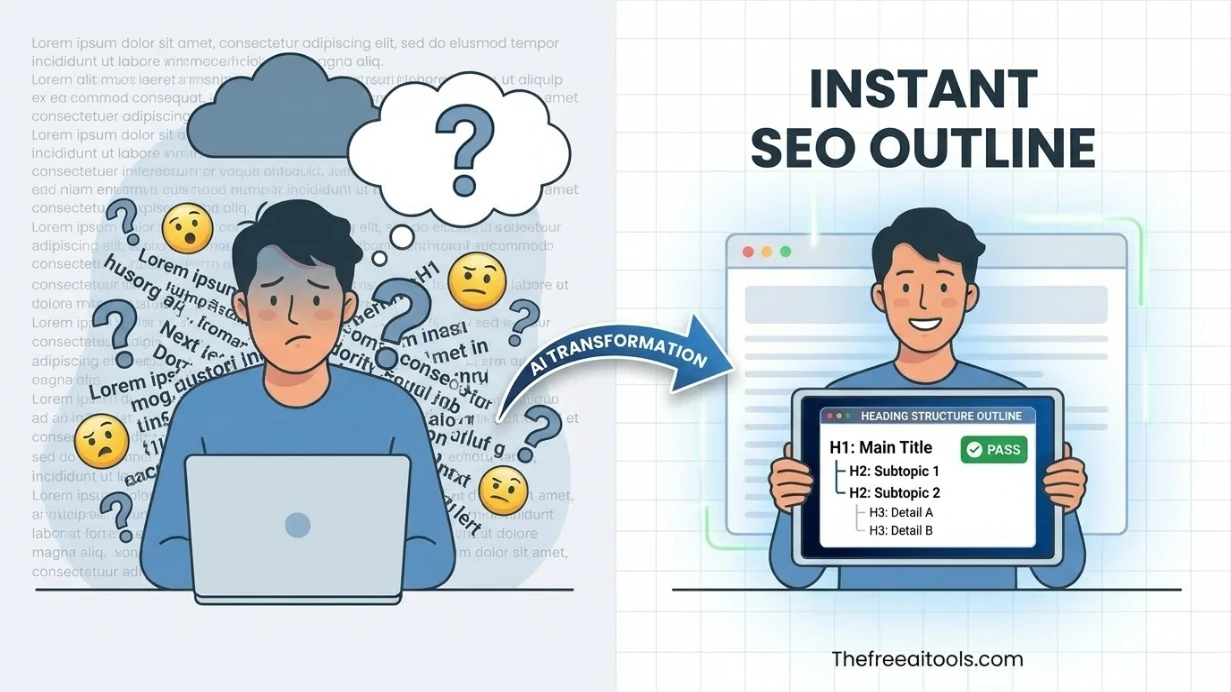
Audit pasted HTML for heading order, skipped levels, and document outline clarity — accessibility and SEO check.
Turn pasted URL and link-export data into a visual internal-link graph to spot orphaned pages, weak clusters, and overlinked nodes. It helps SEO teams plan site structure without sending crawl exports to an outside tool.

Generate XML sitemaps from a list of URLs — set priorities, change frequencies, and download instantly.

Create robots.txt files for your website — control search engine crawlers, disallow paths, and set sitemaps.

Create consistent UTM URLs, validate naming conventions, and catch messy campaign tagging before links go live. It helps marketing teams keep analytics cleaner across channels and stakeholders.
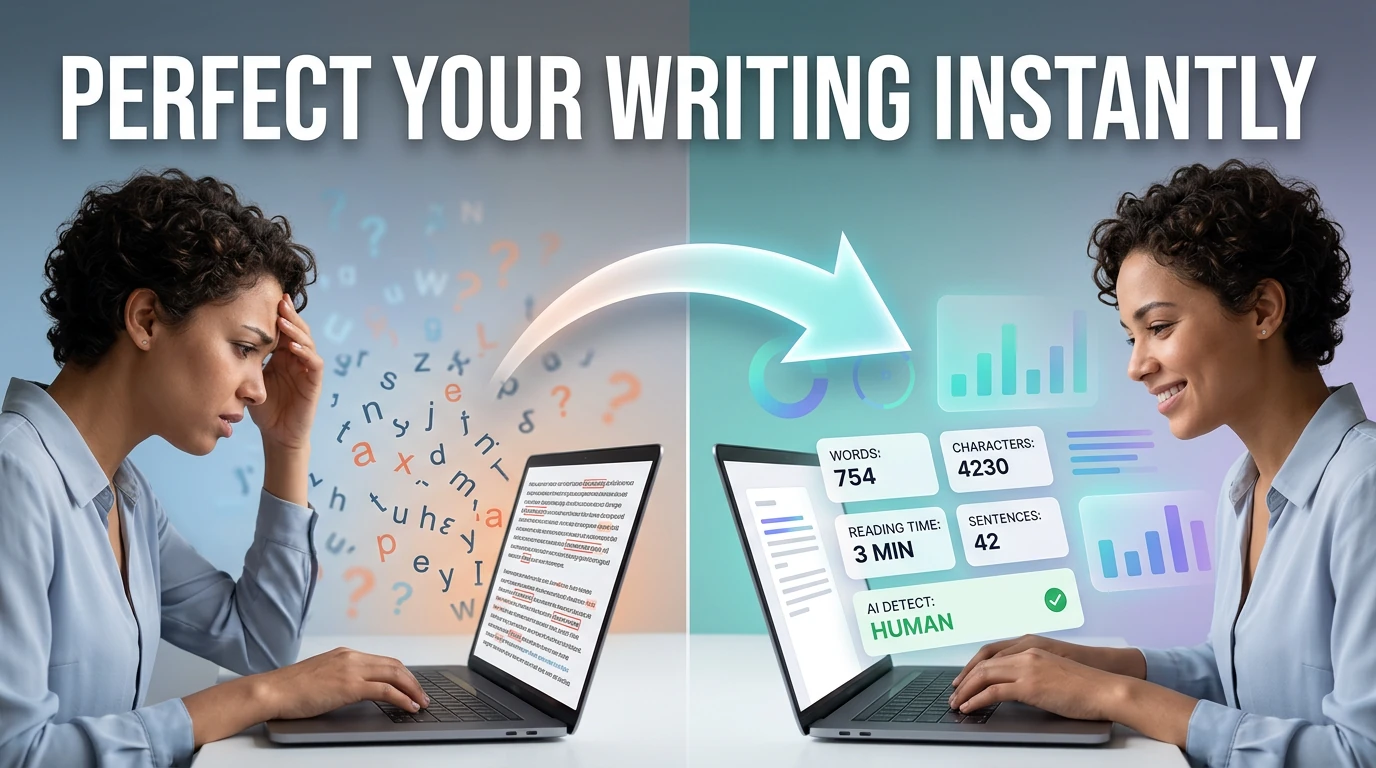
Count words, characters, sentences, and estimate reading time — with keyword density analysis.
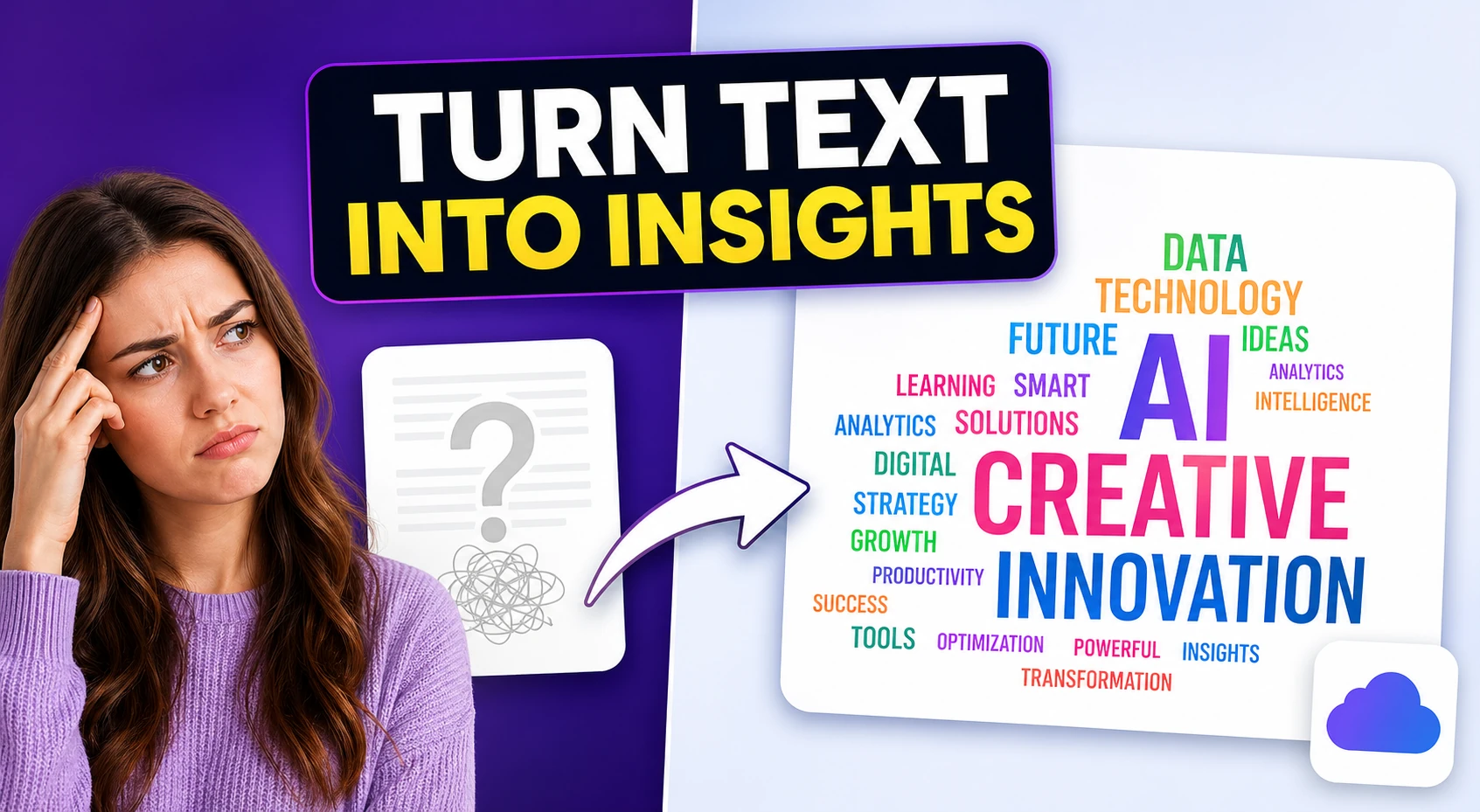
Create a visual SVG word cloud from any text input — great for content analysis, presentations, and data visualization.

Compress and optimize images with adjustable quality and live preview — reduce file size for faster web performance.
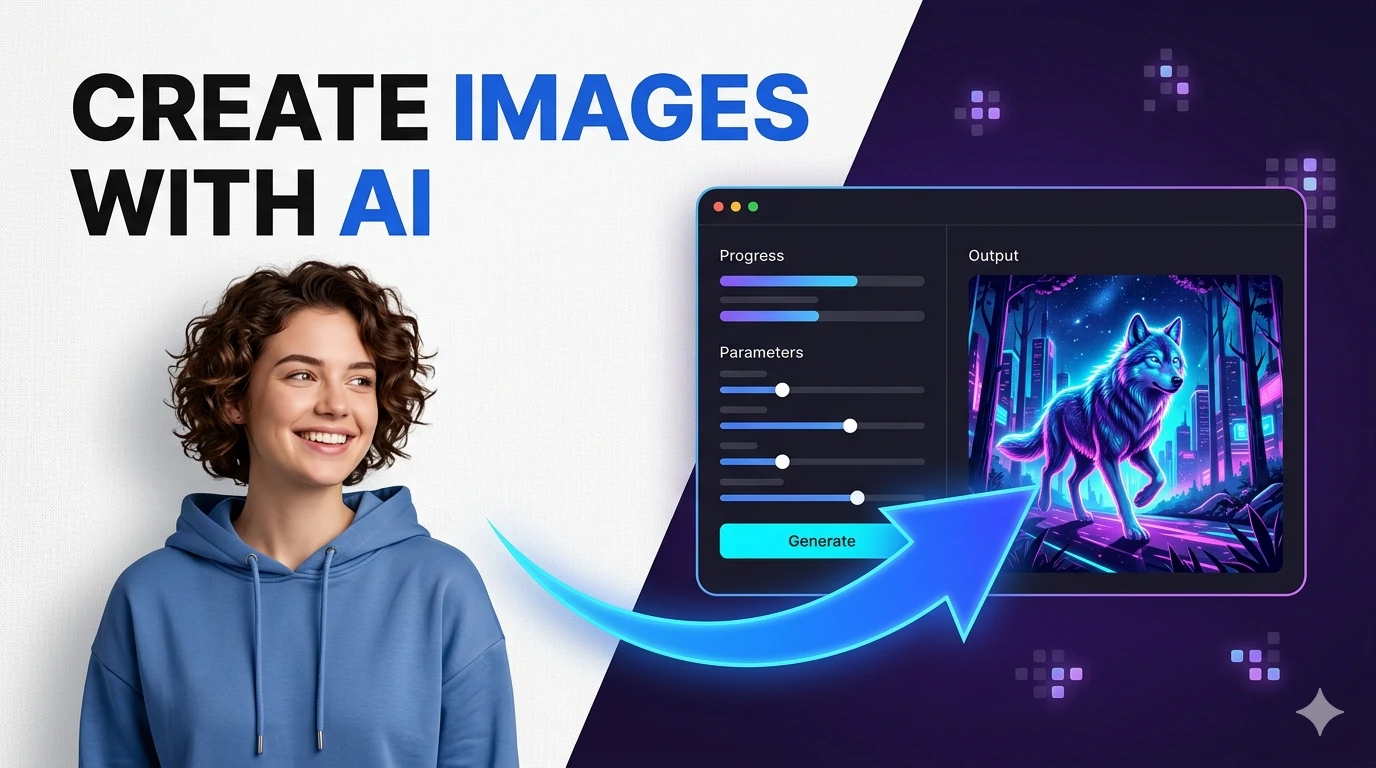
Create images from text prompts using a free AI model — generate visuals for any idea without cost.
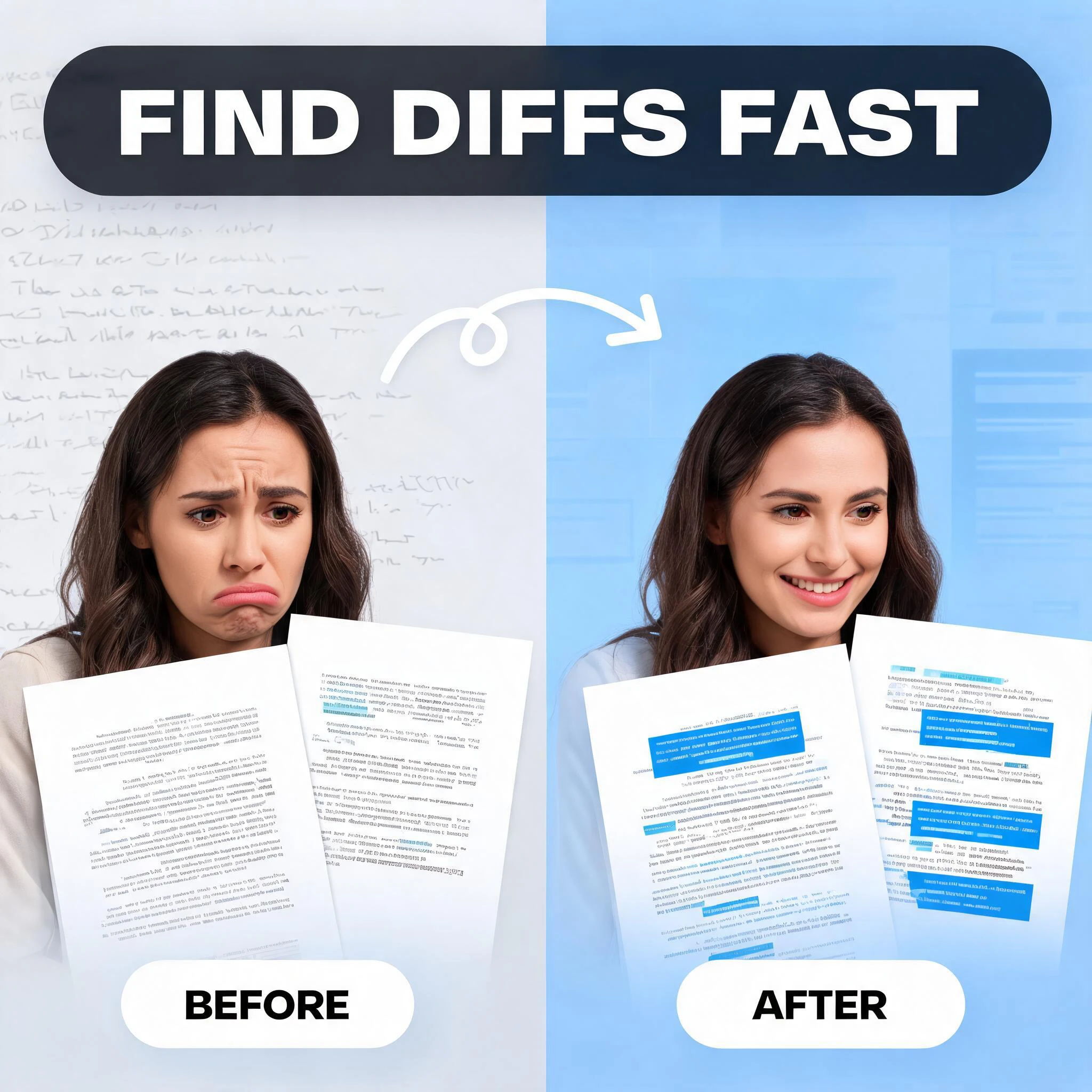
Compare two blocks of text and highlight additions and removals — visualize code and content changes instantly.

Check a list of URLs and mark timeout or fetch failures — find and fix 404 errors on your website.
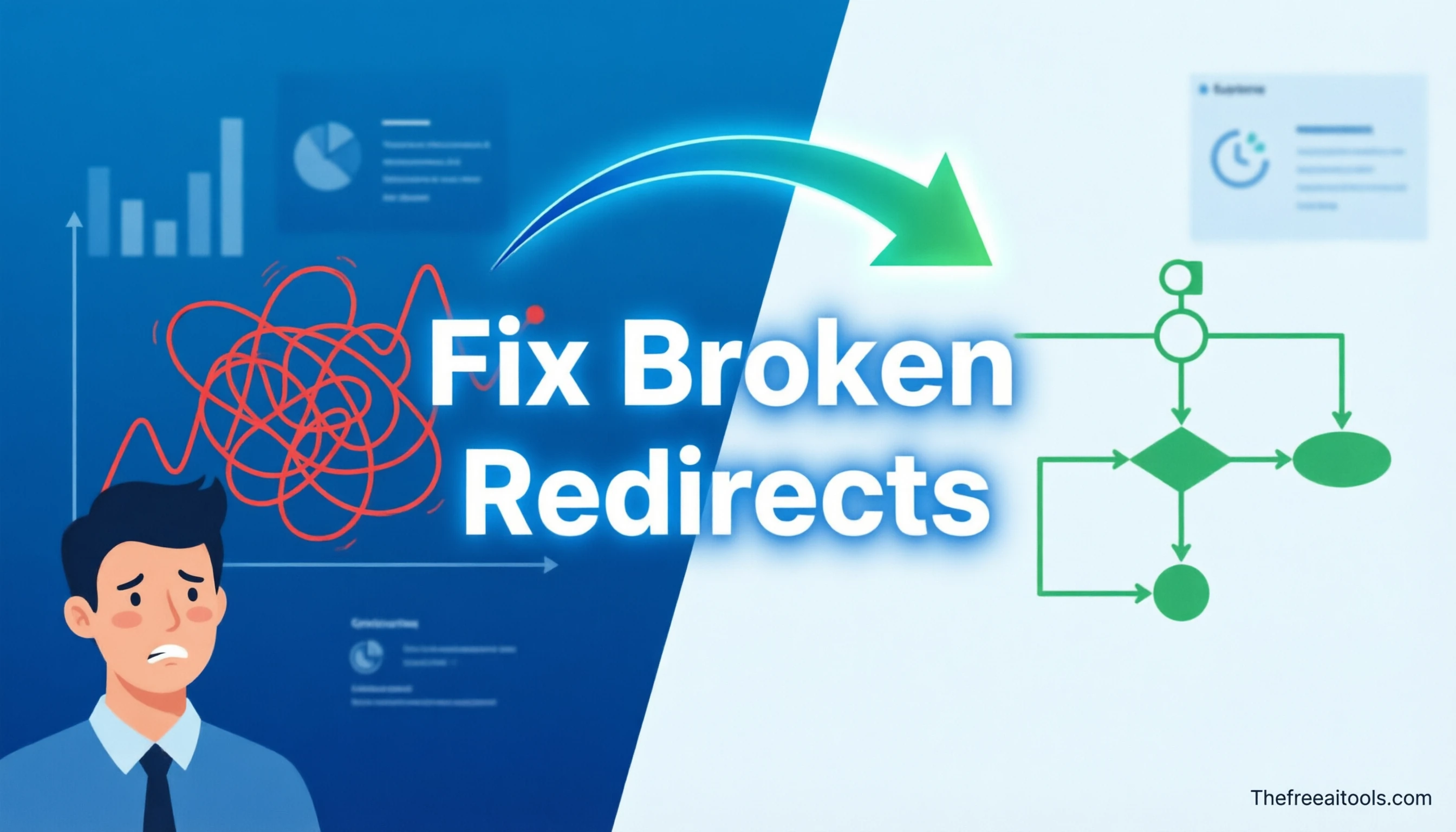
Visualize redirect chains from pasted crawl exports, response logs, or manually entered hops so teams can trim unnecessary redirects. This is useful during migrations, replatforms, and large-scale URL cleanup projects.
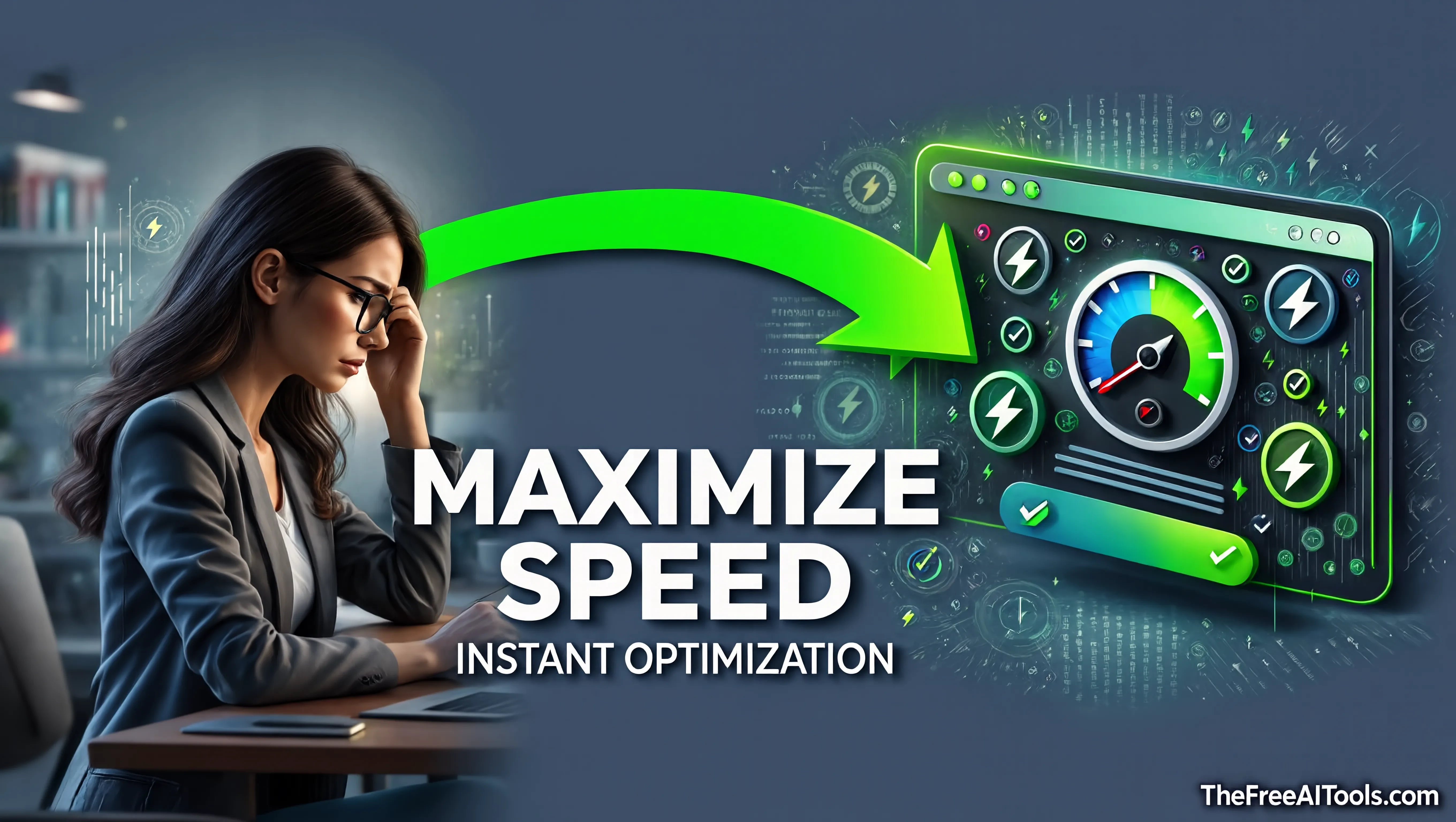
Estimate performance bottlenecks and Core Web Vitals from page metrics — lightweight Lighthouse simulator.
Content marketing and SEO have fully converged in 2026. The separation between 'writing content' and 'optimizing for search' that defined the industry in 2015-2020 is no longer viable in a competitive landscape where every piece of published content competes against AI-assisted alternatives from thousands of producers. The question is no longer whether to combine content marketing and SEO — it is whether your AI-assisted content workflow produces output that meets both audience quality standards and technical ranking requirements simultaneously. The tools in this hub are designed for exactly that combined standard.
The content marketing funnel maps directly onto the tools in this hub. Top-of-funnel content — educational articles, thought leadership, and problem-awareness pieces — benefits from the AI story generator, readability optimizer, and keyword density checker, which together produce content that ranks for informational queries and earns organic discovery. Middle-of-funnel content — comparison pages, feature explanations, and use case studies — benefits from the AI paraphrasing tool for variation, the schema markup builder for FAQ and HowTo rich results, and the SERP snippet preview for click optimization. Bottom-of-funnel content — landing pages, product descriptions, and CTA-driven assets — benefits from the heading structure analyzer, the AI humanizer for conversion copy naturalness, and the UTM builder for attribution tracking.
Distribution optimization is the content marketing step that most AI workflow guides omit. Writing and optimizing content produces ranking potential — but that potential is only realized when distribution channels are technically configured to maximize click-through. Open Graph tags control how content appears when shared on social platforms. Twitter Card tags control how it displays on X. UTM parameters attribute traffic from every distribution channel correctly in analytics. The tools in this hub cover all of these distribution technical requirements — checking Open Graph configuration, validating Twitter Cards, and building correctly formatted UTM strings — closing the gap between content production and distribution execution.
Content marketing ROI in 2026 is measured in organic traffic compounding over time, not immediate conversions from individual pieces. The highest-ROI content marketing investments are those that rank consistently for their target queries, earn backlinks from relevant sources, and convert visitors who discover them through search. Technical SEO correctness — metadata quality, canonical accuracy, structured data completeness, page speed — is the foundation on which all of this compounding is built. A piece of content that ranks on page two earns 10x less traffic than the same content on page one. Moving from position eight to position three by fixing technical SEO issues produces more revenue than publishing five additional articles on top of a technically broken page.
Quick answers about the workflow, privacy, and where this tool fits in a broader job.
AI content tools and SEO tools work in a production loop: AI generates content at speed, SEO tools validate that the content meets technical ranking requirements, and the AI humanizer ensures the output reads naturally for both Google's quality evaluators and human audiences. Neither discipline delivers maximum results without the other.
The complete free workflow is: brief with AI prompt generator → draft with AI story generator or paraphraser → optimize keyword density → check readability → humanize with text humanizer → verify with AI detector → generate metadata with meta tag tool → preview SERP snippet → validate schema markup → check Open Graph → add UTM tracking → compress images → publish.
The AI tools in this hub generate blog articles, product descriptions, landing page copy, email subject lines, social media captions, ad headlines, meta descriptions, FAQ content, story outlines, and prompt templates — covering the complete content marketing asset library for most businesses.
AI-assisted content that is technically optimized, humanized, and genuinely informative ranks well. AI content that is thin, generic, or obviously machine-generated does not. The tools in this hub provide the quality control layer — keyword density, readability, humanization, AI detection — that separates ranking AI content from penalized AI content.
Yes. A solo content marketer using the AI writing, SEO, and image tools in this hub can produce the content volume and technical quality that previously required a team of three to five people. The constraint shifts from production capacity to strategy and distribution — which is where human time is best invested.
The complete toolkit
Every tool runs instantly in your browser — no account, no download, no cost. Across 13 categories for everyday tasks.