
Meta Tags Generator
Generate SEO-friendly meta tags including Open Graph, Twitter Card, and canonical tags — copy-ready HTML with live preview.
This hub covers free AI-powered SEO tools for metadata generation, content optimization, keyword research, technical SEO, and AI-driven search strategy in 2026.
Updated · Reviewed by The Free AI Tools Editorial Team — SEO and AI content tools review
Generate SEO-friendly meta tags including Open Graph, Twitter Card, and canonical tags — copy-ready HTML with live preview.

Preview title tags, URLs, and meta descriptions in a Google-style search result layout — SEO snippet tool.
Turn page titles into clean, readable, SEO-friendly URL slugs — remove stop words and special characters.

Paraphrase and rewrite text using AI to sound natural, improve clarity, and bypass AI content detectors.

Turn simple ideas into highly detailed, optimized prompts for Midjourney, ChatGPT, Stable Diffusion, Claude, and DALL-E using AI.

Create canonical link tags for pages, product variants, and paginated URLs — prevent duplicate content issues.

Create robots.txt files for your website — control search engine crawlers, disallow paths, and set sitemaps.

Generate XML sitemaps from a list of URLs — set priorities, change frequencies, and download instantly.
Analyze repeated phrases and top keywords inside any text block — optimize content for search rankings.

Estimate Flesch-Kincaid readability and sentence complexity from text — optimize content grade level instantly.

Preview how Open Graph titles, descriptions, and images appear when shared on social media — OG tag tester.

Validate Twitter Card meta tags and preview card-style output — test X/Twitter link sharing appearance.

Generate valid JSON-LD for articles, organizations, products, FAQs, and local businesses with instant preview and rule checks. It helps SEO teams ship structured data faster without copy-pasting uncertain snippets.

Create consistent UTM URLs, validate naming conventions, and catch messy campaign tagging before links go live. It helps marketing teams keep analytics cleaner across channels and stakeholders.

Generate hreflang link tags for multilingual and multi-region sites — correct international SEO targeting.
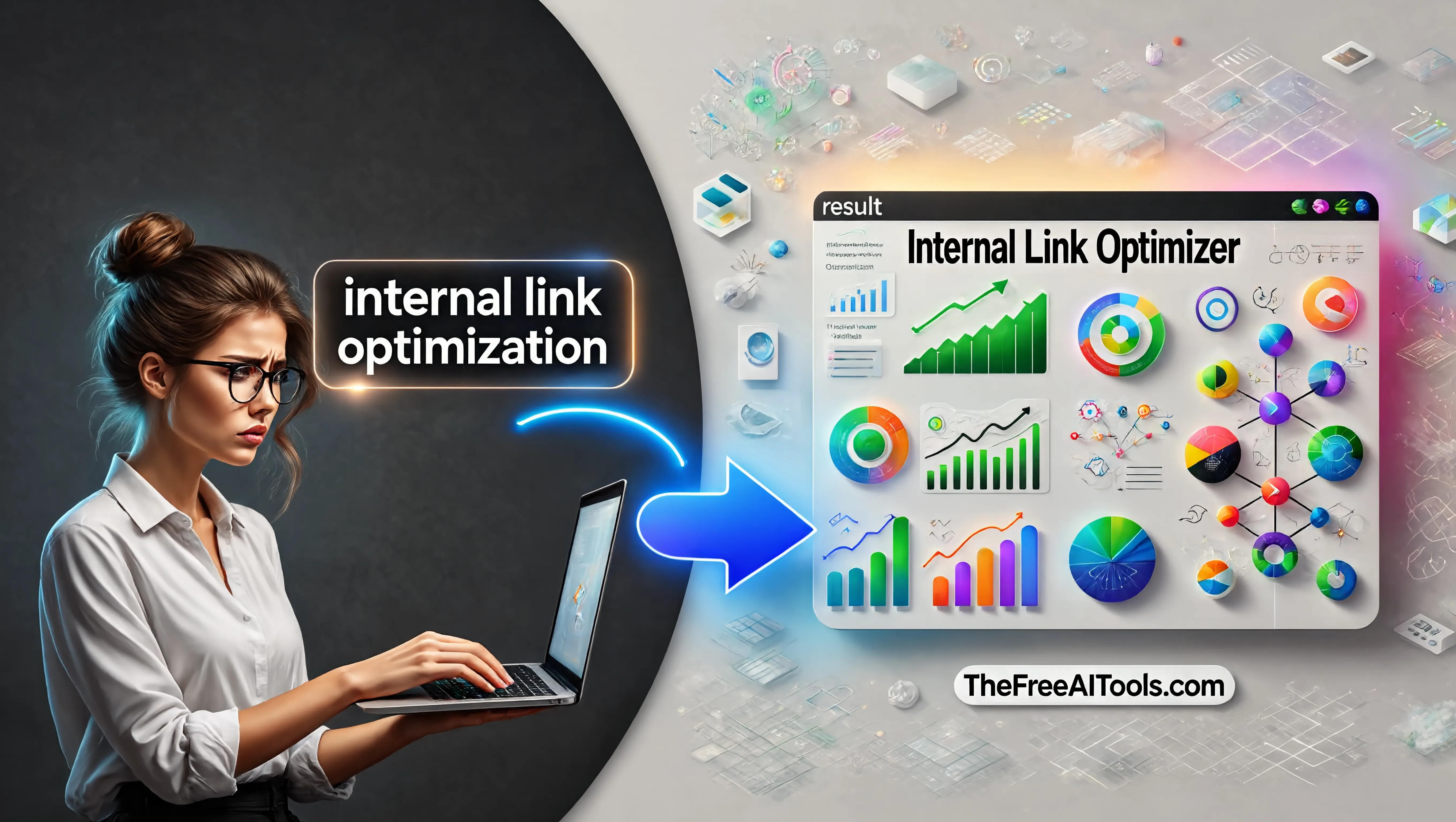
Turn pasted URL and link-export data into a visual internal-link graph to spot orphaned pages, weak clusters, and overlinked nodes. It helps SEO teams plan site structure without sending crawl exports to an outside tool.

Review meta descriptions for character length and snippet-friendly ranges — bulk SEO meta audit tool.

Visualize redirect chains from pasted crawl exports, response logs, or manually entered hops so teams can trim unnecessary redirects. This is useful during migrations, replatforms, and large-scale URL cleanup projects.

Check a list of URLs and mark timeout or fetch failures — find and fix 404 errors on your website.

Assign sitemap priorities and change frequencies to a URL inventory — generate XML sitemap attributes.

Estimate performance bottlenecks and Core Web Vitals from page metrics — lightweight Lighthouse simulator.

Inspect pasted HTML for title, description, canonical, and social tags — audit any page's SEO meta structure.

Extract a color palette from pasted CSS or HTML color values — build brand color systems instantly.

Clean and humanize AI-generated text to sound natural and help bypass AI detectors — powered by AI.
AI has fundamentally changed the economics of SEO content production in 2026. What previously required a team of writers to produce a hundred optimized pages now requires significantly fewer people with AI-assisted workflows.
Technical SEO remains the foundation on which all content performance depends. No AI writing tool compensates for missing canonical tags, blocking robots rules, incorrect metadata, or incomplete sitemaps.
AI-assisted metadata generation is one of the highest-ROI applications of AI for SEO in 2026. Writing a compelling, keyword-optimized title tag and meta description for every page is time-consuming at scale and often deprioritized.
Slug optimization is another high-impact technical SEO area where AI helps in 2026. A slug that reflects the primary keyword, avoids stop words, and stays concise performs better than an auto-generated URL.
Quick answers about the workflow, privacy, and where this tool fits in a broader job.
AI tools improve SEO by accelerating metadata creation, optimizing title and description length, generating structured content outlines, suggesting slug formats, and identifying technical issues faster than manual review.
Search engines evaluate content quality, expertise, and relevance regardless of whether it was AI-assisted. Well-structured, accurate, and user-focused AI-assisted content can rank well. Generic, thin, or templated AI content typically does not.
Meta tag generation is the highest-impact starting point for small sites because correct title tags and descriptions directly affect click-through rates from search results.
Yes. The most effective 2026 SEO workflow combines AI content generation with technical SEO checks: draft with AI, optimize metadata, check snippet preview, validate canonical, generate sitemap.
The complete toolkit
Every tool runs instantly in your browser — no account, no download, no cost. Across 13 categories for everyday tasks.