
AI Paraphrasing Tool
Paraphrase and rewrite text using AI to sound natural, improve clarity, and bypass AI content detectors.
This hub gathers the best free AI-powered tools specifically built for SEO content creation in — combining AI writing assistance with technical SEO validation to produce content that ranks — all browser-based, zero signup.
Updated · Reviewed by The Free AI Tools Editorial Team — AI SEO content production and optimization review
Paraphrase and rewrite text using AI to sound natural, improve clarity, and bypass AI content detectors.
Clean and humanize AI-generated text to sound natural and help bypass AI detectors — powered by AI.
Detect robotic writing patterns and rewrite AI-generated text into a more natural, human-sounding draft — runs entirely in your browser.

Analyze text and estimate the likelihood it was generated by AI — detects ChatGPT, Claude, Gemini, and more using AI.
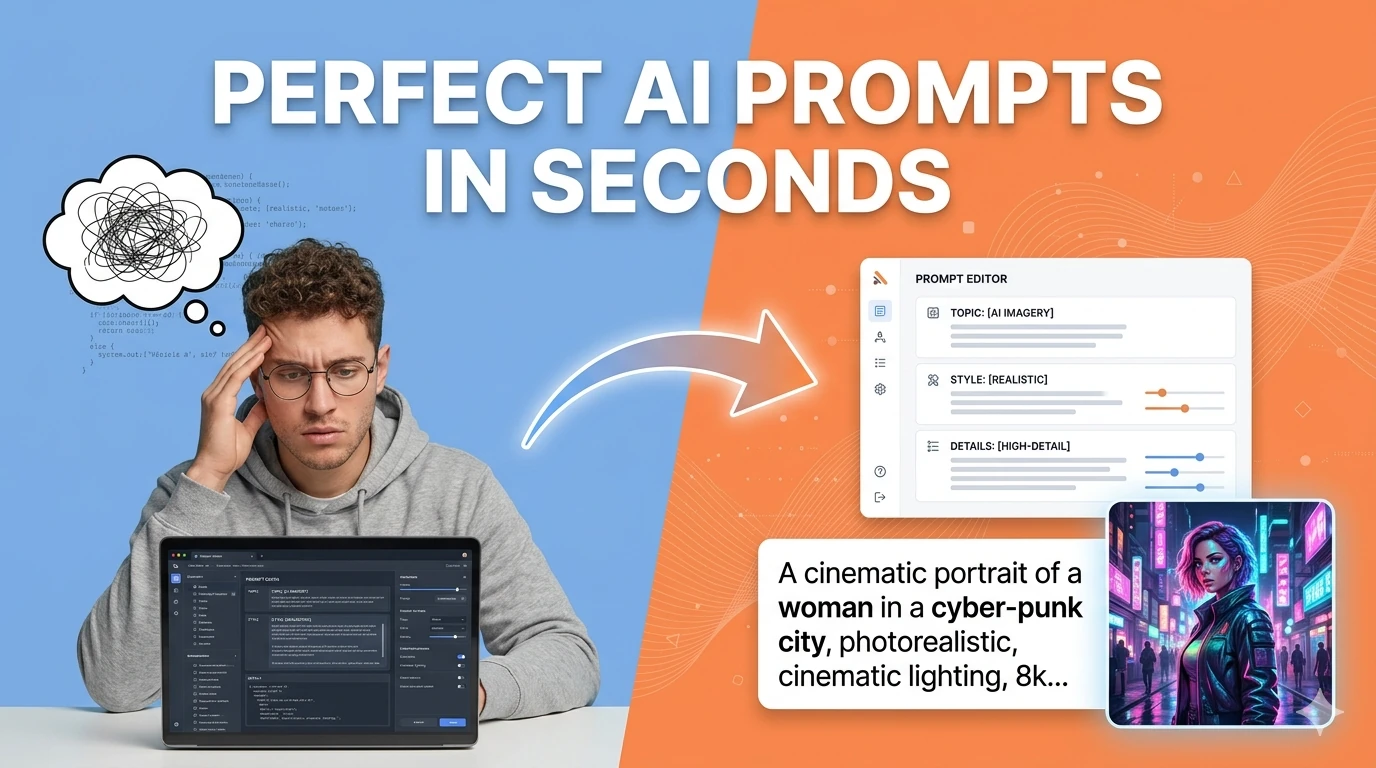
Turn simple ideas into highly detailed, optimized prompts for Midjourney, ChatGPT, Stable Diffusion, Claude, and DALL-E using AI.
Generate captivating short stories, novel chapters, and fanfiction using AI — choose genre and let AI write the rest.

Generate SEO-friendly meta tags including Open Graph, Twitter Card, and canonical tags — copy-ready HTML with live preview.

Preview title tags, URLs, and meta descriptions in a Google-style search result layout — SEO snippet tool.
Analyze repeated phrases and top keywords inside any text block — optimize content for search rankings.

Estimate Flesch-Kincaid readability and sentence complexity from text — optimize content grade level instantly.
Turn page titles into clean, readable, SEO-friendly URL slugs — remove stop words and special characters.

Review meta descriptions for character length and snippet-friendly ranges — bulk SEO meta audit tool.

Generate valid JSON-LD for articles, organizations, products, FAQs, and local businesses with instant preview and rule checks. It helps SEO teams ship structured data faster without copy-pasting uncertain snippets.
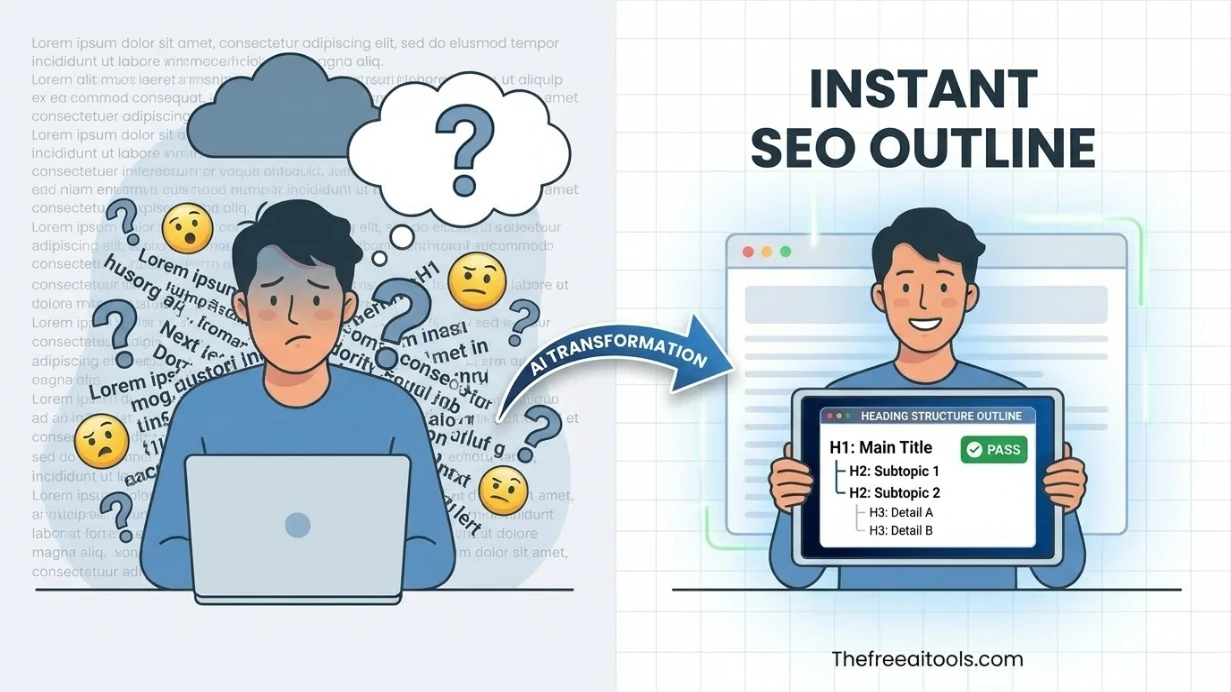
Audit pasted HTML for heading order, skipped levels, and document outline clarity — accessibility and SEO check.
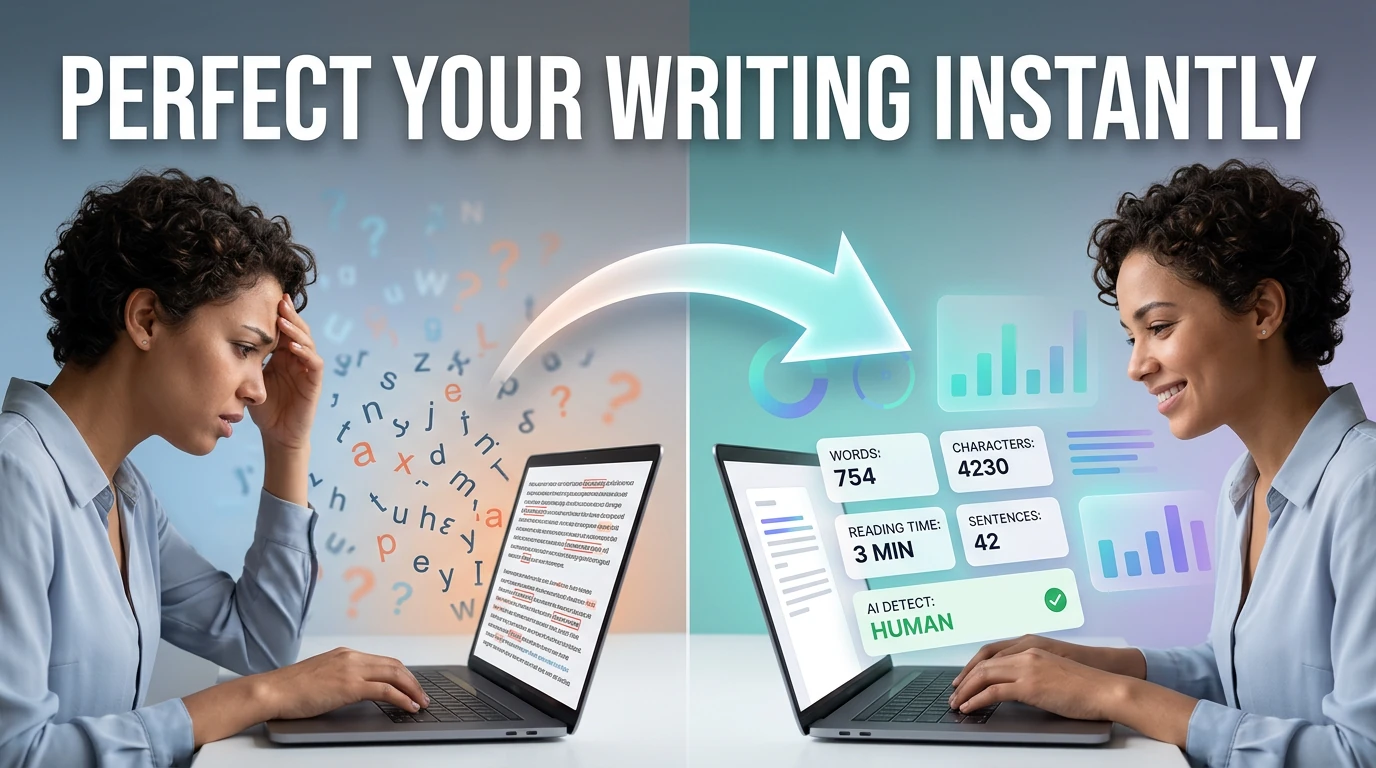
Count words, characters, sentences, and estimate reading time — with keyword density analysis.

Preview how Open Graph titles, descriptions, and images appear when shared on social media — OG tag tester.

Turn pasted URL and link-export data into a visual internal-link graph to spot orphaned pages, weak clusters, and overlinked nodes. It helps SEO teams plan site structure without sending crawl exports to an outside tool.

Create a visual SVG word cloud from any text input — great for content analysis, presentations, and data visualization.

Generate XML sitemaps from a list of URLs — set priorities, change frequencies, and download instantly.

Create canonical link tags for pages, product variants, and paginated URLs — prevent duplicate content issues.

Create consistent UTM URLs, validate naming conventions, and catch messy campaign tagging before links go live. It helps marketing teams keep analytics cleaner across channels and stakeholders.

Convert plain text to formatted PDF documents with customizable page size — free, no software required.

Generate Word documents (.docx) from plain text instantly — download ready-to-share documents in seconds.
Compare two blocks of text and highlight additions and removals — visualize code and content changes instantly.
AI SEO content production in 2026 has created a paradox: AI makes it faster than ever to produce large volumes of optimized content, and simultaneously harder than ever to rank with low-quality AI output because Google has significantly improved its ability to evaluate content expertise and authenticity. The resolution to this paradox is a disciplined workflow that uses AI for speed and structure while applying human expertise and technical SEO validation at every quality gate. The tools in this hub are the quality gates in that workflow.
The most effective AI SEO content workflows treat AI generation and technical optimization as inseparable steps. Generating a draft without immediately checking keyword density, readability, and metadata produces content that may read well but fails technical SEO requirements. The tools in this hub are designed to be used in sequence: generate, paraphrase, humanize, optimize. Each tool addresses a specific quality dimension — linguistic naturalness, keyword distribution, metadata compliance — that together determine whether a piece of AI-assisted content earns rankings.
Schema markup is the technical SEO layer most often neglected in AI content production workflows. An AI tool can generate 2,000 words of well-optimized content in minutes, but the article will never earn FAQ rich results, How-to snippets, or breadcrumb displays in the SERP unless correct JSON-LD schema is implemented alongside the content. The schema markup builder on this hub generates the specific schema types most relevant to AI-produced content — Article, FAQPage, HowTo, BreadcrumbList — in under two minutes per page.
The humanization step is not optional in 2026 AI SEO workflows — it is the difference between content that ranks and content that gets flagged. Google's quality evaluators increasingly penalize content with AI writing fingerprints: overly formal register, flat sentence rhythm, predictable transitional phrases, and lack of personal authority signals. Running AI drafts through the text humanizer and paraphrasing tool before publication removes these markers, while the AI detector provides a quantitative quality check that confirms the content score is below detection thresholds before it goes live.
Quick answers about the workflow, privacy, and where this tool fits in a broader job.
AI tools improve SEO content quality by accelerating draft production, generating metadata at scale, paraphrasing content to avoid duplicate patterns, humanizing AI output to reduce detection scores, and optimizing readability — all while the human writer focuses on unique insights and expertise signals that Google rewards.
The AI paraphrasing tool combined with the meta description length checker produces the most effective workflow: draft a description, paraphrase for keyword variation and natural phrasing, then verify it fits within Google's 155-character display limit.
Yes — AI-assisted content ranks well when it demonstrates topical expertise, passes readability standards, has correct technical metadata, and has been humanized to read naturally. Thin, generic AI content does not rank regardless of technical correctness.
AI SEO tools accelerate the structural and technical aspects of content — metadata, outline, paraphrasing, optimization checks — while a human writer provides the expertise, experience, and unique perspective that Google's quality evaluators look for. The best results combine both.
Generate with AI prompt tool → paraphrase for variation → humanize to remove AI patterns → check keyword density → verify readability score → generate metadata → preview SERP snippet → validate schema → check Open Graph → publish.
The complete toolkit
Every tool runs instantly in your browser — no account, no download, no cost. Across 13 categories for everyday tasks.