Schema Markup Builder & Validator
Generate valid JSON-LD for articles, organizations, products, FAQs, and local businesses with instant preview and rule checks. It helps SEO teams ship structured data faster without copy-pasting uncertain snippets.
This hub collects the best free browser-based SEO tools for SaaS founders, growth teams, and developers in — covering technical SEO, content optimization, metadata generation, structured data, campaign tracking, and AI-assisted copy — all zero signup, no per-seat fees.
Updated · Reviewed by The Free AI Tools Editorial Team — SaaS growth, SEO, and content tools review
Generate valid JSON-LD for articles, organizations, products, FAQs, and local businesses with instant preview and rule checks. It helps SEO teams ship structured data faster without copy-pasting uncertain snippets.

Generate SEO-friendly meta tags including Open Graph, Twitter Card, and canonical tags — copy-ready HTML with live preview.

Preview title tags, URLs, and meta descriptions in a Google-style search result layout — SEO snippet tool.
Turn page titles into clean, readable, SEO-friendly URL slugs — remove stop words and special characters.

Create canonical link tags for pages, product variants, and paginated URLs — prevent duplicate content issues.
Create robots.txt files for your website — control search engine crawlers, disallow paths, and set sitemaps.

Generate XML sitemaps from a list of URLs — set priorities, change frequencies, and download instantly.

Create consistent UTM URLs, validate naming conventions, and catch messy campaign tagging before links go live. It helps marketing teams keep analytics cleaner across channels and stakeholders.
Analyze repeated phrases and top keywords inside any text block — optimize content for search rankings.

Estimate Flesch-Kincaid readability and sentence complexity from text — optimize content grade level instantly.
Review meta descriptions for character length and snippet-friendly ranges — bulk SEO meta audit tool.

Preview how Open Graph titles, descriptions, and images appear when shared on social media — OG tag tester.

Validate Twitter Card meta tags and preview card-style output — test X/Twitter link sharing appearance.
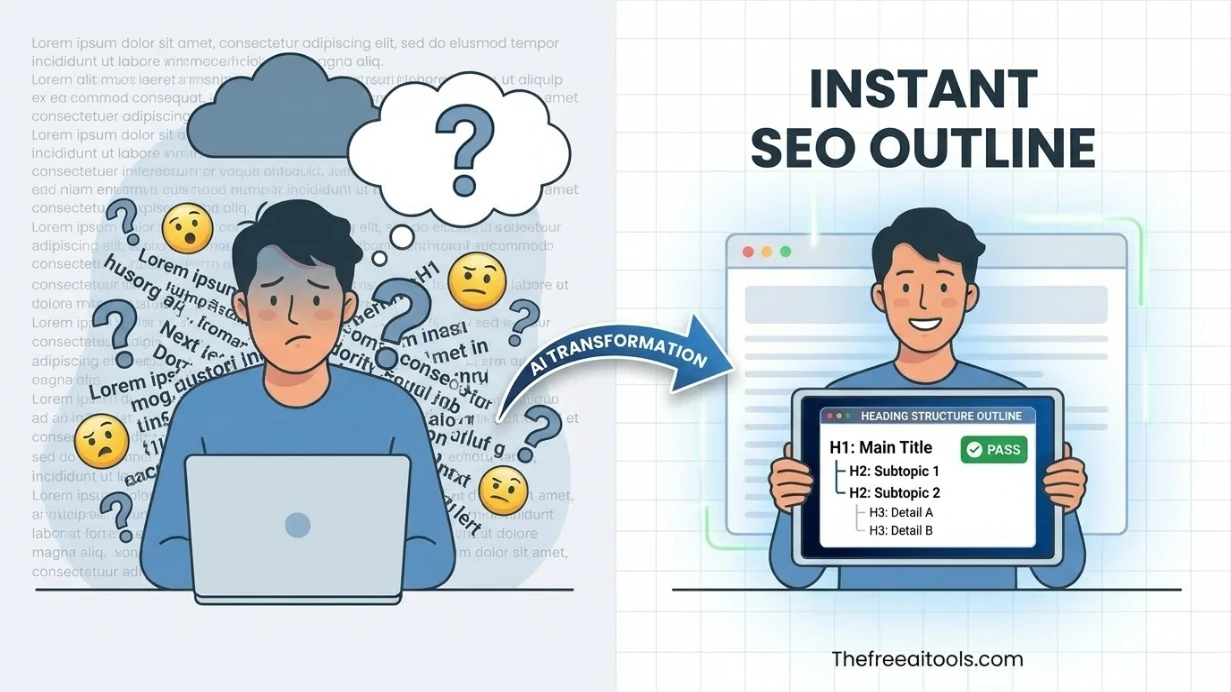
Audit pasted HTML for heading order, skipped levels, and document outline clarity — accessibility and SEO check.
Turn pasted URL and link-export data into a visual internal-link graph to spot orphaned pages, weak clusters, and overlinked nodes. It helps SEO teams plan site structure without sending crawl exports to an outside tool.
Estimate performance bottlenecks and Core Web Vitals from page metrics — lightweight Lighthouse simulator.
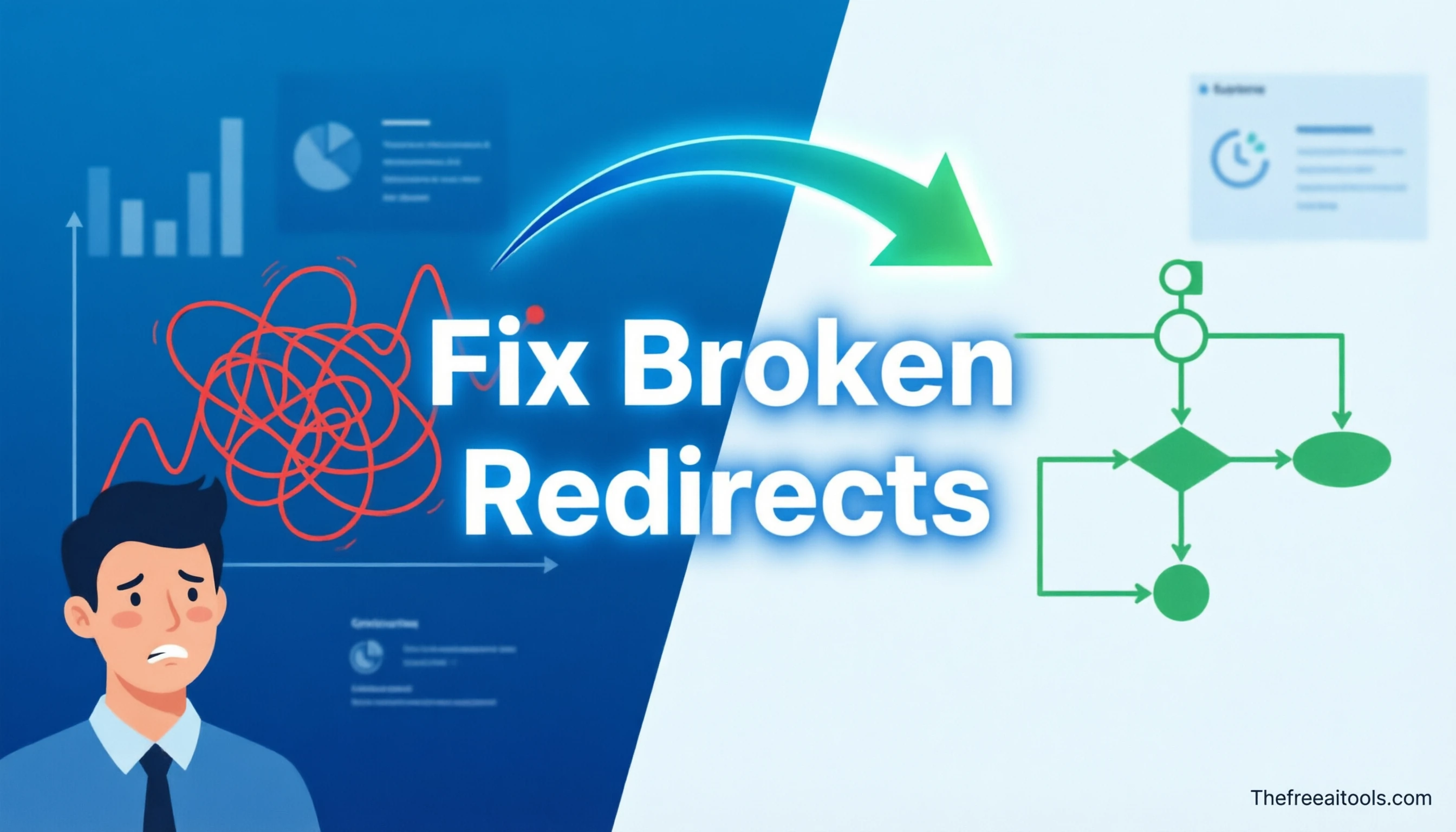
Visualize redirect chains from pasted crawl exports, response logs, or manually entered hops so teams can trim unnecessary redirects. This is useful during migrations, replatforms, and large-scale URL cleanup projects.

Check a list of URLs and mark timeout or fetch failures — find and fix 404 errors on your website.

Generate hreflang link tags for multilingual and multi-region sites — correct international SEO targeting.

Paraphrase and rewrite text using AI to sound natural, improve clarity, and bypass AI content detectors.
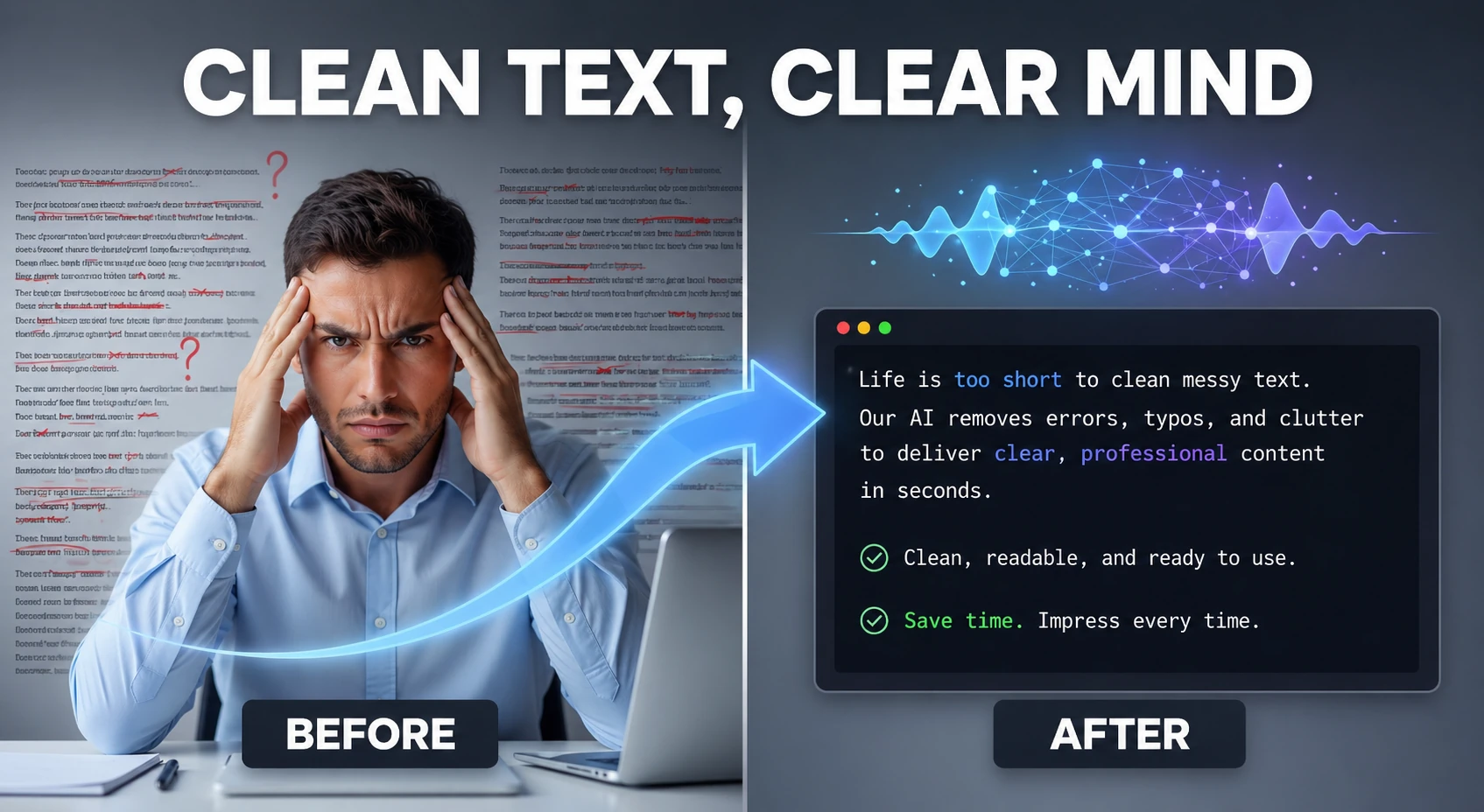
Clean and humanize AI-generated text to sound natural and help bypass AI detectors — powered by AI.
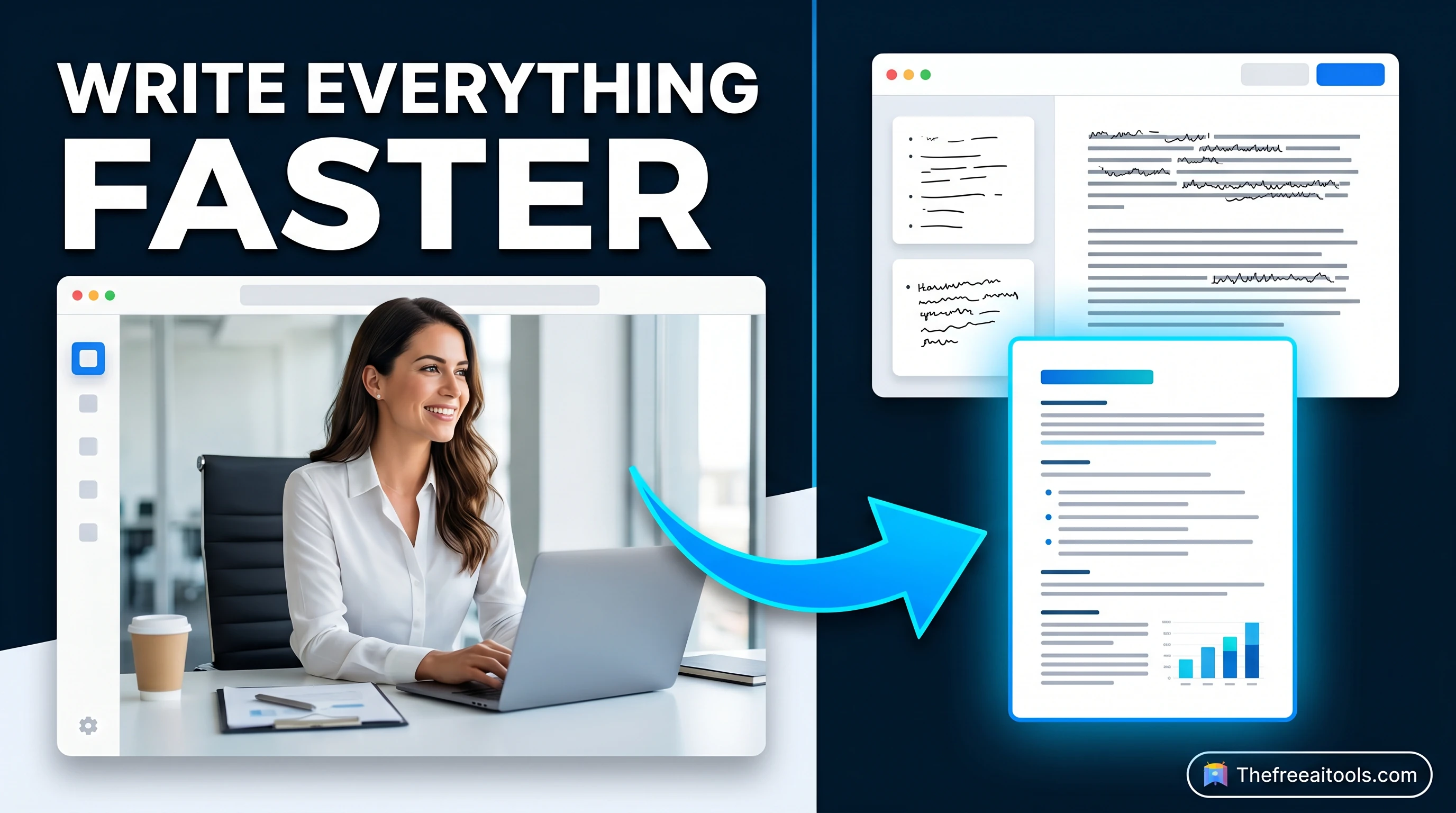
Detect robotic writing patterns and rewrite AI-generated text into a more natural, human-sounding draft — runs entirely in your browser.

Analyze text and estimate the likelihood it was generated by AI — detects ChatGPT, Claude, Gemini, and more using AI.

Turn simple ideas into highly detailed, optimized prompts for Midjourney, ChatGPT, Stable Diffusion, Claude, and DALL-E using AI.

Count words, characters, sentences, and estimate reading time — with keyword density analysis.

Model SaaS pricing tiers, gross margin, payback period, and annual recurring revenue from your own assumptions. It helps operators and growth teams reason about pricing without handing numbers to external calculators.
SaaS SEO in 2026 is the growth channel with the highest compounding return for product-led companies. Unlike paid acquisition where traffic stops when spend stops, organic search builds domain authority and topical relevance that generate leads and trials years after the content was published. The technical foundation of SaaS SEO — clean crawl configuration, correct schema markup, unique metadata per page, fast page speed, and accurate sitemaps — determines whether all the content and link building investment actually translates into rankings. The free tools in this hub build and maintain that foundation.
Programmatic SEO is the SaaS growth strategy that produces the most organic traffic at scale in 2026. Comparison pages ('Hubspot vs Salesforce'), alternative pages ('Hubspot alternatives'), use case pages ('CRM for real estate agents'), and integration pages ('Connect Slack with Asana') each target specific intent clusters with thousands of monthly searches. Each programmatic page requires correct metadata, appropriate schema markup, accurate canonical tags, and UTM tracking for attribution — all of which the tools on this hub generate in minutes per page rather than hours.
Technical documentation is the SaaS SEO category most underestimated by growth teams. Developer documentation, API reference pages, and integration guides rank for solution-aware, high-intent queries that convert at exceptional rates. A developer searching for 'how to integrate Stripe webhooks' who lands on your documentation is already using or evaluating your product — their conversion probability is dramatically higher than a top-funnel content visitor. Technical documentation pages need the same SEO treatment as marketing pages: unique metadata, schema markup, and correct canonical configuration.
International SaaS expansion creates hreflang implementation requirements that the hreflang generator on this hub addresses directly. SaaS products serving multiple language markets need correctly configured hreflang tags on every page to ensure Google serves the correct language version to each geographic audience. Incorrect hreflang implementation — a common issue on SaaS sites using JavaScript-rendered internationalization — causes Google to serve the wrong language version to international users, suppressing organic traffic in target markets. The hreflang generator produces correct tag sets for all language and region combinations that can be validated before deployment.
Quick answers about the workflow, privacy, and where this tool fits in a broader job.
The highest-ROI SaaS SEO strategies are programmatic content targeting long-tail comparison and alternative keywords, technical documentation that ranks for solution-aware queries, schema markup for Software Application rich results, and UTM-tracked content campaigns that attribute organic traffic to specific SaaS features and use cases.
SoftwareApplication schema is the most relevant structured data type for SaaS products. It communicates application category, operating system, price, and rating to Google in a machine-readable format. FAQPage and HowTo schema are equally important for product documentation and feature pages.
UTM parameters appended to all content marketing links allow SaaS companies to attribute trial signups, demo requests, and conversions to specific blog posts, comparison pages, and feature content pieces in their analytics platform.
SaaS websites typically have app-style URL structures, dynamic content, JavaScript-rendered pricing pages, and multiple product subdomains — all of which create technical SEO complexity. Canonical tags, robots configuration, and sitemap accuracy require ongoing maintenance that the tools on this hub support.
SaaS companies use AI writing tools to produce comparison pages ('Product X vs Product Y'), feature-specific landing pages, and integration documentation at the scale that human writing teams cannot maintain. Pair AI generation with the text humanizer and keyword density checker to produce content that reads naturally and ranks.
The complete toolkit
Every tool runs instantly in your browser — no account, no download, no cost. Across 13 categories for everyday tasks.