AI Paraphrasing Tool
Paraphrase and rewrite text using AI to sound natural, improve clarity, and bypass AI content detectors.
This hub gathers the best free AI-powered tools for generating and optimizing calls to action in — covering CTA copy writing, button text generation, landing page headline optimization, conversion copy improvement, and A/B variation generation — all browser-based with zero signup.
Updated · Reviewed by The Free AI Tools Editorial Team — CTA copywriting and conversion optimization tools review
Paraphrase and rewrite text using AI to sound natural, improve clarity, and bypass AI content detectors.
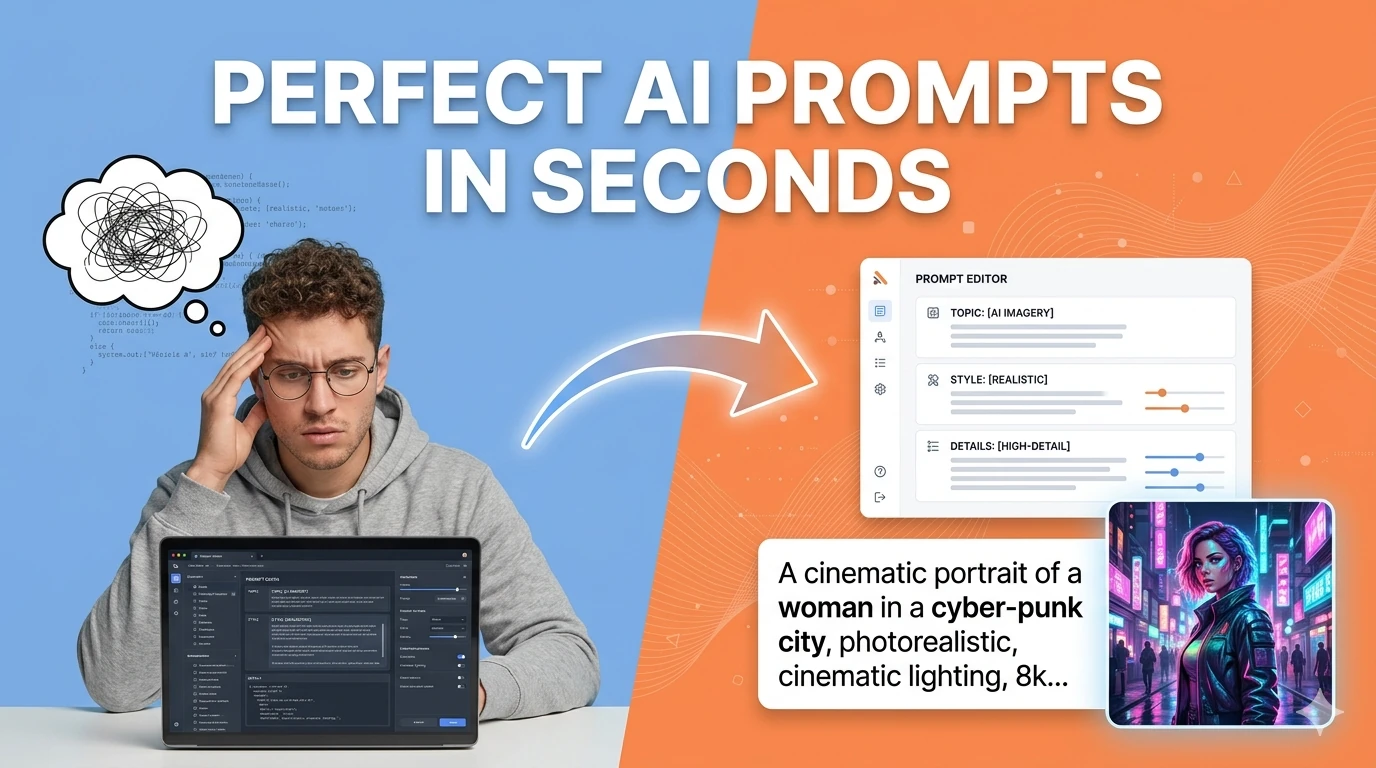
Turn simple ideas into highly detailed, optimized prompts for Midjourney, ChatGPT, Stable Diffusion, Claude, and DALL-E using AI.
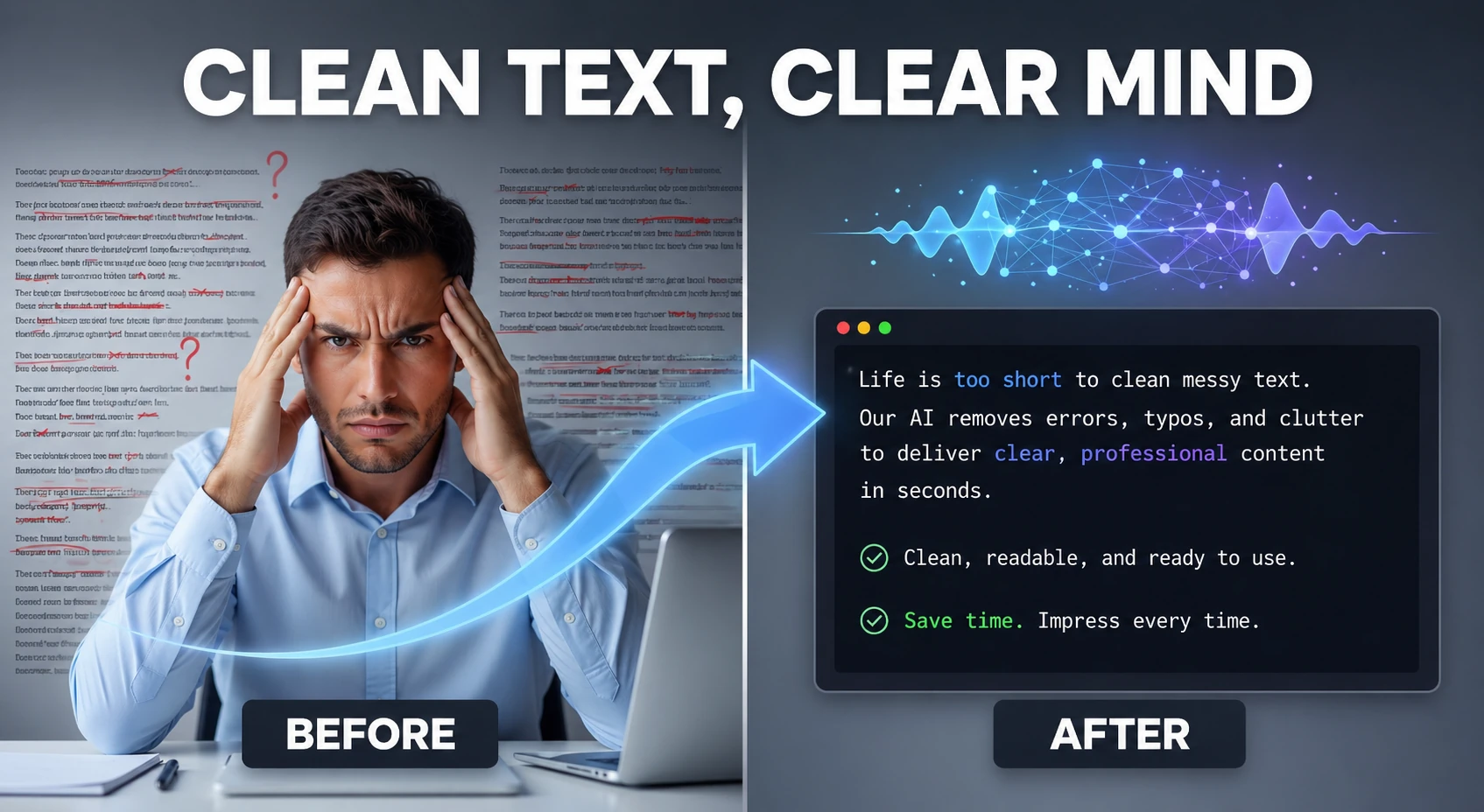
Clean and humanize AI-generated text to sound natural and help bypass AI detectors — powered by AI.
Detect robotic writing patterns and rewrite AI-generated text into a more natural, human-sounding draft — runs entirely in your browser.

Analyze text and estimate the likelihood it was generated by AI — detects ChatGPT, Claude, Gemini, and more using AI.
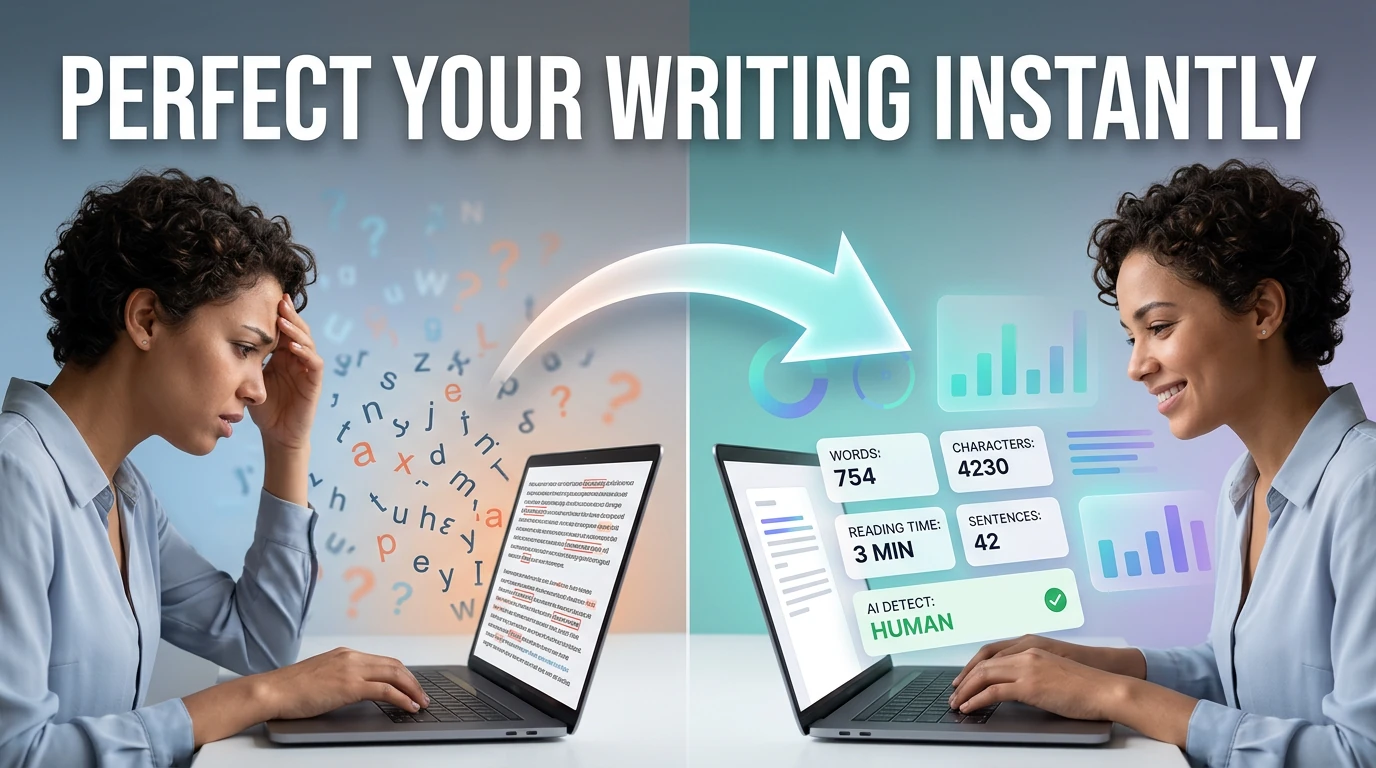
Count words, characters, sentences, and estimate reading time — with keyword density analysis.
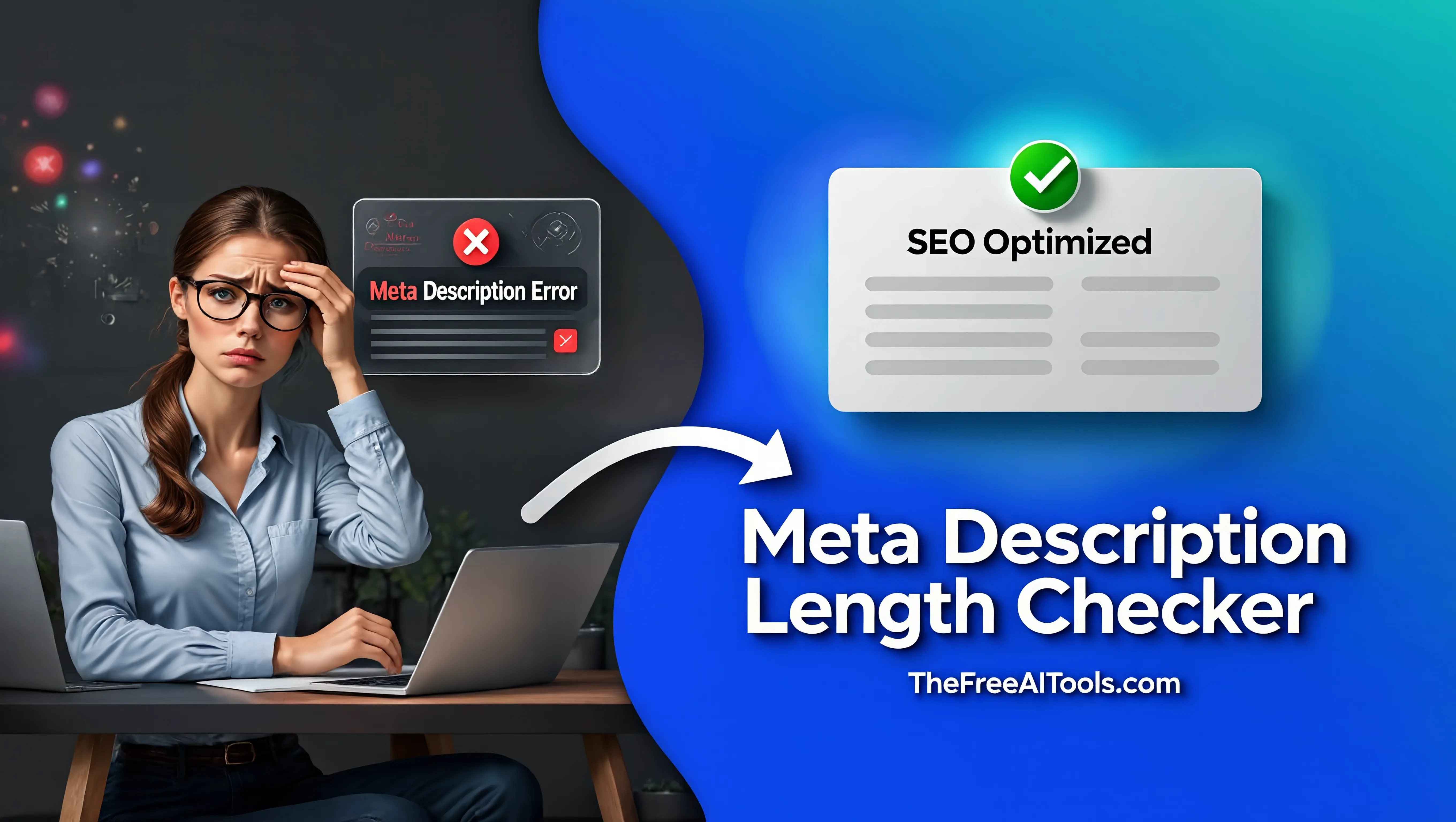
Review meta descriptions for character length and snippet-friendly ranges — bulk SEO meta audit tool.
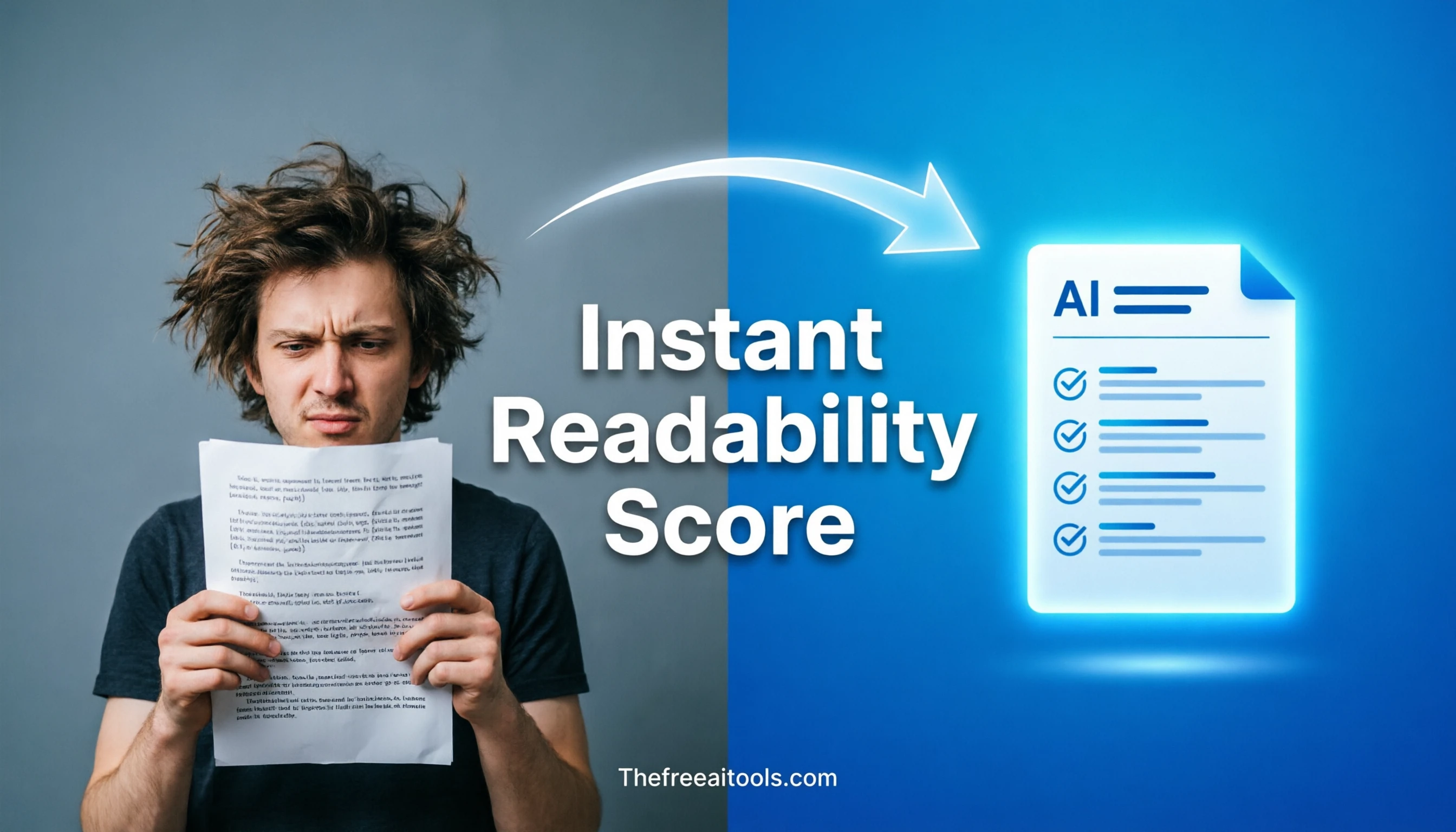
Estimate Flesch-Kincaid readability and sentence complexity from text — optimize content grade level instantly.
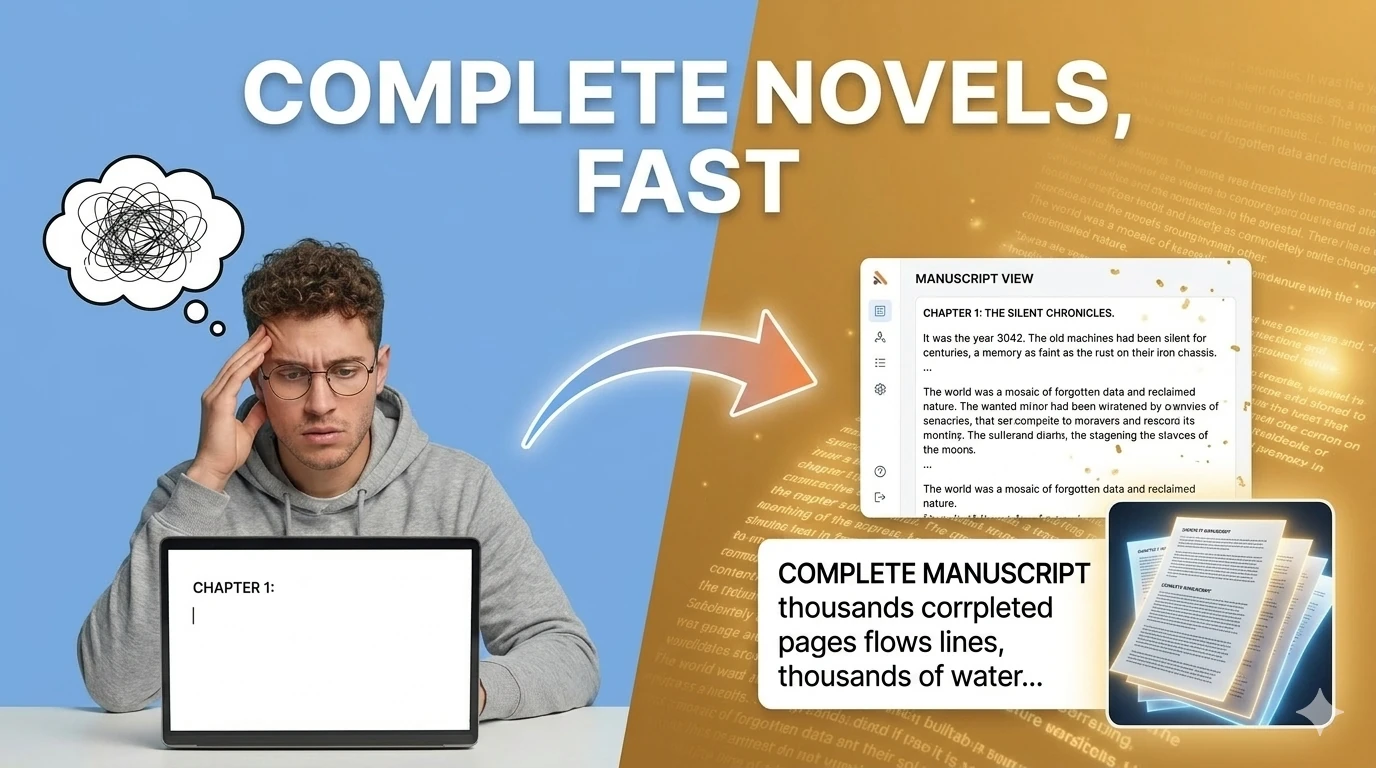
Generate captivating short stories, novel chapters, and fanfiction using AI — choose genre and let AI write the rest.
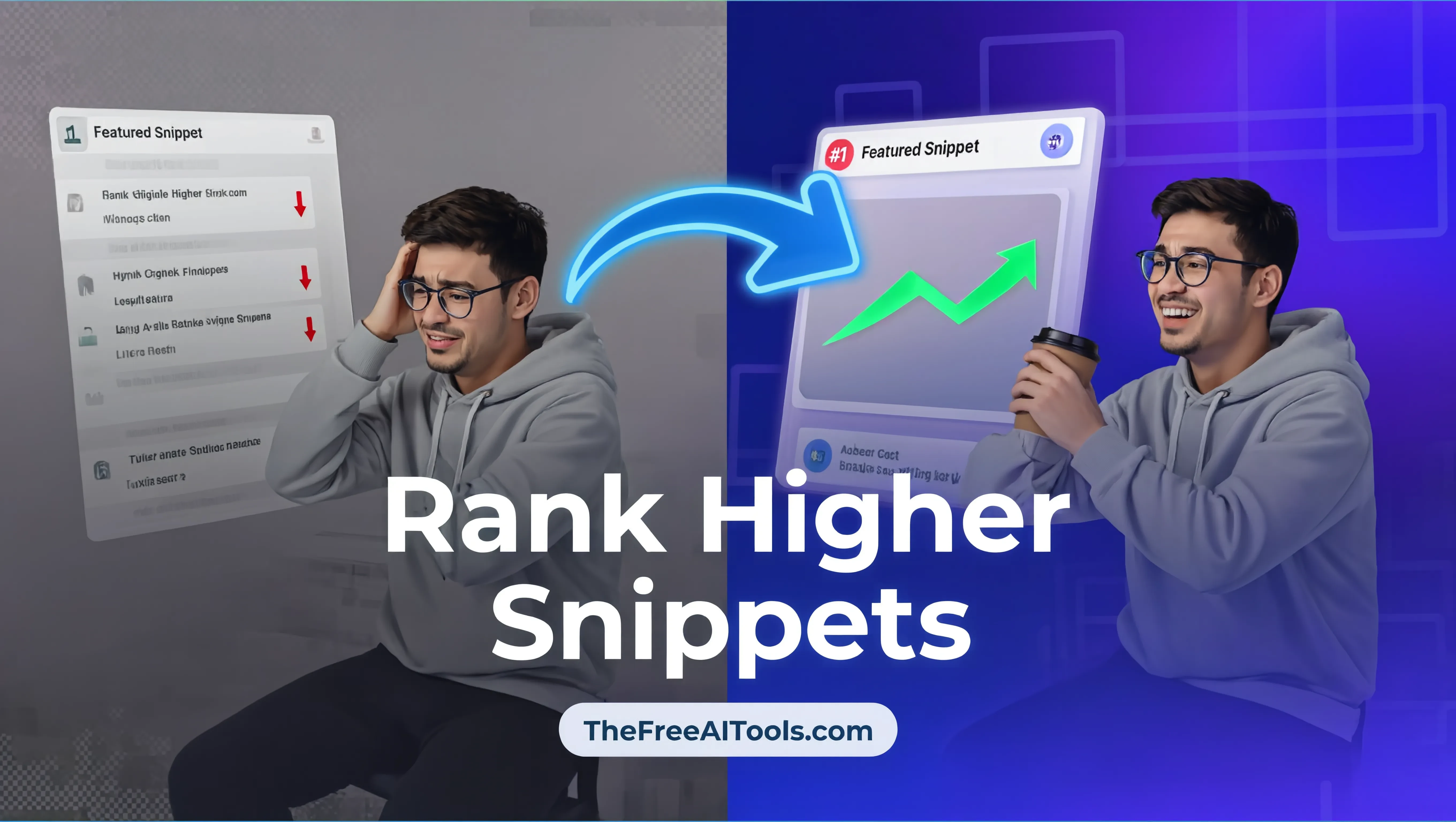
Preview title tags, URLs, and meta descriptions in a Google-style search result layout — SEO snippet tool.
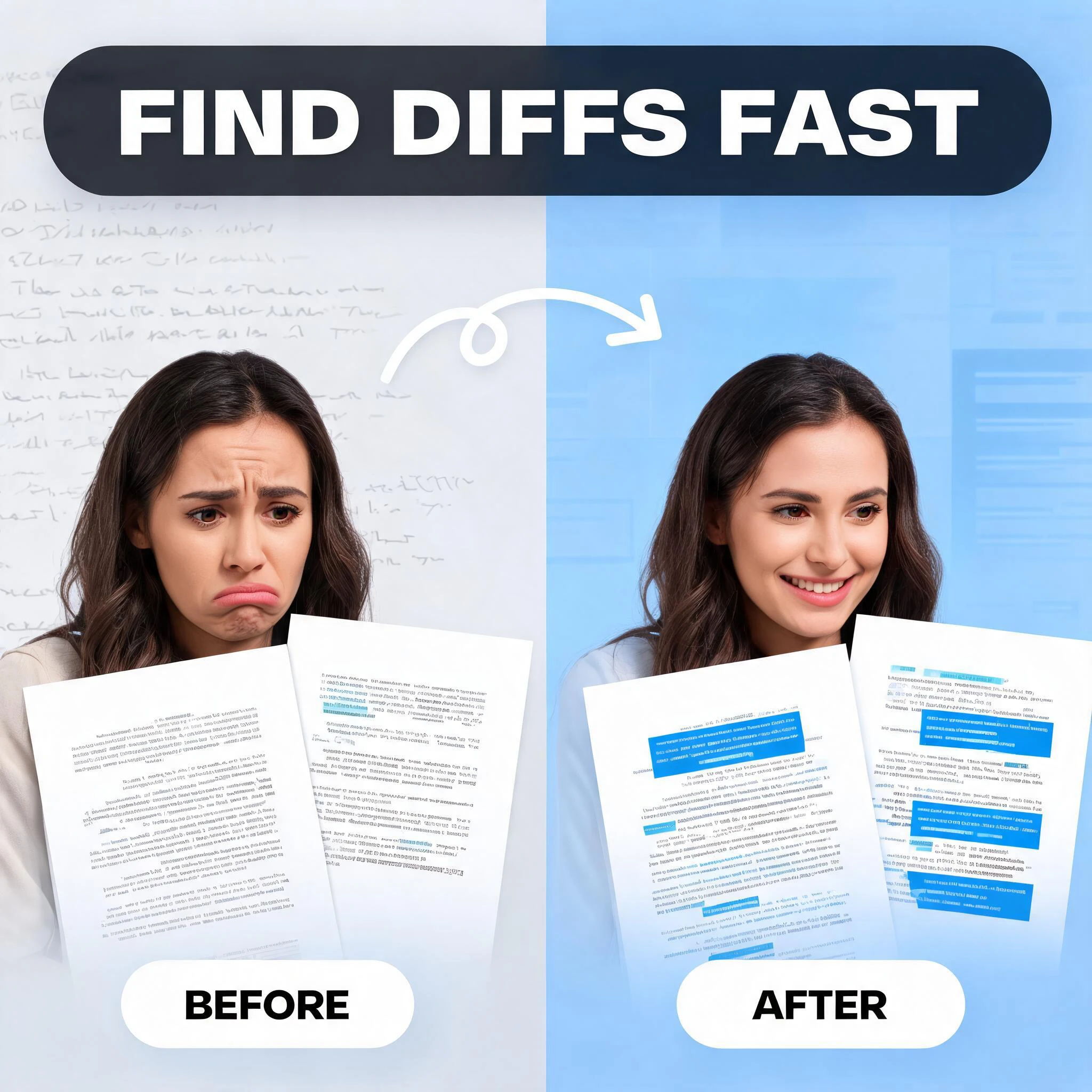
Compare two blocks of text and highlight additions and removals — visualize code and content changes instantly.
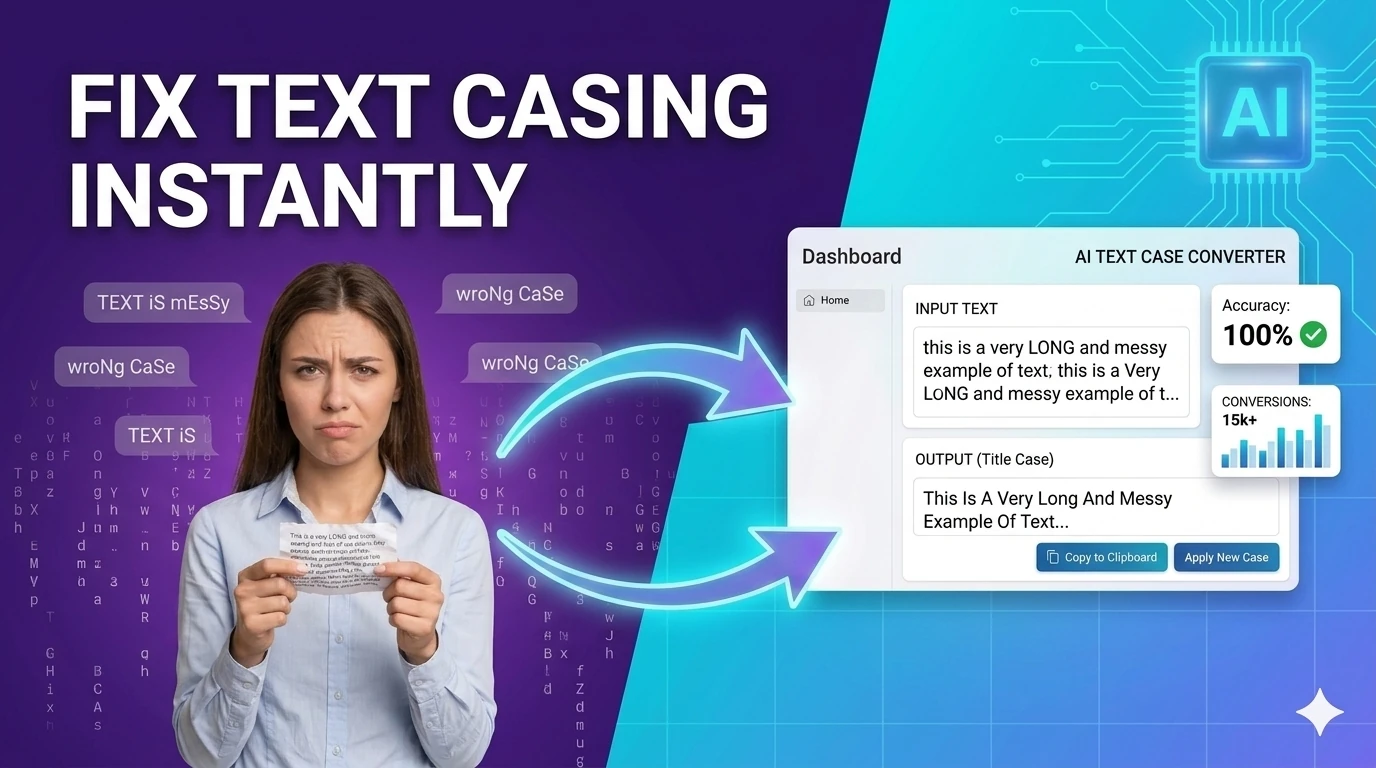
Convert text between upper, lower, title, camelCase, snake_case, and kebab-case — one-click text transformation.
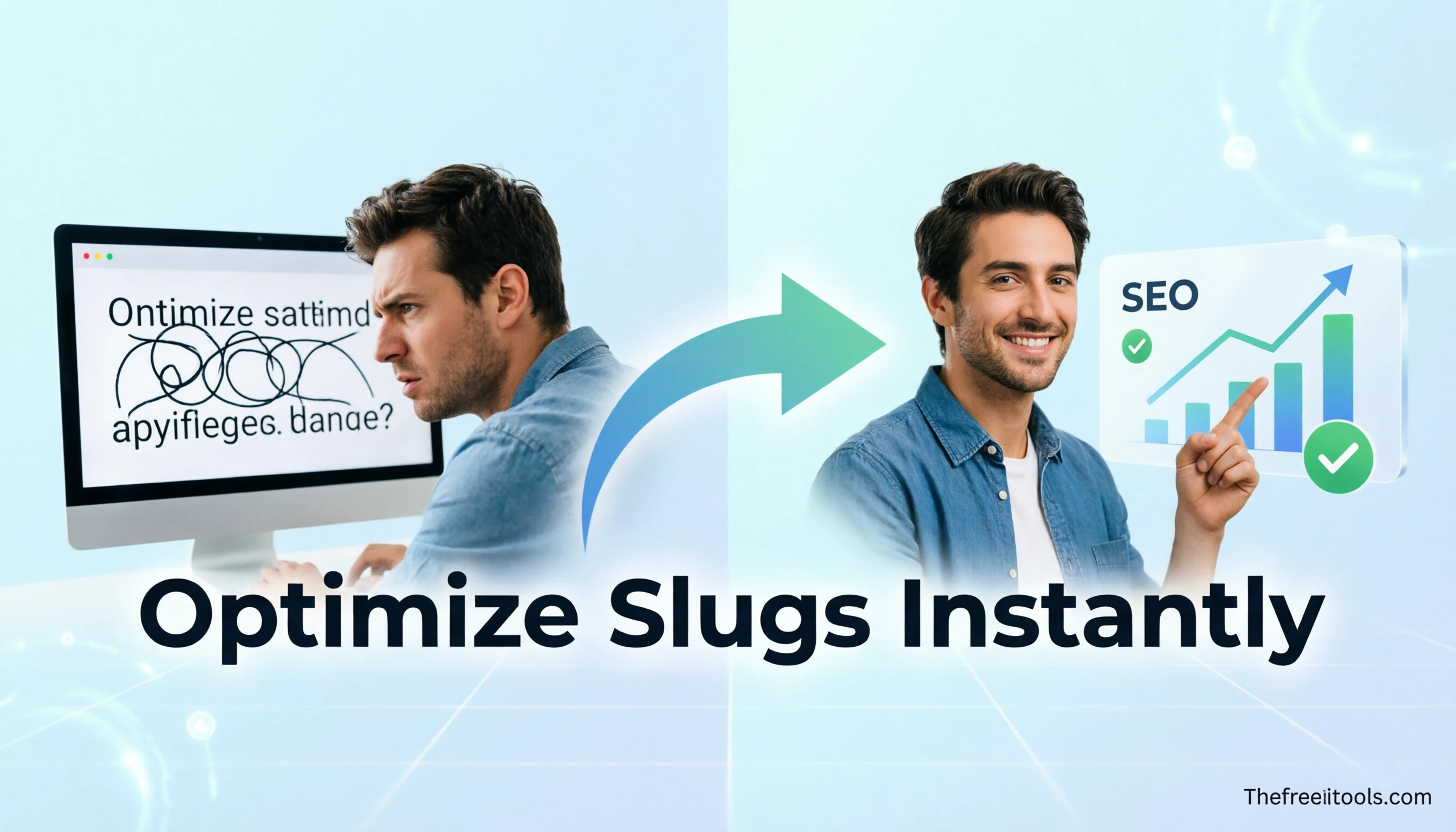
Turn page titles into clean, readable, SEO-friendly URL slugs — remove stop words and special characters.
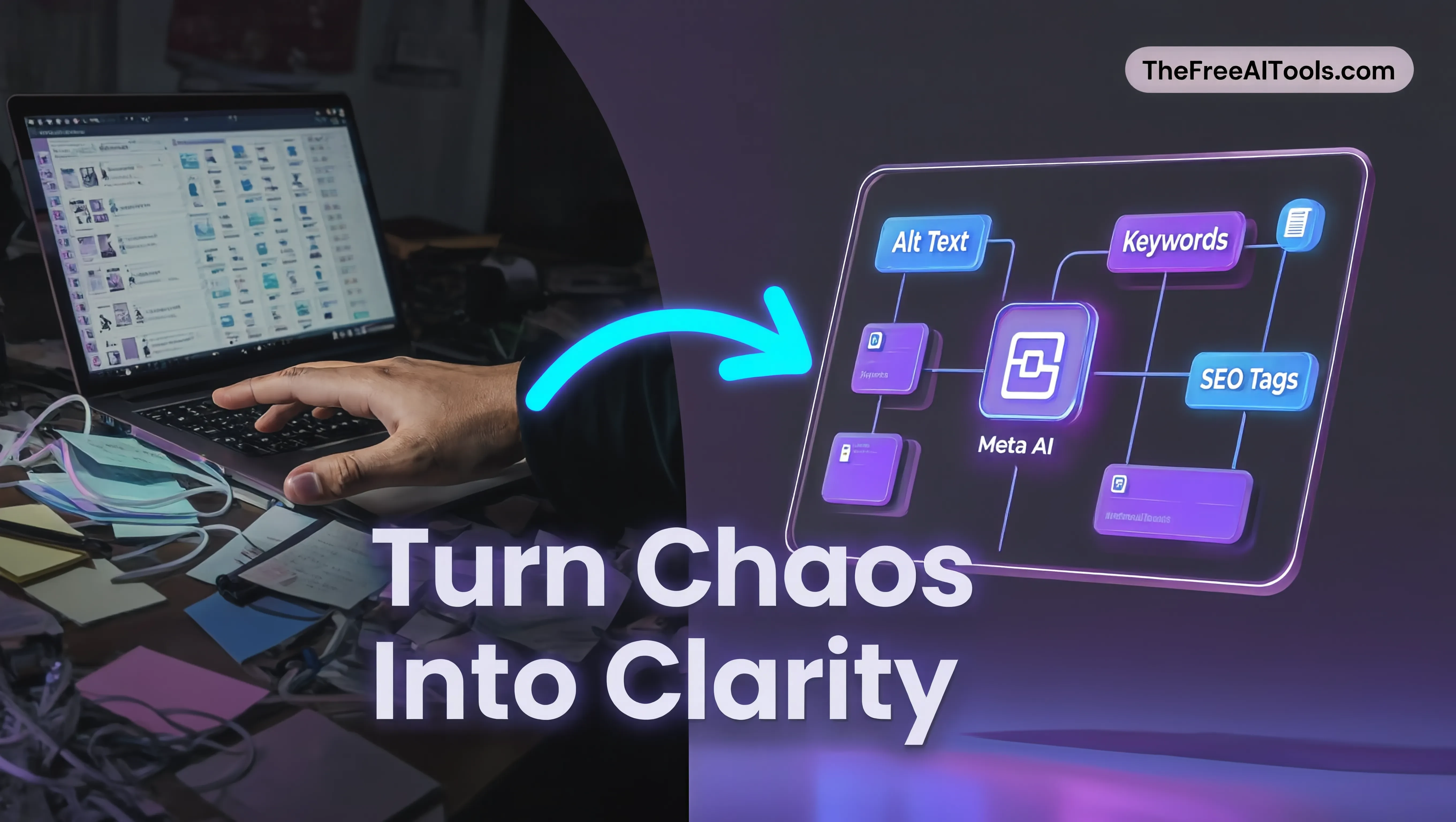
Generate SEO-friendly meta tags including Open Graph, Twitter Card, and canonical tags — copy-ready HTML with live preview.
Analyze repeated phrases and top keywords inside any text block — optimize content for search rankings.
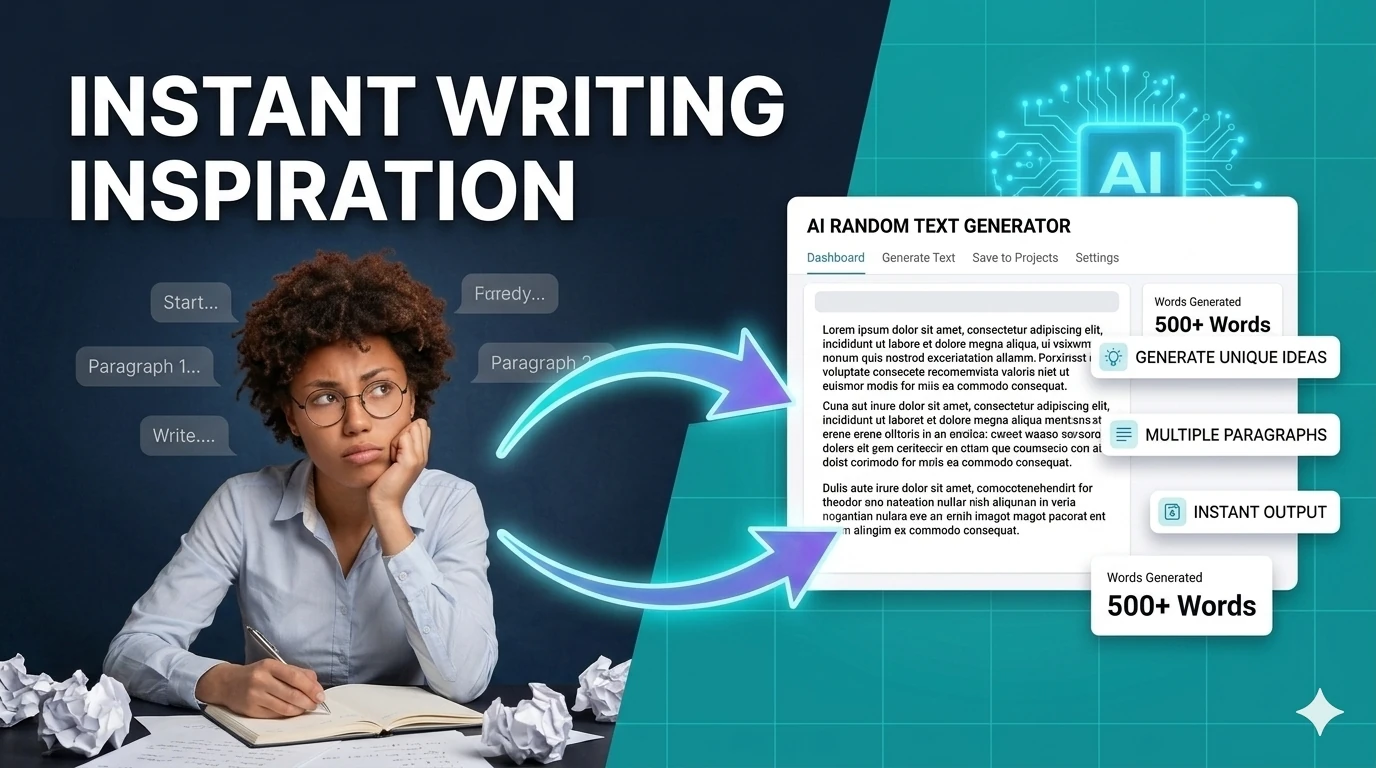
Generate placeholder copy in multiple lengths and writing tones — more expressive than standard lorem ipsum.

Create usernames, pet names, and brand-style aliases instantly — generate unique handles in seconds.
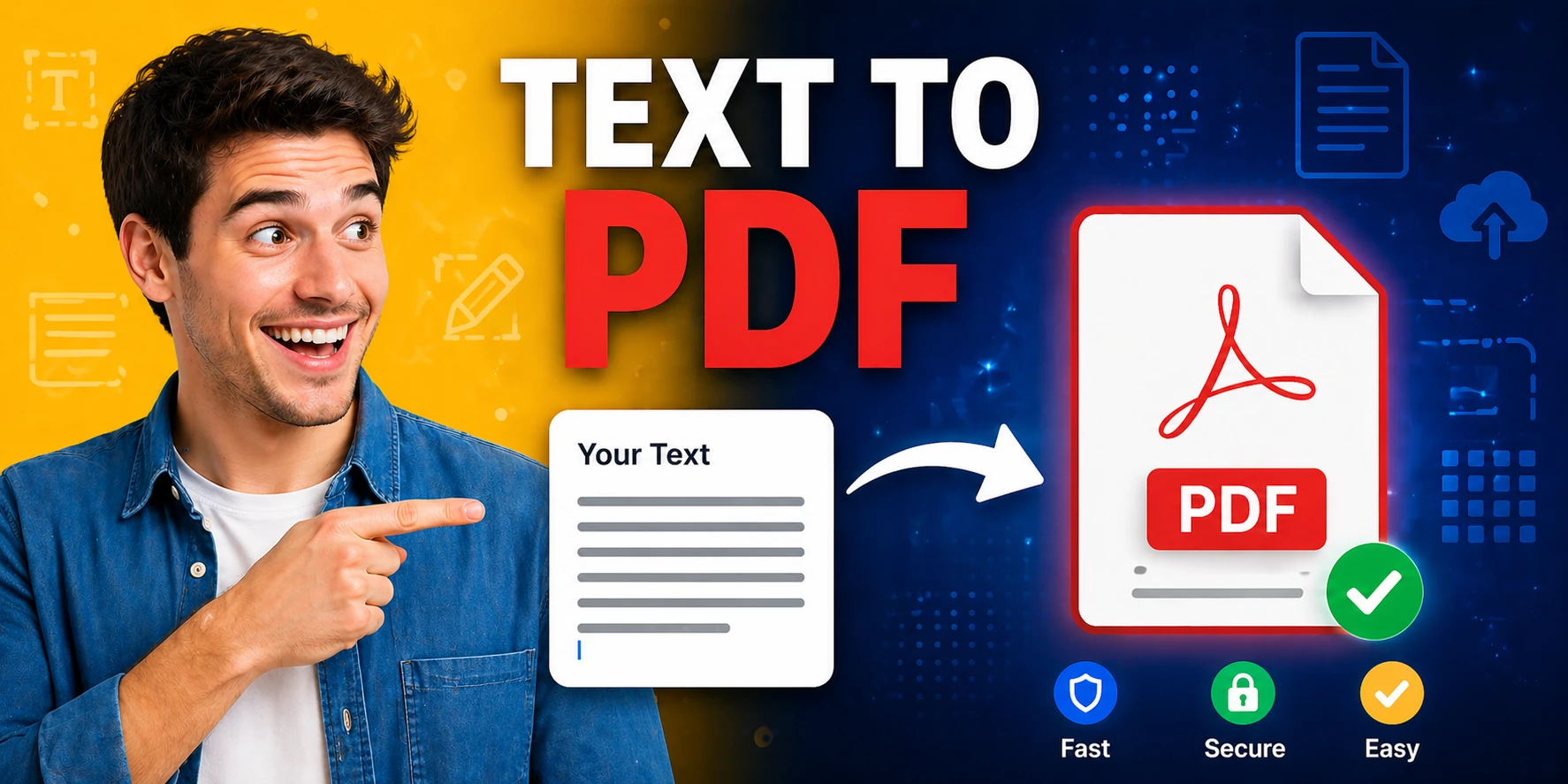
Convert plain text to formatted PDF documents with customizable page size — free, no software required.
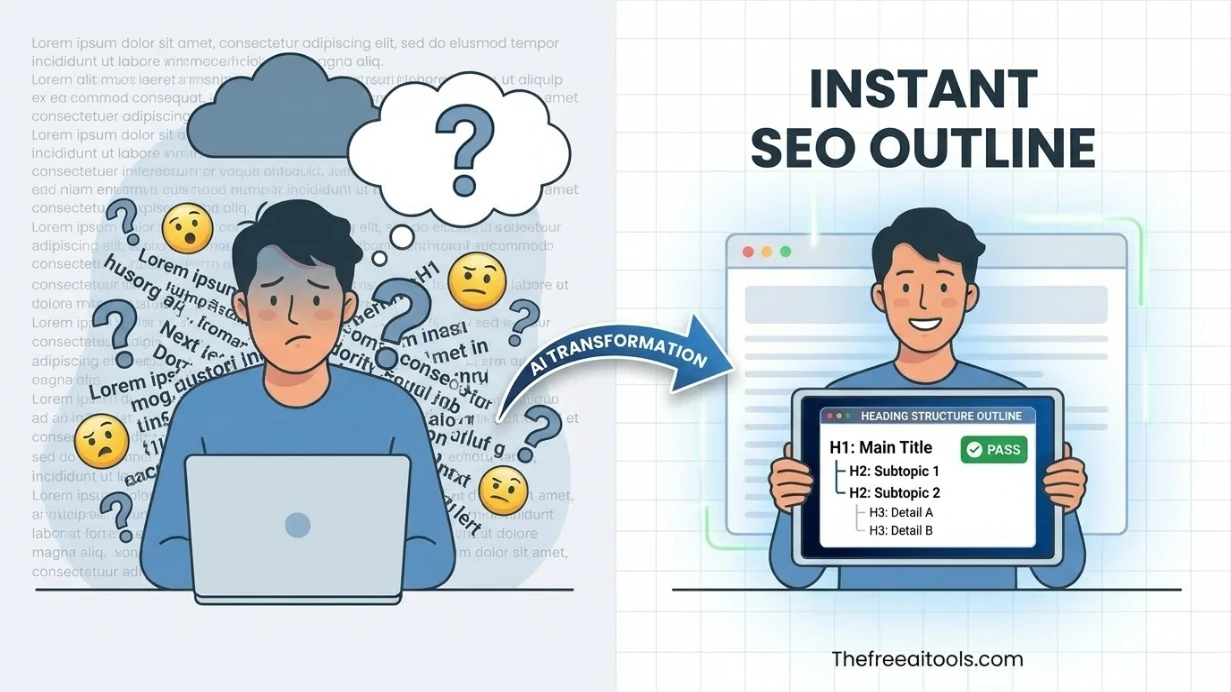
Audit pasted HTML for heading order, skipped levels, and document outline clarity — accessibility and SEO check.

Create consistent UTM URLs, validate naming conventions, and catch messy campaign tagging before links go live. It helps marketing teams keep analytics cleaner across channels and stakeholders.
The call to action is the single highest-leverage element in any piece of marketing copy. A landing page with weak CTA copy can have perfect SEO metadata, excellent page speed, and compelling body content — and still convert at a fraction of its potential because the final action instruction is vague, generic, or uninspiring. 'Click here', 'Submit', and 'Learn more' are the three most common and most underperforming CTAs on the internet. In 2026, AI tools make it trivially easy to generate dozens of specific, outcome-focused alternatives — eliminating the excuse for shipping generic CTA copy.
CTA variation testing is the conversion optimization discipline with the highest measured ROI per hour invested. Changing a single button from 'Submit' to 'Get my free report' has produced conversion rate improvements of 30-100% in documented case studies. The challenge is generating enough high-quality CTA variations to test systematically. The AI paraphrasing tool on this hub transforms this from a copywriting bottleneck into a five-minute workflow: input one base CTA concept, generate twenty semantic variations, eliminate the weakest candidates, and implement the strongest five for A/B testing.
Landing page CTA structure requires alignment across three layers: the headline CTA (the primary promise that earns the click or scroll), the body CTA (the supporting copy that overcomes objections), and the button CTA (the action instruction that closes the conversion). Most landing pages optimize only the button text while leaving the headline and body CTAs generic. The AI tools in this hub generate optimized copy for all three layers simultaneously — the AI prompt generator produces a structured brief that covers all three CTA contexts, and the paraphrasing tool generates variations for each.
Urgency and specificity are the two copywriting dimensions that most reliably improve CTA conversion rates across industries. 'Start your free 14-day trial — no credit card required' outperforms 'Sign up for free' because it resolves two specific objections (trial length and payment risk) in the CTA itself. The AI paraphrasing tool generates urgency and specificity variations automatically — producing alternative phrasings that incorporate time limits, benefit specificity, risk reversal, and social proof elements. The readability checker confirms that the added specificity does not create CTA copy that is too long to scan quickly.
Quick answers about the workflow, privacy, and where this tool fits in a broader job.
High-converting CTAs in 2026 are specific, action-oriented, and outcome-focused. 'Start your free trial' converts better than 'Submit'. 'Get your free SEO report' converts better than 'Learn more'. The AI paraphrasing tool generates multiple specific alternatives from a generic base CTA so you can test the most compelling phrasing.
AI generates variation volume that human copywriters cannot sustain. For any single CTA concept, the AI paraphrasing tool produces ten to twenty semantic variations — different verbs, different benefit framings, different urgency levels — that form an A/B testing pool for conversion optimization.
The AI prompt generator builds a structured brief for any landing page CTA context, and the AI paraphrasing tool generates variations from the brief output. Run the final CTAs through the readability tool to confirm they are concise, and the text humanizer to ensure they avoid robotic phrasing.
Button CTAs perform best at 2-5 words. Headline CTAs perform best at 6-10 words. Descriptive CTA paragraphs perform best at 15-30 words. The word counter on this hub confirms CTA length across all formats.
Yes. The AI tools in this hub generate CTA copy for any channel — email subject lines, social ad copy, landing pages, SMS, push notifications, and in-app messages. The same paraphrasing and humanizing workflow applies regardless of channel.
The complete toolkit
Every tool runs instantly in your browser — no account, no download, no cost. Across 13 categories for everyday tasks.