
Schema Markup Builder & Validator
Generate valid JSON-LD for articles, organizations, products, FAQs, and local businesses with instant preview and rule checks. It helps SEO teams ship structured data faster without copy-pasting uncertain snippets.
This hub collects the most useful free browser-based SEO tools for eCommerce store owners and developers in — covering product metadata, structured data, image optimization, crawl files, faceted navigation, and page speed — all zero signup, no install.
Updated · Reviewed by The Free AI Tools Editorial Team — eCommerce SEO tools and technical optimization review
Generate valid JSON-LD for articles, organizations, products, FAQs, and local businesses with instant preview and rule checks. It helps SEO teams ship structured data faster without copy-pasting uncertain snippets.

Generate SEO-friendly meta tags including Open Graph, Twitter Card, and canonical tags — copy-ready HTML with live preview.

Preview title tags, URLs, and meta descriptions in a Google-style search result layout — SEO snippet tool.

Turn page titles into clean, readable, SEO-friendly URL slugs — remove stop words and special characters.
Review meta descriptions for character length and snippet-friendly ranges — bulk SEO meta audit tool.

Create canonical link tags for pages, product variants, and paginated URLs — prevent duplicate content issues.

Create robots.txt files for your website — control search engine crawlers, disallow paths, and set sitemaps.

Generate XML sitemaps from a list of URLs — set priorities, change frequencies, and download instantly.

Assign sitemap priorities and change frequencies to a URL inventory — generate XML sitemap attributes.

Visualize redirect chains from pasted crawl exports, response logs, or manually entered hops so teams can trim unnecessary redirects. This is useful during migrations, replatforms, and large-scale URL cleanup projects.

Check a list of URLs and mark timeout or fetch failures — find and fix 404 errors on your website.
Estimate performance bottlenecks and Core Web Vitals from page metrics — lightweight Lighthouse simulator.
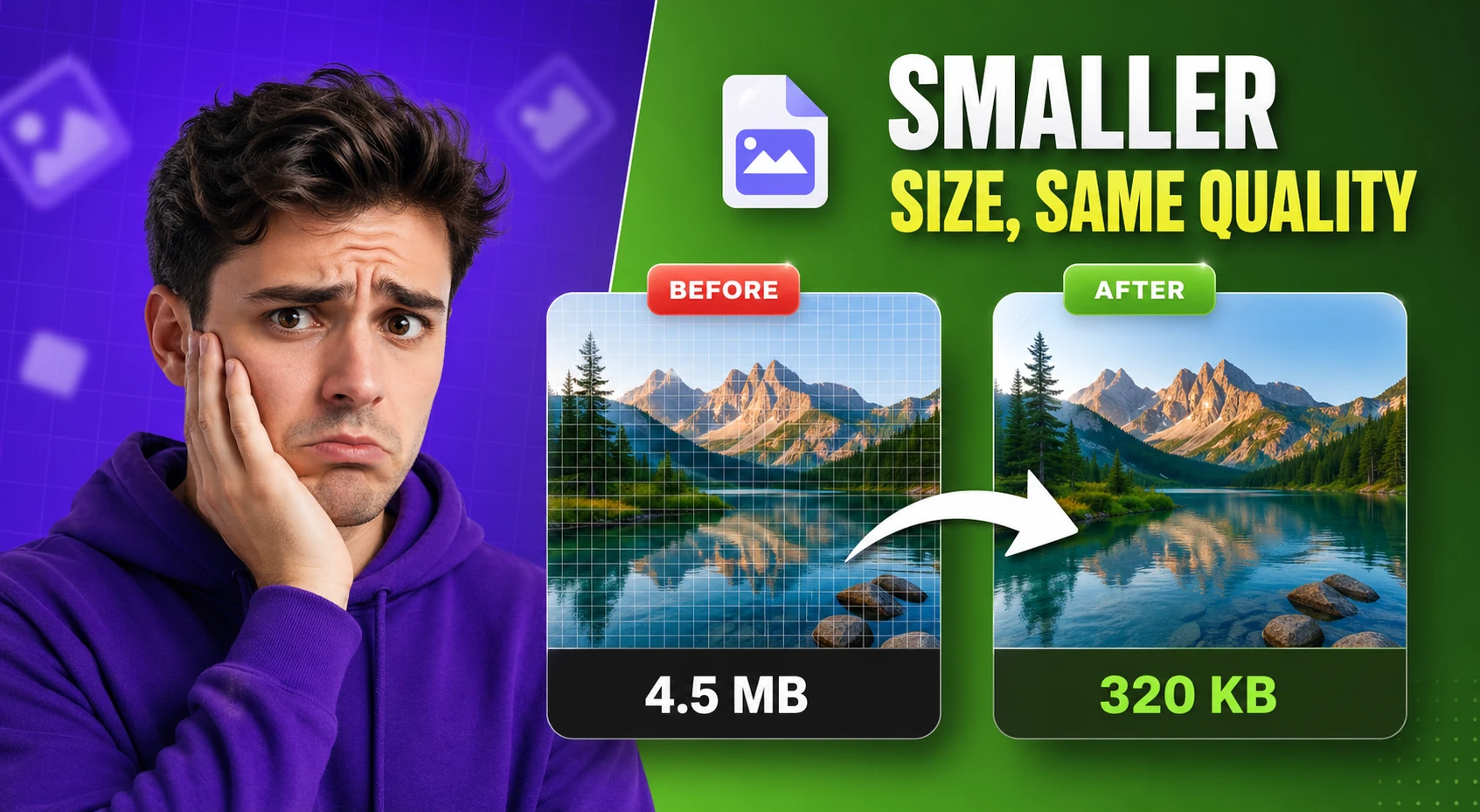
Compress and optimize images with adjustable quality and live preview — reduce file size for faster web performance.

Resize images to preset or custom dimensions — social media presets, pixel-perfect, and percentage-based scaling.
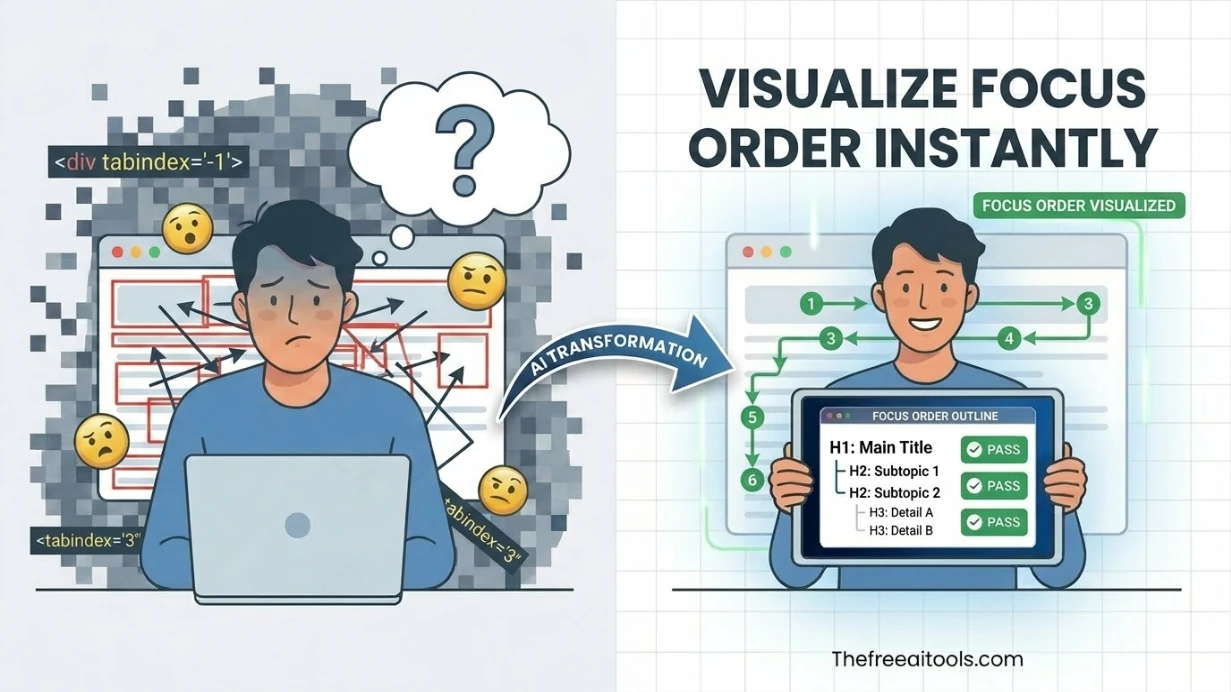
Review image alt text for length, clarity, duplication, and decorative-image handling. It helps content teams write accessible image descriptions without relying on AI or third-party APIs.

Preview how Open Graph titles, descriptions, and images appear when shared on social media — OG tag tester.

Generate hreflang link tags for multilingual and multi-region sites — correct international SEO targeting.
Analyze repeated phrases and top keywords inside any text block — optimize content for search rankings.

Estimate Flesch-Kincaid readability and sentence complexity from text — optimize content grade level instantly.
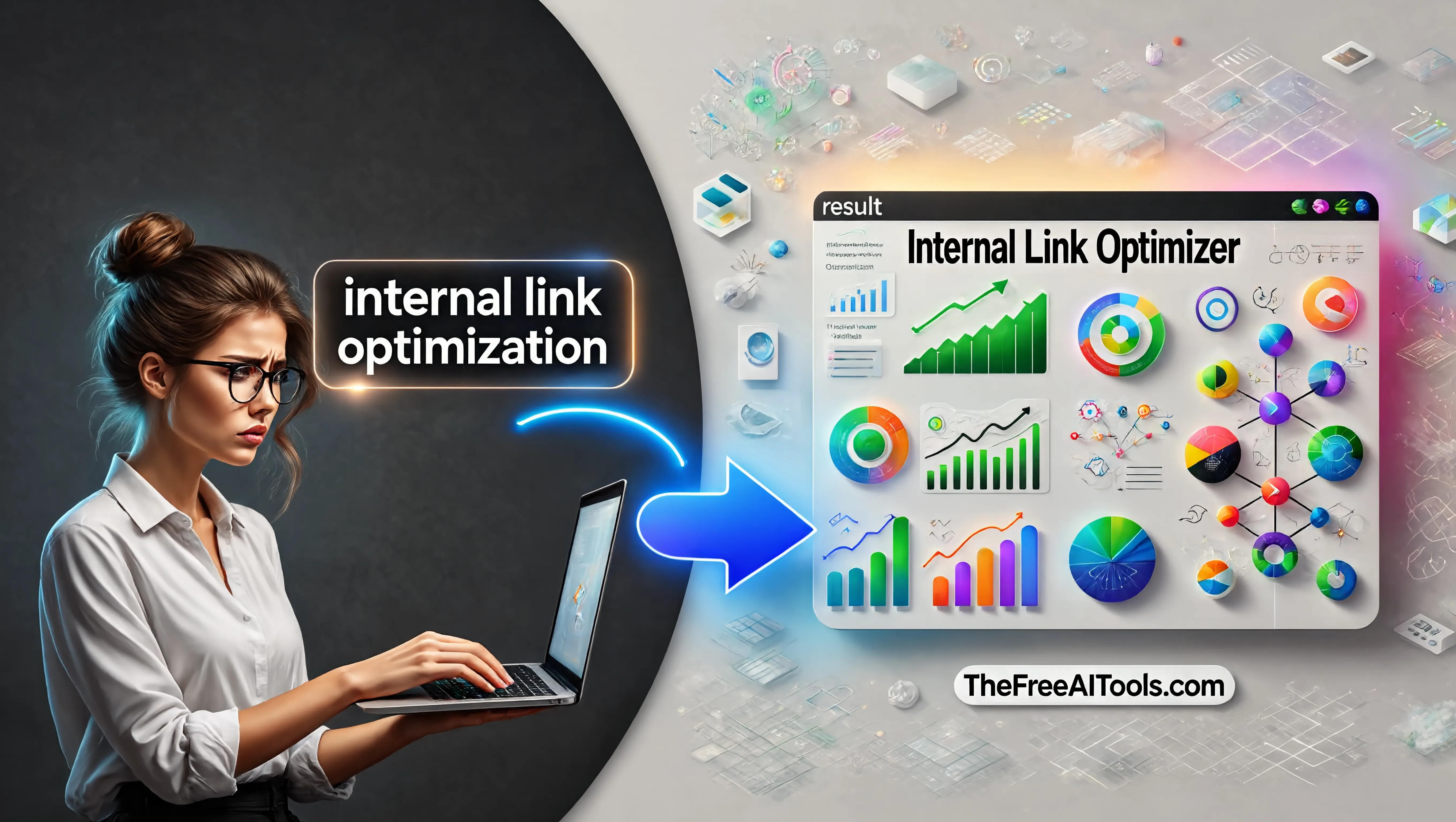
Turn pasted URL and link-export data into a visual internal-link graph to spot orphaned pages, weak clusters, and overlinked nodes. It helps SEO teams plan site structure without sending crawl exports to an outside tool.

Create consistent UTM URLs, validate naming conventions, and catch messy campaign tagging before links go live. It helps marketing teams keep analytics cleaner across channels and stakeholders.

Paraphrase and rewrite text using AI to sound natural, improve clarity, and bypass AI content detectors.

Clean and humanize AI-generated text to sound natural and help bypass AI detectors — powered by AI.

Count words, characters, sentences, and estimate reading time — with keyword density analysis.

Format, validate, and minify JSON with error highlighting — instantly beautify messy JSON responses.
eCommerce SEO in 2026 is a multi-layered technical discipline that separates high-revenue stores from identical products that never get found. The stores winning in organic search are not necessarily selling better products — they are implementing Product schema for rich results, compressing product images for Core Web Vitals, writing unique metadata for every category and product page, and managing canonical tags to prevent faceted navigation from creating thousands of duplicate-content URLs. The free tools in this hub cover every one of these technical requirements without a paid SEO tool subscription.
Product schema markup has become the single clearest technical differentiator between eCommerce stores that earn rich SERP features and those that display as plain blue links. Google Shopping integration, star rating overlays, price displays, and availability badges in organic results are all enabled by correctly implemented Product JSON-LD. The schema markup builder on this hub generates complete Product schema for any product type — physical goods, digital products, services — with all required and recommended fields included and validator-ready output.
Page speed is the eCommerce SEO factor with the most directly measurable revenue impact in 2026. Every 100ms of additional page load time reduces conversion rate by approximately 1% — meaning slow pages cost revenue from both search ranking penalties and visitor abandonment. The primary driver of slow eCommerce pages is unoptimized product imagery. Running every product image through the image compressor and converting to WebP before upload is the single highest-ROI performance optimization available to most eCommerce stores.
Internal linking strategy in eCommerce stores is significantly more complex than in content sites because category hierarchies, related product recommendations, brand pages, and promotional landing pages all compete for crawl budget and internal PageRank. The internal link graph visualizer maps the current state of your store's link architecture, revealing which product pages receive no internal link equity and which category pages are overlinked relative to their commercial value. Fixing internal link distribution is a high-impact SEO improvement that requires no content creation — only editorial changes to existing pages.
Quick answers about the workflow, privacy, and where this tool fits in a broader job.
The highest-impact eCommerce SEO tools are the Product schema markup builder for rich results eligibility, the meta tag generator for unique product and category metadata, the image compressor for Core Web Vitals performance, and the canonical tag generator for handling faceted navigation duplicate content.
Product JSON-LD enables Google to display price, availability, and star rating directly in search results as rich snippets. These enhanced listings earn significantly higher click-through rates than plain blue-link results — often 20-35% more clicks for the same ranking position.
Use the canonical tag generator to produce canonical directives pointing filtered category URLs to the base category page. Combine this with robots.txt rules from the robots.txt generator to prevent Googlebot from crawling low-value filter combinations.
Product images are the largest assets on most eCommerce pages and the primary cause of slow Core Web Vitals scores. Compressing product images before upload and converting to WebP format directly improves Largest Contentful Paint — a Google ranking signal since 2021.
Run a full technical audit quarterly and a metadata check every time you add product categories or run a major campaign. High-velocity stores adding products daily benefit from a lightweight pre-publish checklist: metadata, schema, image alt text, and canonical on every new product page.
The complete toolkit
Every tool runs instantly in your browser — no account, no download, no cost. Across 13 categories for everyday tasks.