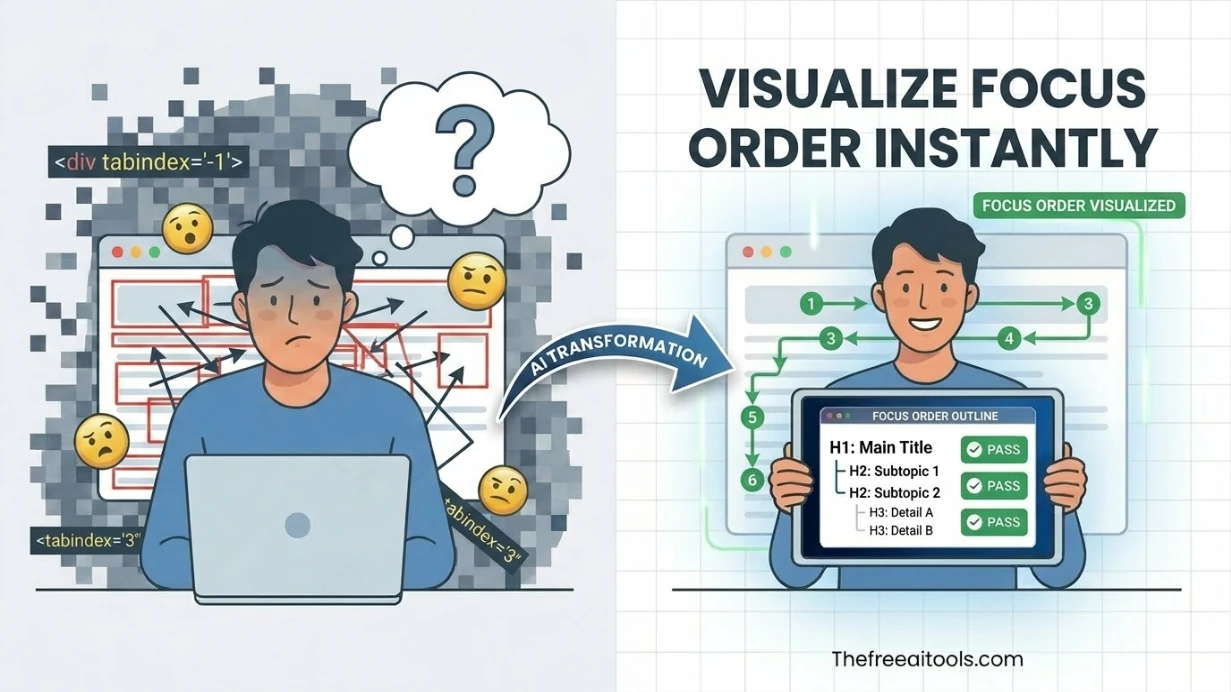
Alt Text Length Checker
Review image alt text for length, clarity, duplication, and decorative-image handling. It helps content teams write accessible image descriptions without relying on AI or third-party APIs.
This hub gathers the best free browser-based image SEO and optimization tools in — covering alt text quality, image file naming, compression, format conversion, EXIF metadata, schema markup for images, and structured data for visual content — all zero signup.
Updated · Reviewed by The Free AI Tools Editorial Team — Image SEO and visual search optimization tools review
Review image alt text for length, clarity, duplication, and decorative-image handling. It helps content teams write accessible image descriptions without relying on AI or third-party APIs.
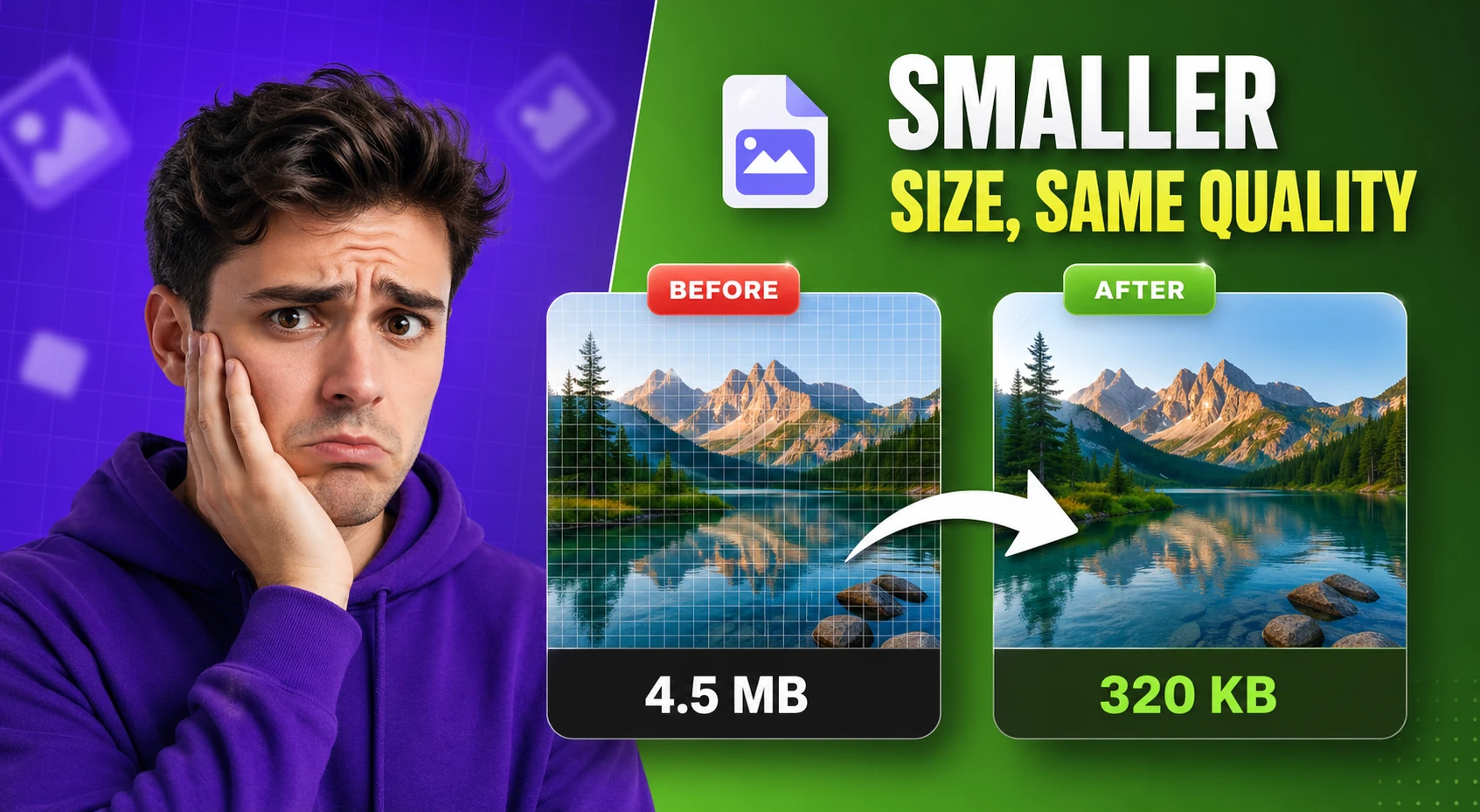
Compress and optimize images with adjustable quality and live preview — reduce file size for faster web performance.

Resize images to preset or custom dimensions — social media presets, pixel-perfect, and percentage-based scaling.
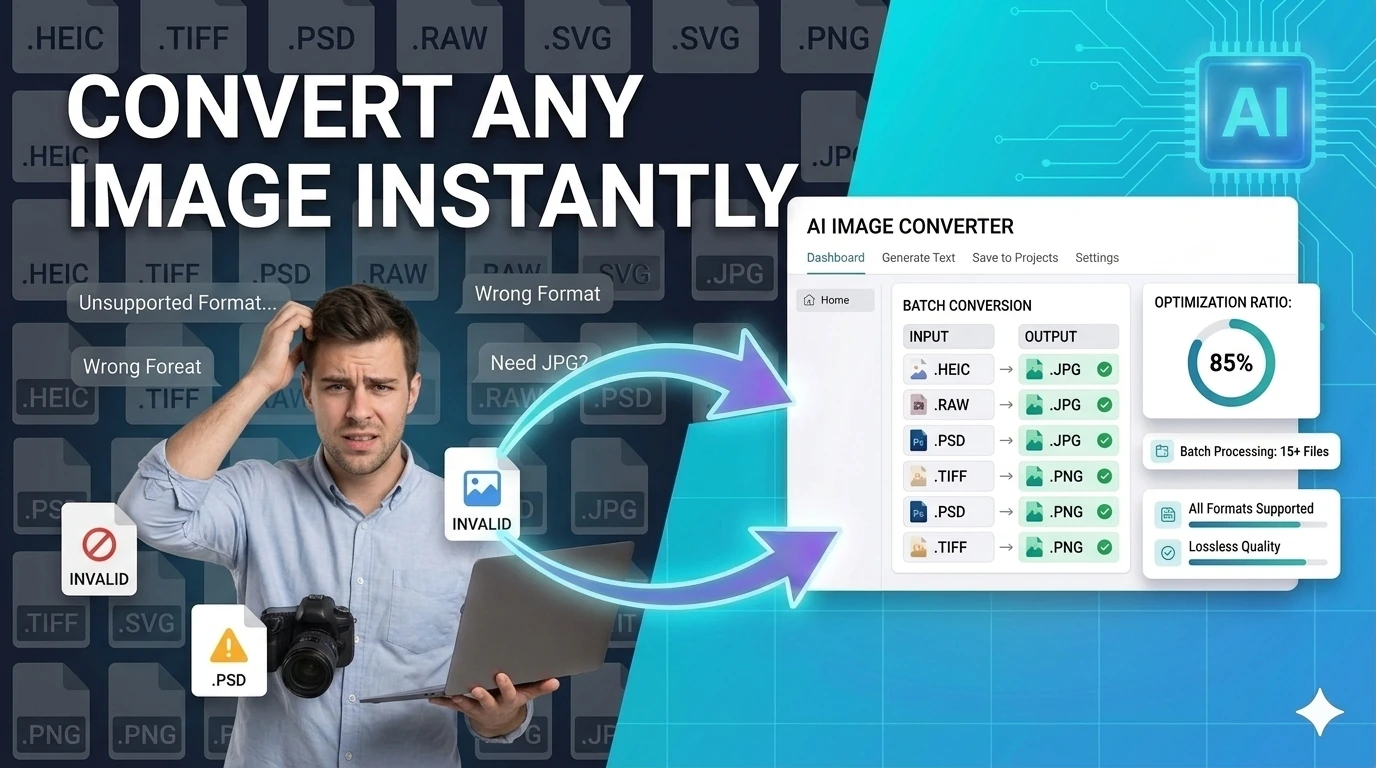
Convert images between JPG, PNG, WebP, ICO, and AVIF formats instantly in your browser — no upload required.

Check image metadata for location, device, and timestamp details, then strip the fields you do not want to share. It is especially useful for press kits, listings, and personal photos shared publicly.

Read EXIF and basic image metadata from uploaded files — inspect camera settings, GPS, and creation dates.
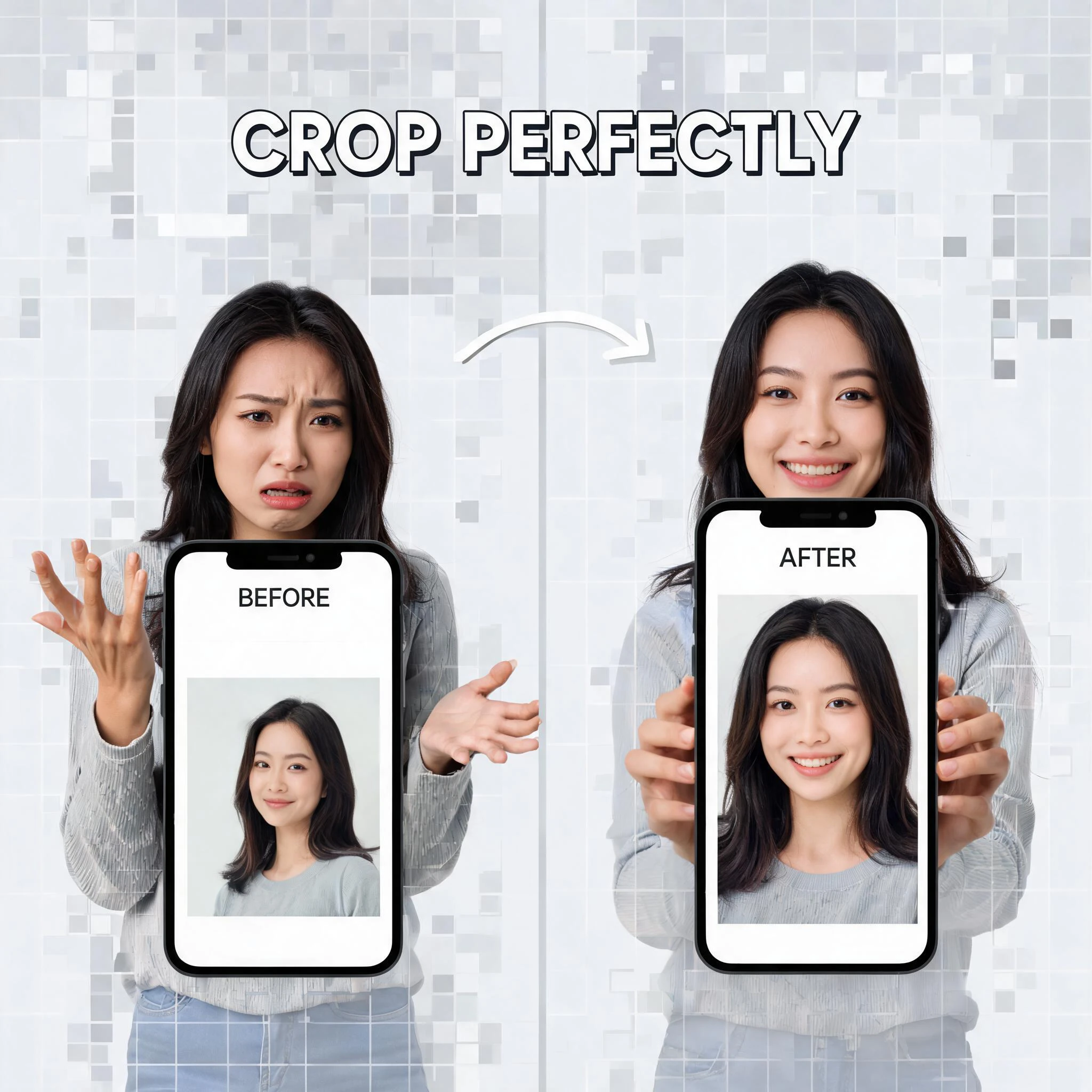
Crop images with common aspect ratios and download the result — precise browser-based image cropping tool.
Convert multiple images to JPG, PNG, or WebP and download them together — bulk image format conversion.
Generate valid JSON-LD for articles, organizations, products, FAQs, and local businesses with instant preview and rule checks. It helps SEO teams ship structured data faster without copy-pasting uncertain snippets.
Turn page titles into clean, readable, SEO-friendly URL slugs — remove stop words and special characters.
Analyze repeated phrases and top keywords inside any text block — optimize content for search rankings.
Estimate performance bottlenecks and Core Web Vitals from page metrics — lightweight Lighthouse simulator.
Preview title tags, URLs, and meta descriptions in a Google-style search result layout — SEO snippet tool.

Paraphrase and rewrite text using AI to sound natural, improve clarity, and bypass AI content detectors.
Turn simple ideas into highly detailed, optimized prompts for Midjourney, ChatGPT, Stable Diffusion, Claude, and DALL-E using AI.
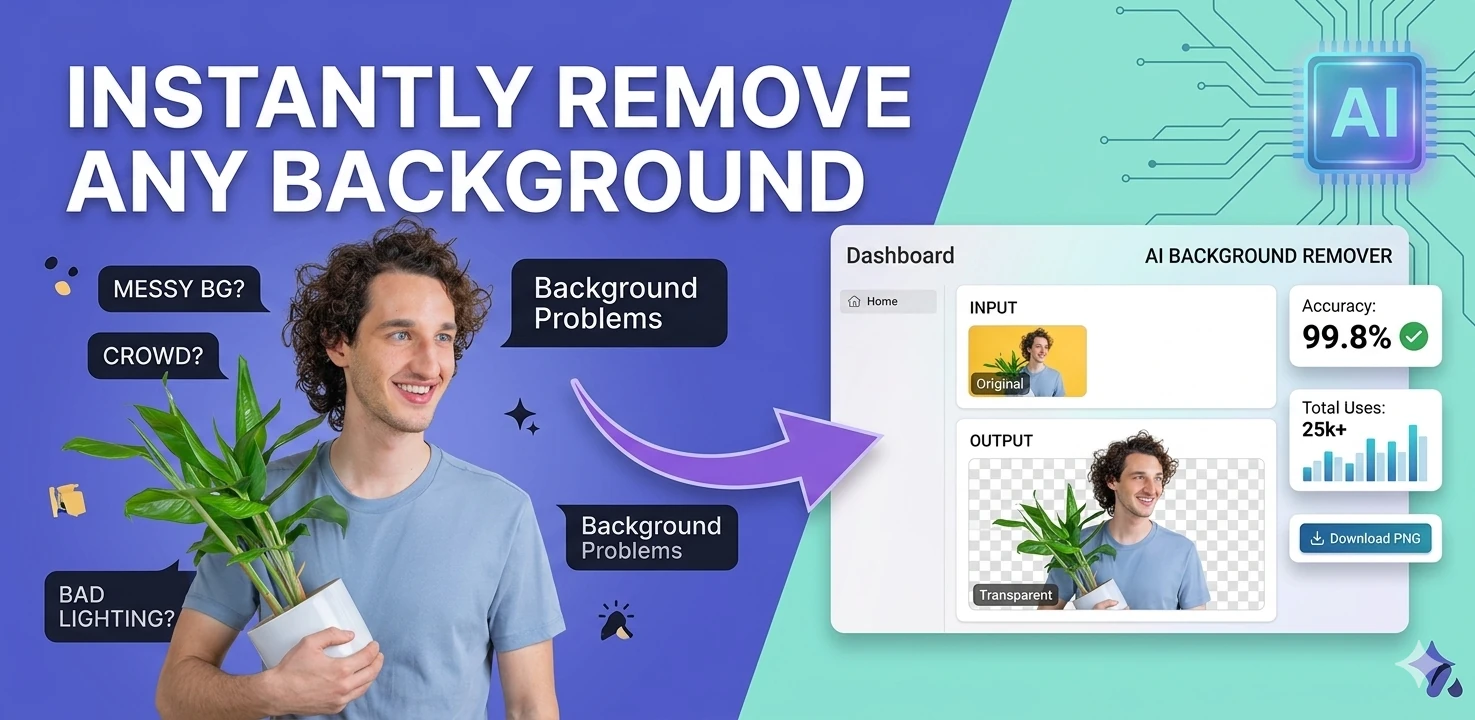
Remove image backgrounds in the browser with color picking, flood fill, and edge-aware controls — client-side, no upload.
Normalize messy file names for safer downloads, uploads, and archives — remove illegal characters instantly.
Pick colors and convert between HEX, RGB, and HSL formats — with live preview and clipboard copy.
Extract a color palette from pasted CSS or HTML color values — build brand color systems instantly.
Build simple SVG graphics with shapes, labels, and export-ready markup — browser-based SVG design tool.
Image SEO is the optimization discipline most consistently neglected by site owners who focus exclusively on text content, yet images drive substantial organic traffic across multiple content categories in 2026. Google Image Search generates millions of daily visits to e-commerce product pages, recipe sites, design portfolios, and travel content. A correctly optimized image — compressed for speed, named descriptively, tagged with keyword-relevant alt text, and structured with appropriate schema markup — earns visibility in image search, visual search, and Google Discover that text optimization alone cannot capture.
Alt text optimization is both the most important image SEO element and the most commonly neglected. Alt text serves two simultaneous functions: it describes images to visually impaired users relying on screen readers, satisfying accessibility requirements, and it communicates image content to Google's crawlers, which cannot see images but index their alt text for search ranking. The alt text length checker on this hub evaluates alt text for appropriate length and completeness — catching both the 'img_4721' filename-as-alt-text pattern and the overly long alt texts that degrade screen reader experience.
Image compression and format optimization is the technical image SEO layer with the most direct impact on ranking through Core Web Vitals. Largest Contentful Paint — the most important Core Web Vitals metric for ranking — measures the time to render the largest visible element on a page, which is typically an image. Pages with uncompressed hero images frequently fail LCP thresholds, incurring ranking penalties that text optimization cannot offset. The image compressor reduces file size, the image converter produces WebP format, and the image resizer ensures images are served at display dimensions rather than oversized resolutions that waste download bandwidth.
Schema markup for images is an advanced image SEO technique that is underimplemented across most websites in 2026. ImageObject schema provides Google with structured metadata about images: content URL, thumbnail URL, caption, and license information. For e-commerce product images, Product schema with an image property creates structured connections between product pages and their images that improve Google Shopping eligibility. For recipe content, Recipe schema with image properties improves recipe search and Discover visibility. The schema markup builder on this hub generates complete image-inclusive schema for all major content types.
Quick answers about the workflow, privacy, and where this tool fits in a broader job.
Image SEO optimizes visual content for discovery through Google Image Search, improves page load speed through compression, and strengthens on-page SEO signals through keyword-relevant alt text and file names. In 2026, Google Image Search generates significant traffic across e-commerce, recipe, design, and content sites.
SEO alt text is descriptive, specific, and naturally contains the target keyword where relevant. 'Woman using laptop in coffee shop' is mediocre alt text. 'Marketing manager reviewing campaign analytics dashboard on laptop' is SEO-optimized alt text that matches relevant search queries. The alt text length checker verifies descriptions stay within the 125-character optimal range.
Uncompressed images are the primary cause of slow Largest Contentful Paint scores, which is a direct Google ranking signal. Compressing images with the image compressor before upload typically reduces file size by 40-80% with no visible quality loss, improving Core Web Vitals scores and search ranking simultaneously.
WebP is the optimal format for web images in — it provides better compression than JPEG and PNG while supporting transparency like PNG. The image converter on this hub converts any image to WebP format. Use SVG for logos, icons, and illustrations as it scales without quality loss and produces smaller file sizes.
Image file names are an SEO signal that Google reads to understand image content. Use descriptive, hyphenated file names that contain the target keyword: 'blue-leather-handmade-wallet.jpg' not 'IMG_4721.jpg'. The filename sanitizer on this hub converts image file names to SEO-friendly formats.
The complete toolkit
Every tool runs instantly in your browser — no account, no download, no cost. Across 13 categories for everyday tasks.