
AI Paraphrasing Tool
Paraphrase and rewrite text using AI to sound natural, improve clarity, and bypass AI content detectors.
This hub collects the best free AI-powered and technical SEO tools for building and optimizing landing pages in — covering headline generation, CTA writing, keyword alignment, page speed, metadata, structured data, and social preview — all browser-based with zero signup.
Updated · Reviewed by The Free AI Tools Editorial Team — Landing page copy, SEO, and conversion tools review
Paraphrase and rewrite text using AI to sound natural, improve clarity, and bypass AI content detectors.
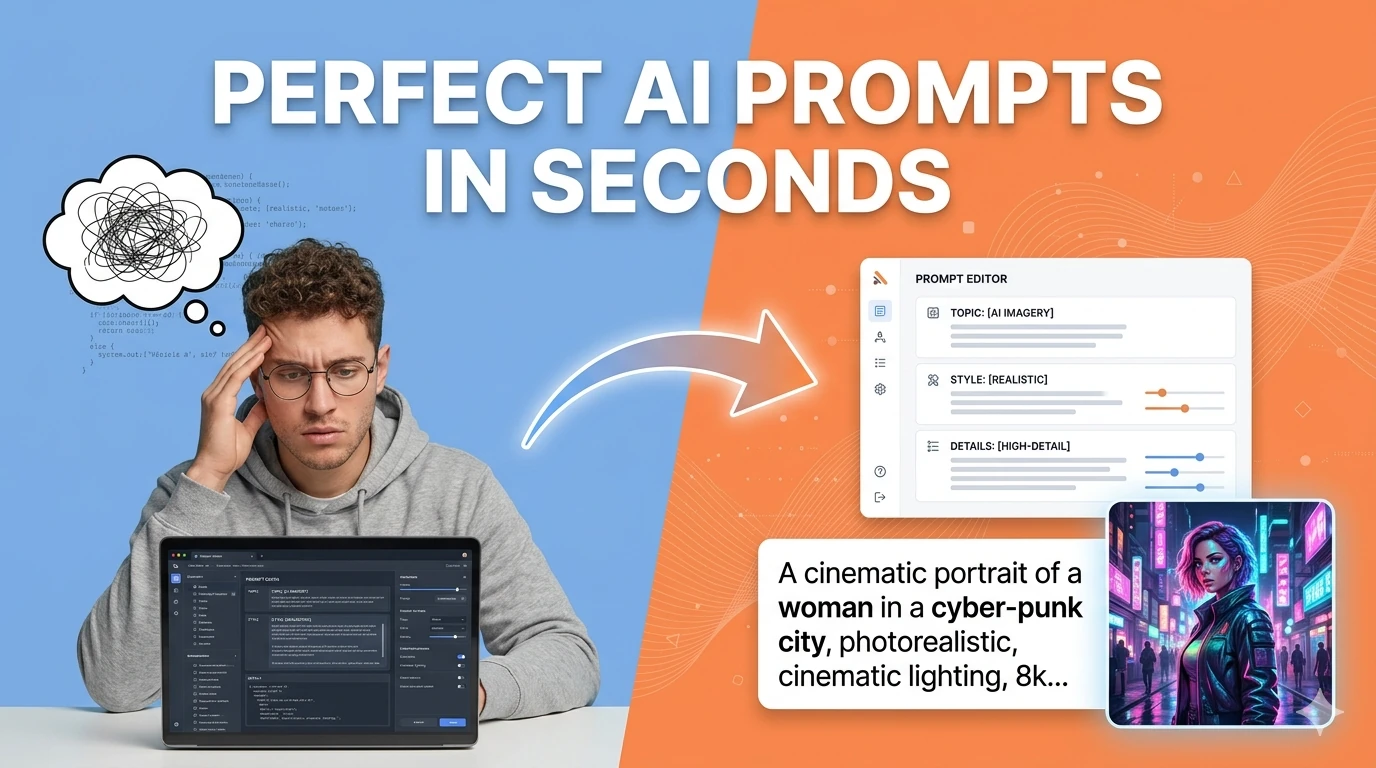
Turn simple ideas into highly detailed, optimized prompts for Midjourney, ChatGPT, Stable Diffusion, Claude, and DALL-E using AI.
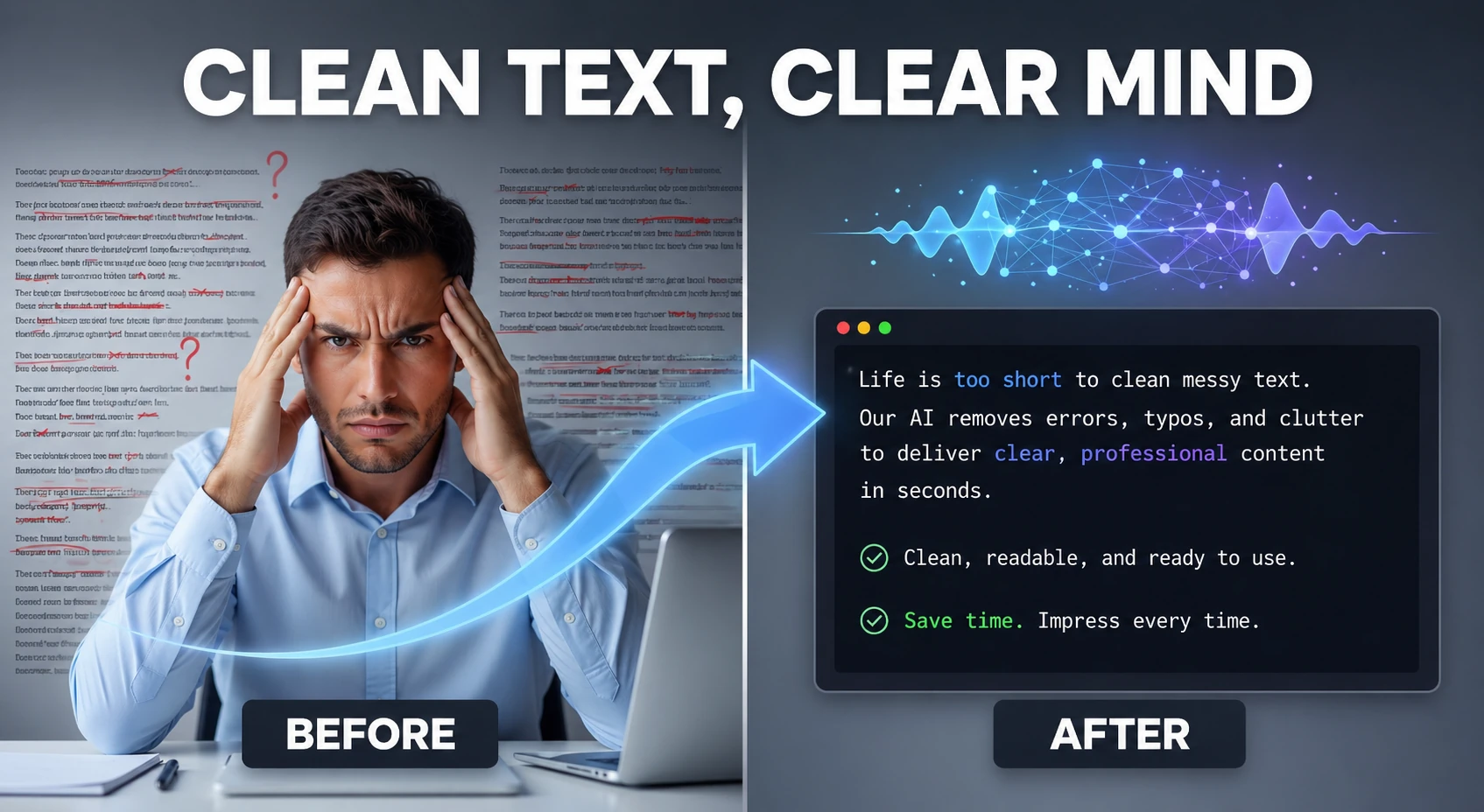
Clean and humanize AI-generated text to sound natural and help bypass AI detectors — powered by AI.
Detect robotic writing patterns and rewrite AI-generated text into a more natural, human-sounding draft — runs entirely in your browser.
Estimate Flesch-Kincaid readability and sentence complexity from text — optimize content grade level instantly.
Analyze repeated phrases and top keywords inside any text block — optimize content for search rankings.
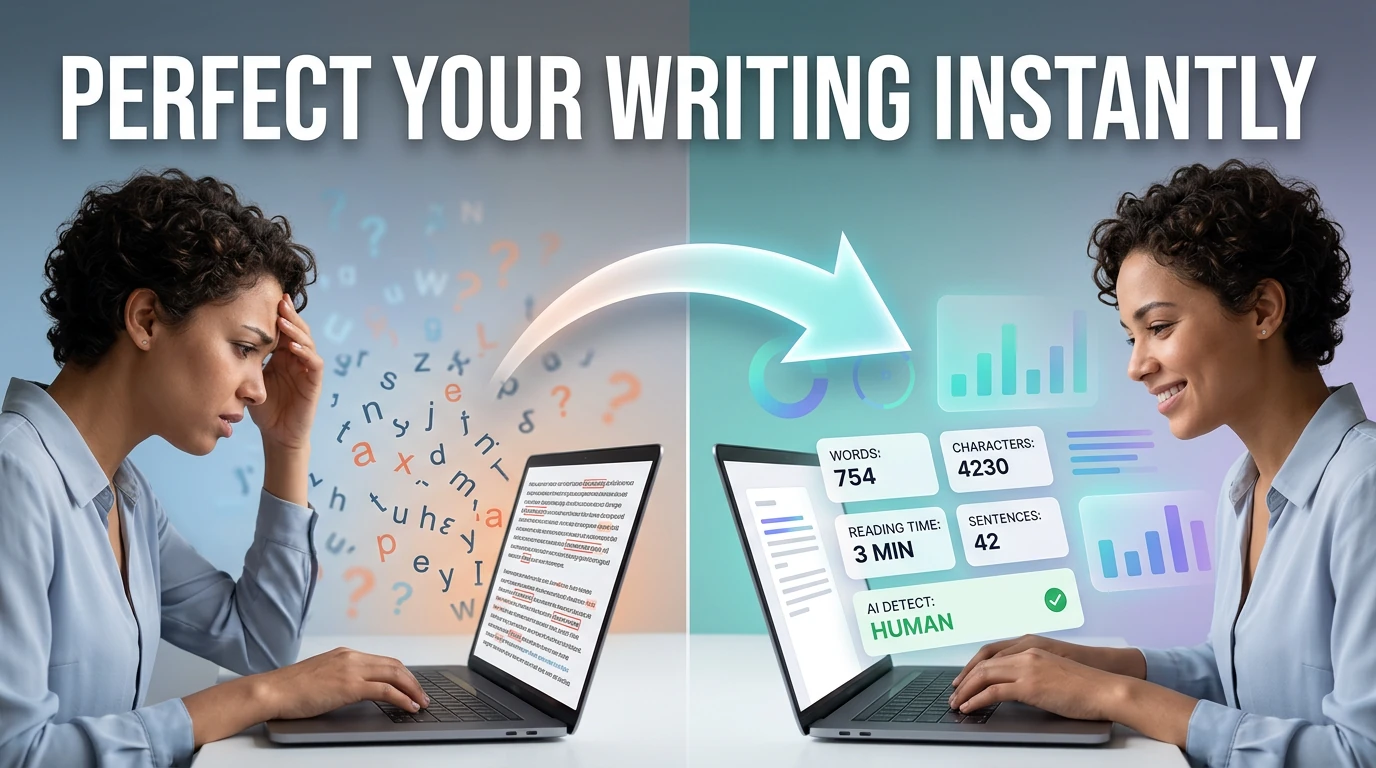
Count words, characters, sentences, and estimate reading time — with keyword density analysis.
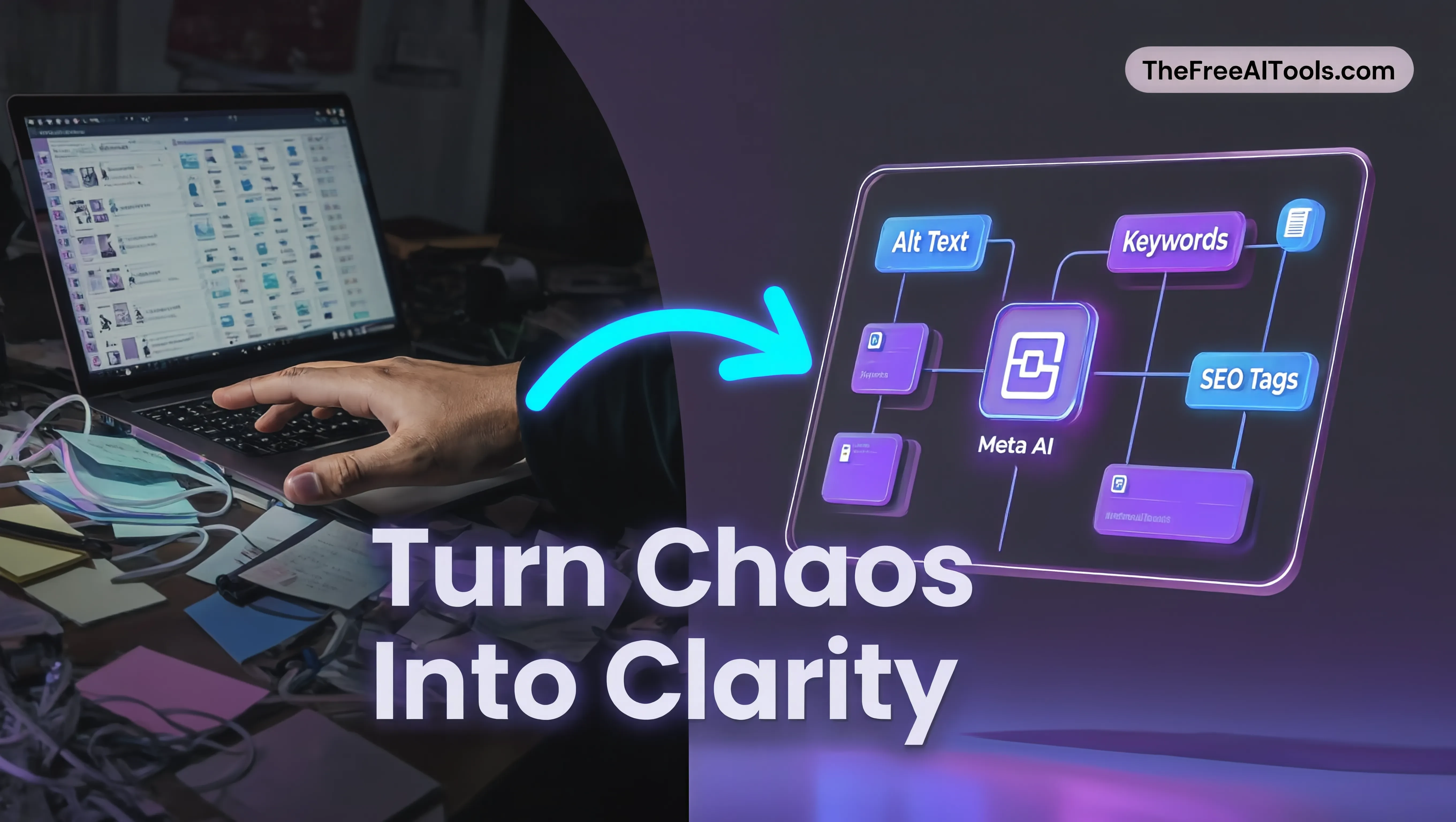
Generate SEO-friendly meta tags including Open Graph, Twitter Card, and canonical tags — copy-ready HTML with live preview.
Preview title tags, URLs, and meta descriptions in a Google-style search result layout — SEO snippet tool.
Review meta descriptions for character length and snippet-friendly ranges — bulk SEO meta audit tool.
Preview how Open Graph titles, descriptions, and images appear when shared on social media — OG tag tester.
Validate Twitter Card meta tags and preview card-style output — test X/Twitter link sharing appearance.
Generate valid JSON-LD for articles, organizations, products, FAQs, and local businesses with instant preview and rule checks. It helps SEO teams ship structured data faster without copy-pasting uncertain snippets.

Create canonical link tags for pages, product variants, and paginated URLs — prevent duplicate content issues.
Turn page titles into clean, readable, SEO-friendly URL slugs — remove stop words and special characters.
Estimate performance bottlenecks and Core Web Vitals from page metrics — lightweight Lighthouse simulator.
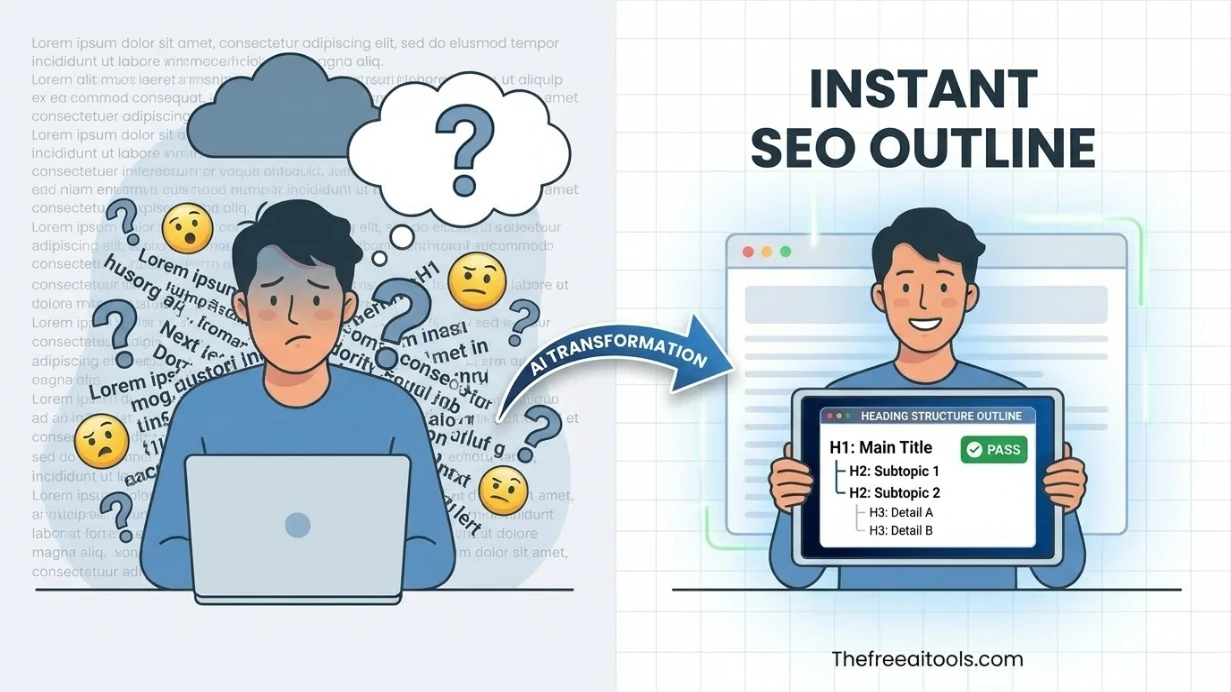
Audit pasted HTML for heading order, skipped levels, and document outline clarity — accessibility and SEO check.
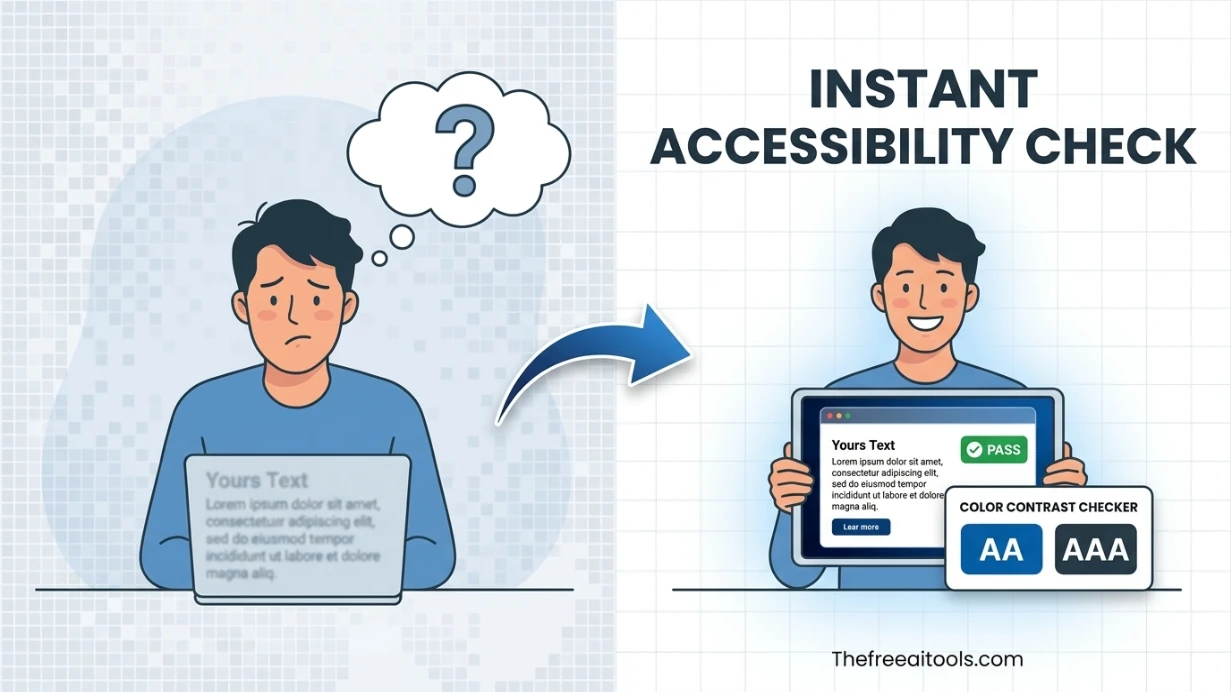
Check foreground and background color contrast against WCAG AA and AAA thresholds — accessibility audit tool.
Review image alt text for length, clarity, duplication, and decorative-image handling. It helps content teams write accessible image descriptions without relying on AI or third-party APIs.

Create consistent UTM URLs, validate naming conventions, and catch messy campaign tagging before links go live. It helps marketing teams keep analytics cleaner across channels and stakeholders.
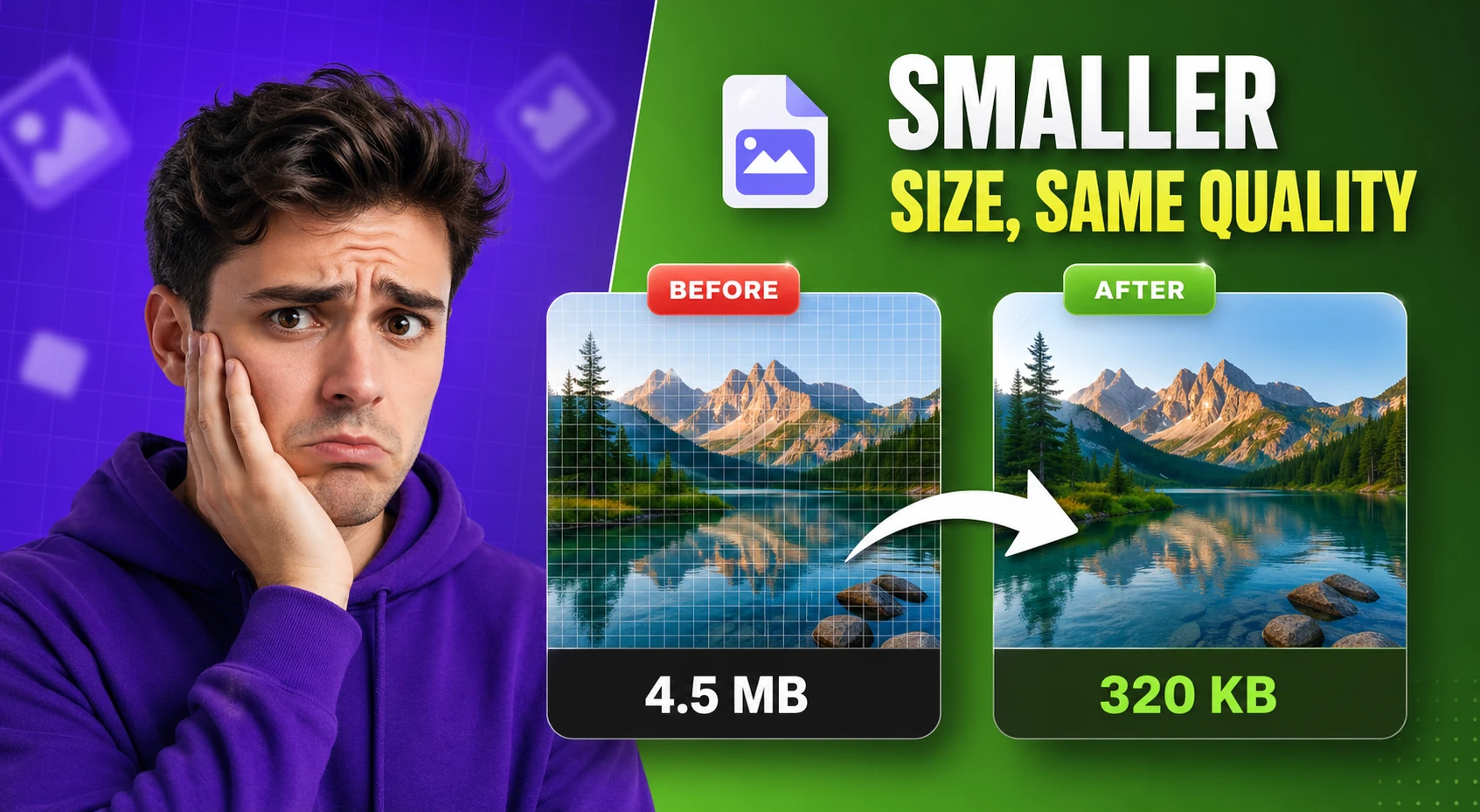
Compress and optimize images with adjustable quality and live preview — reduce file size for faster web performance.
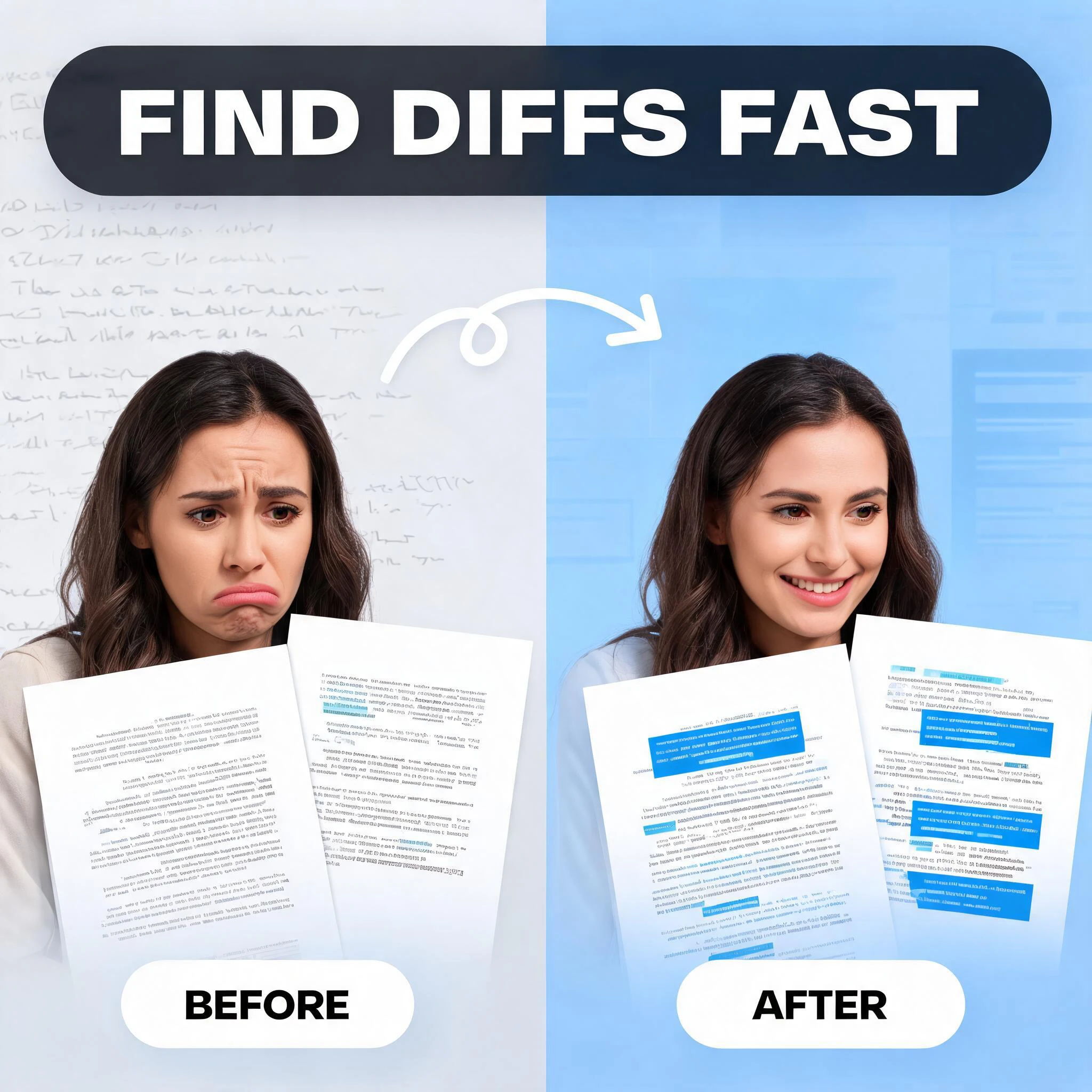
Compare two blocks of text and highlight additions and removals — visualize code and content changes instantly.

Analyze text and estimate the likelihood it was generated by AI — detects ChatGPT, Claude, Gemini, and more using AI.
Landing page optimization in 2026 sits at the intersection of copywriting, technical SEO, and paid search Quality Score management — three disciplines that most marketing teams treat separately but that are inextricably connected in practice. A landing page that wins on all three dimensions — compelling AI-assisted copy, technically correct metadata and structured data, and keyword alignment with the paid search ad — earns better organic rankings, lower CPCs, and higher conversion rates simultaneously. The free tools in this hub provide the utilities for all three optimization layers without requiring three separate paid platform subscriptions.
Headline optimization is the highest-leverage landing page copy element because it is the first thing every visitor reads and the primary factor determining whether they scroll further. A headline misaligned with the ad or search query that brought the visitor triggers immediate bounce. A headline that perfectly reflects the visitor's intent and promises a specific outcome earns continued engagement. The AI paraphrasing tool generates twenty headline variations from a single concept in seconds, providing a testing pool that most teams never have because writing that many variations manually is too time-consuming to prioritize.
Technical metadata for landing pages is frequently deprioritized in paid search contexts because most landing pages are not expected to rank organically. This is a missed opportunity in two ways: first, correctly configured landing pages can rank organically for long-tail queries that paid search does not efficiently cover; second, Google's Quality Score evaluates landing page experience including metadata relevance, canonical correctness, and structured data presence. Implementing correct metadata on paid search landing pages improves Quality Score, reduces CPC, and opens organic ranking opportunities simultaneously.
Color contrast and accessibility compliance on landing pages directly affects conversion rate through a mechanism most marketers do not consider: CTA button visibility. A 'Get started' button that fails WCAG 4.5:1 contrast ratio is not just an accessibility problem — it is literally harder for all users to see clearly on bright screens, in sunlight, and on lower-quality displays. The color contrast checker on this hub evaluates CTA button and headline contrast ratios against WCAG standards, ensuring that accessibility compliance and conversion optimization are addressed in the same check.
Quick answers about the workflow, privacy, and where this tool fits in a broader job.
High-converting landing pages in 2026 have a single, clear CTA above the fold, a headline that matches the ad or link that brought the visitor, body copy that addresses one specific objection, fast page load speed, and correct metadata for both SEO and paid search Quality Score. The tools in this hub optimize every one of these dimensions.
AI accelerates headline and CTA variation production, improves copy readability, removes mechanical-sounding language from AI drafts, and generates A/B test alternatives. The AI paraphrasing tool alone can produce twenty headline variations from a single concept — providing a full testing pool in minutes.
Every additional second of load time reduces landing page conversion rate by approximately 4.4% on mobile. The page speed simulator identifies the specific elements causing slow load times so they can be fixed before a paid campaign drives traffic to the page.
FAQPage schema is the most impactful for landing pages — it adds expandable FAQ sections in Google organic results and can appear alongside paid search results for branded queries. For product landing pages, Product schema adds price and availability directly to SERP displays.
Google's Quality Score algorithm rewards landing pages where the primary keyword from the ad group appears prominently in the page headline, body, and metadata. The keyword density checker confirms this alignment, and the meta tag generator ensures the page metadata reflects the same keyword intent as the ad copy.
The complete toolkit
Every tool runs instantly in your browser — no account, no download, no cost. Across 13 categories for everyday tasks.