Schema Markup Builder & Validator
Generate valid JSON-LD for articles, organizations, products, FAQs, and local businesses with instant preview and rule checks. It helps SEO teams ship structured data faster without copy-pasting uncertain snippets.
This hub collects the best free browser-based tools for voice search SEO optimization in — covering FAQ schema for voice answers, featured snippet targeting, conversational keyword implementation, readability for voice delivery, and structured data for AI assistant responses — all zero signup.
Updated · Reviewed by The Free AI Tools Editorial Team — Voice search SEO and AI answer engine optimization tools review
Generate valid JSON-LD for articles, organizations, products, FAQs, and local businesses with instant preview and rule checks. It helps SEO teams ship structured data faster without copy-pasting uncertain snippets.
Estimate Flesch-Kincaid readability and sentence complexity from text — optimize content grade level instantly.
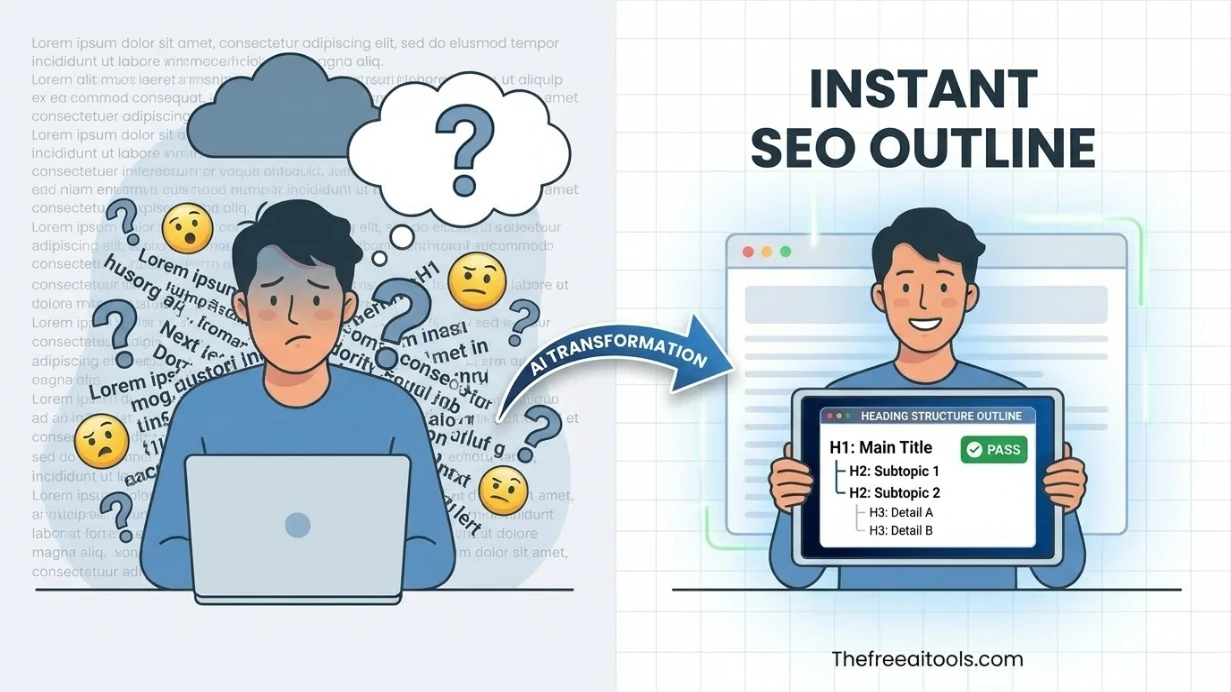
Audit pasted HTML for heading order, skipped levels, and document outline clarity — accessibility and SEO check.
Analyze repeated phrases and top keywords inside any text block — optimize content for search rankings.
Paraphrase and rewrite text using AI to sound natural, improve clarity, and bypass AI content detectors.
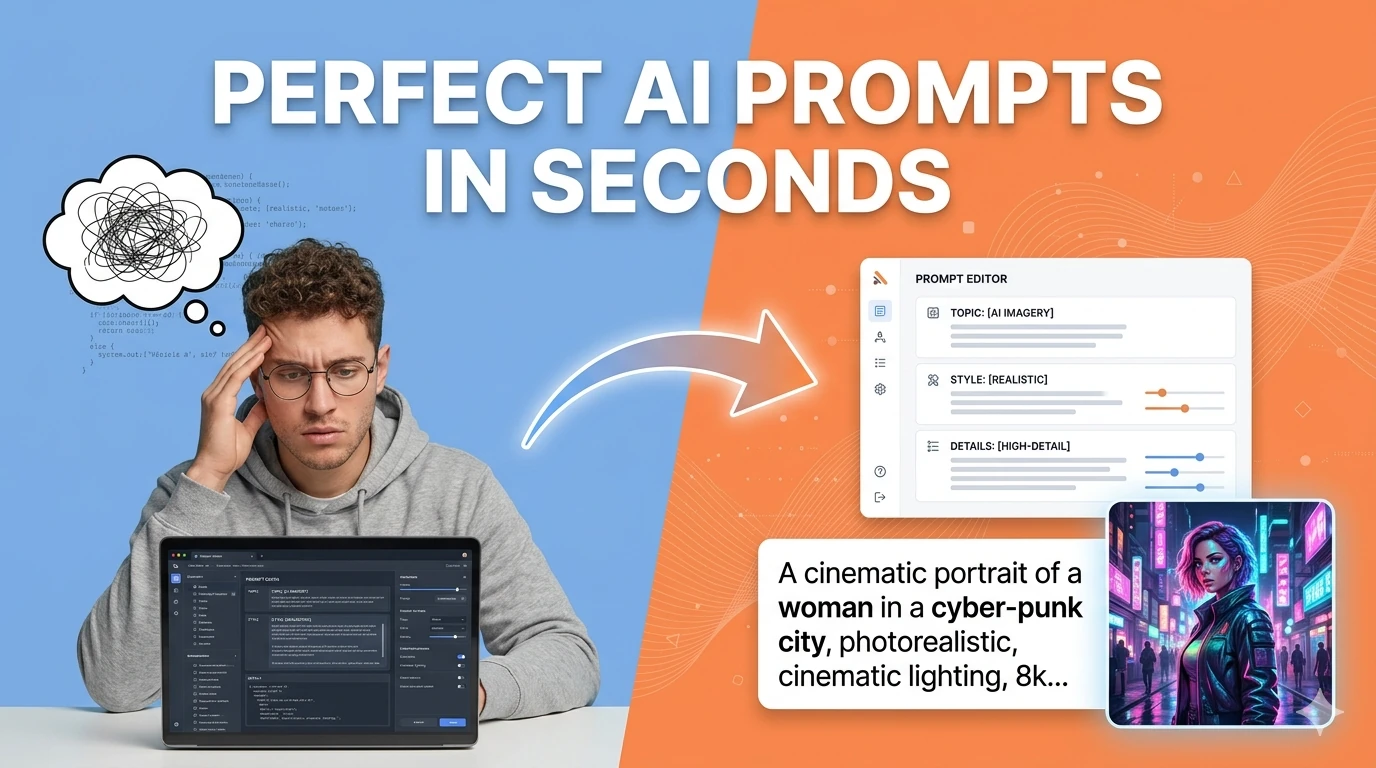
Turn simple ideas into highly detailed, optimized prompts for Midjourney, ChatGPT, Stable Diffusion, Claude, and DALL-E using AI.
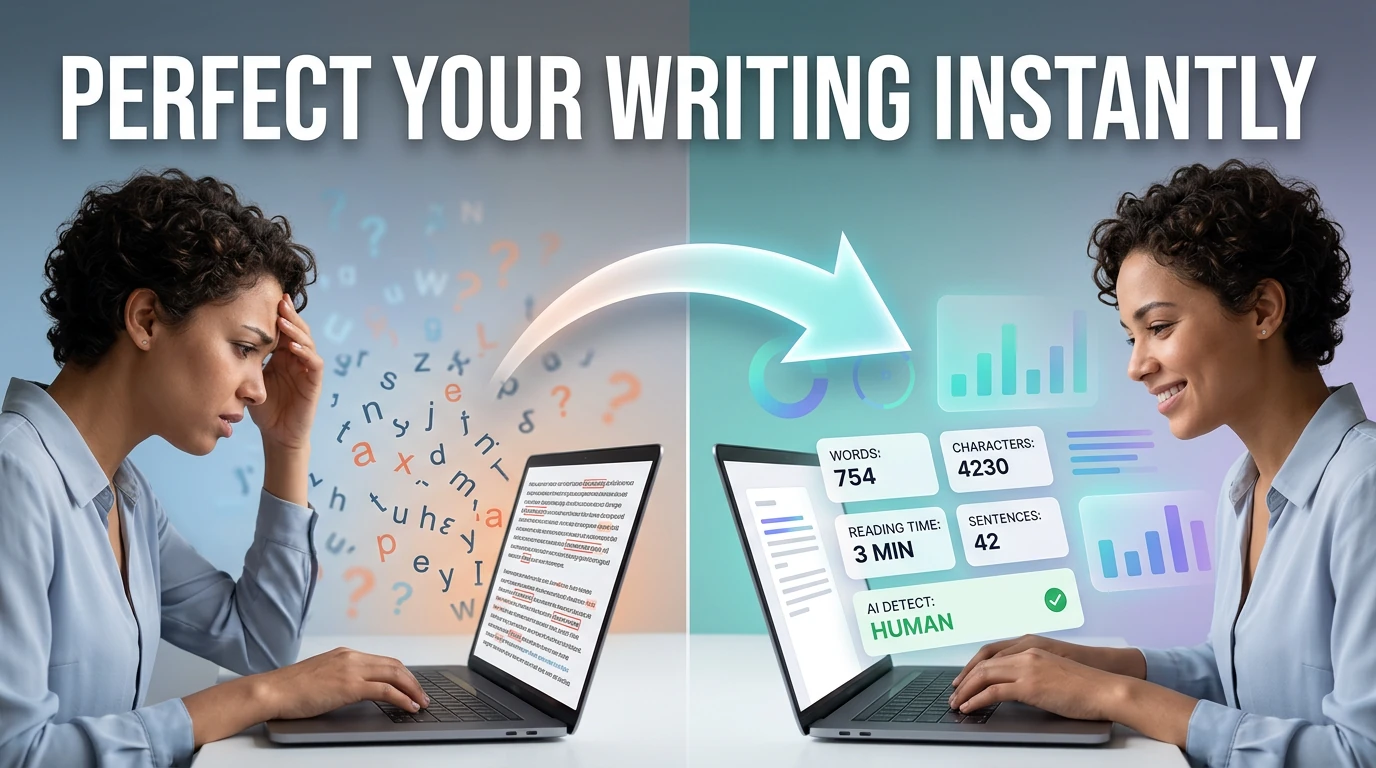
Count words, characters, sentences, and estimate reading time — with keyword density analysis.
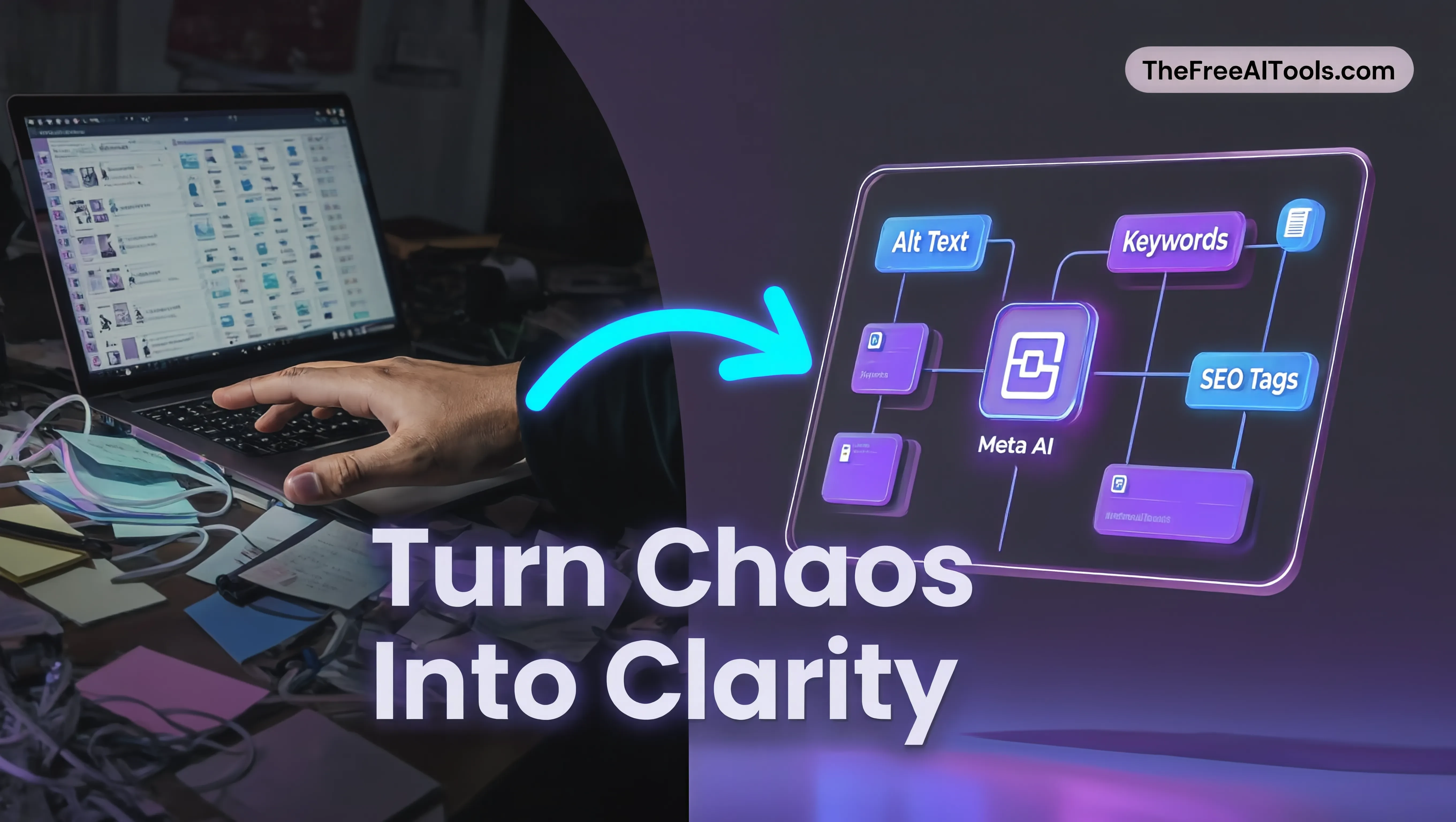
Generate SEO-friendly meta tags including Open Graph, Twitter Card, and canonical tags — copy-ready HTML with live preview.
Preview title tags, URLs, and meta descriptions in a Google-style search result layout — SEO snippet tool.
Review meta descriptions for character length and snippet-friendly ranges — bulk SEO meta audit tool.
Clean and humanize AI-generated text to sound natural and help bypass AI detectors — powered by AI.
Detect robotic writing patterns and rewrite AI-generated text into a more natural, human-sounding draft — runs entirely in your browser.
Turn page titles into clean, readable, SEO-friendly URL slugs — remove stop words and special characters.
Create canonical link tags for pages, product variants, and paginated URLs — prevent duplicate content issues.
Generate XML sitemaps from a list of URLs — set priorities, change frequencies, and download instantly.
Create robots.txt files for your website — control search engine crawlers, disallow paths, and set sitemaps.
Estimate performance bottlenecks and Core Web Vitals from page metrics — lightweight Lighthouse simulator.

Preview how Open Graph titles, descriptions, and images appear when shared on social media — OG tag tester.
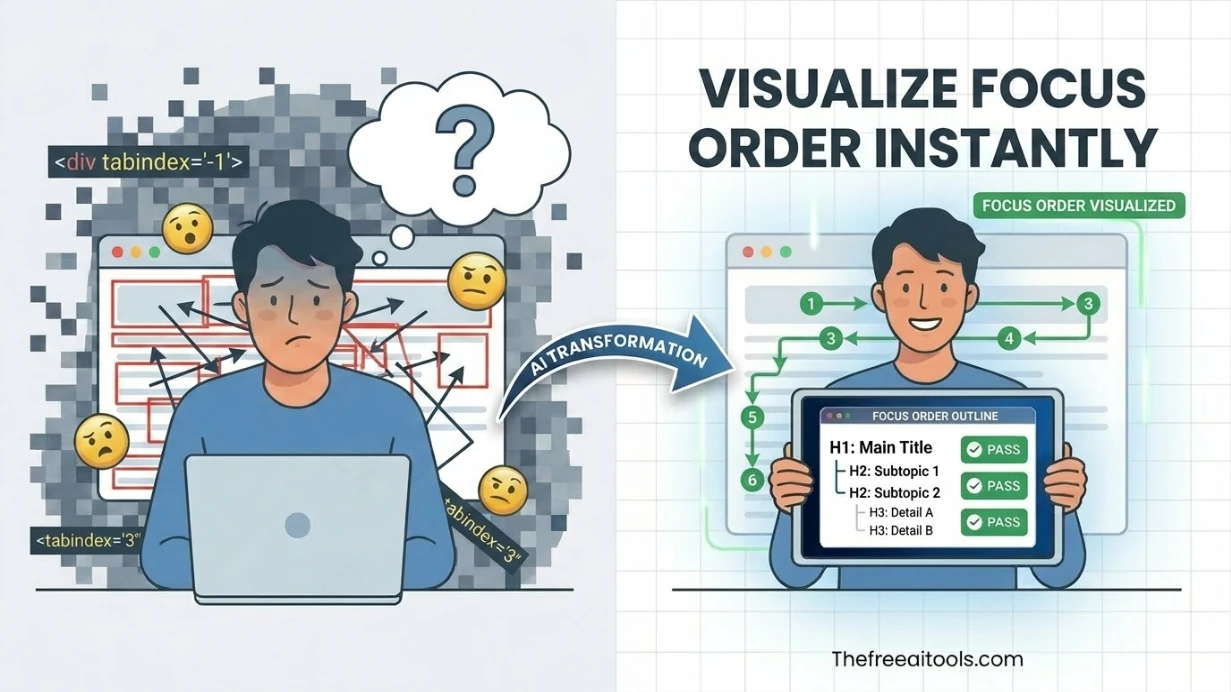
Review image alt text for length, clarity, duplication, and decorative-image handling. It helps content teams write accessible image descriptions without relying on AI or third-party APIs.
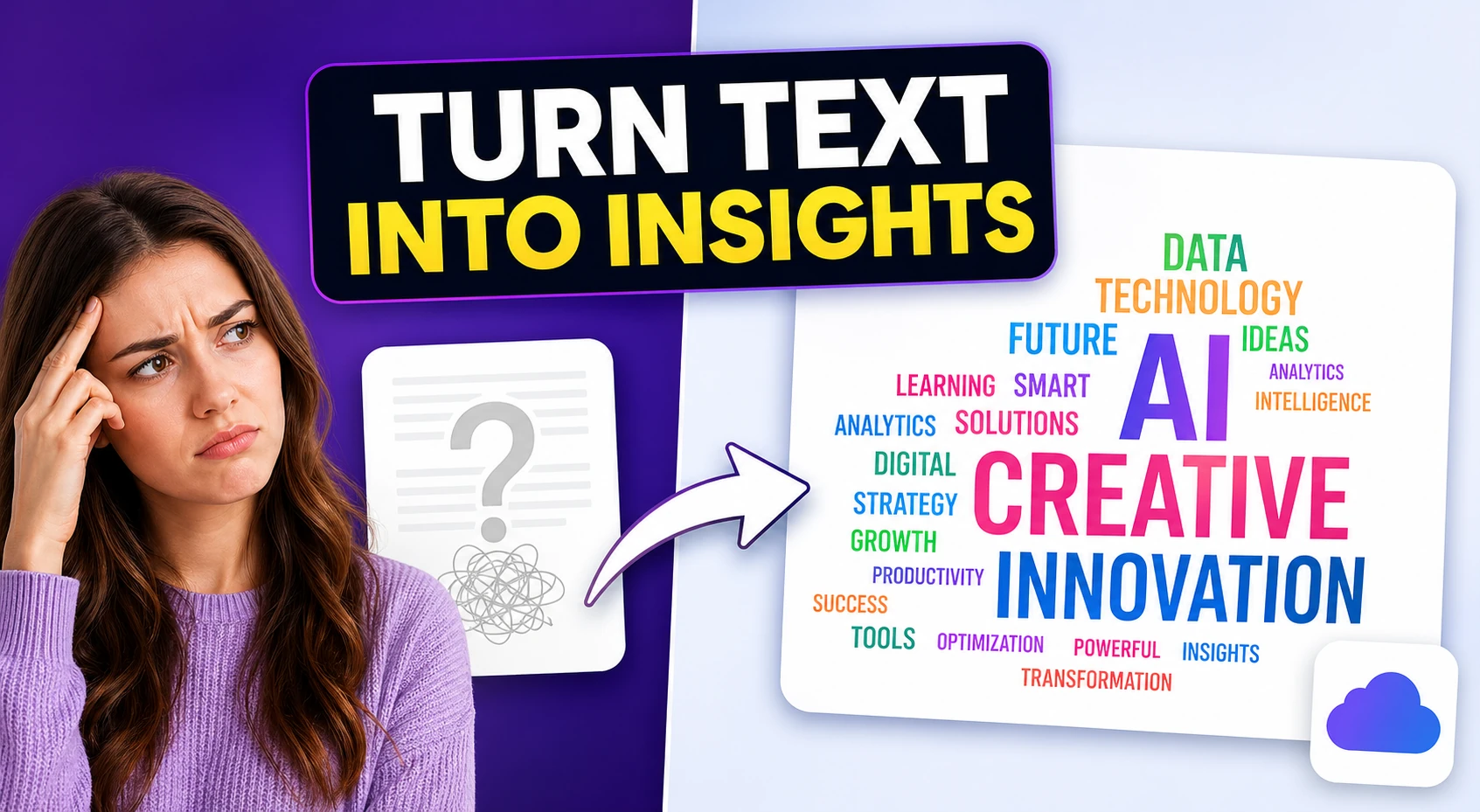
Create a visual SVG word cloud from any text input — great for content analysis, presentations, and data visualization.
Voice search SEO in 2026 has expanded beyond smart speakers to encompass every AI-powered answer interface: Google's AI Overviews, Bing Copilot, Perplexity, ChatGPT web search, and the native AI assistants embedded in every smartphone. The content that gets surfaced by these AI answer systems shares the same technical characteristics as voice search optimized content: structured FAQ schema that makes content machine-readable as question-answer pairs, conversational sentence structure that reads naturally when spoken aloud, and direct answers in the first paragraph that AI systems can extract without parsing complex prose.
Featured snippet optimization is the technical SEO practice most directly connected to voice search performance. Google's voice assistant and AI Overviews both draw answers preferentially from featured snippets — the boxed content that appears above organic results for question-format queries. Pages that earn featured snippets for their target questions are also the pages that voice assistants quote for those questions. The schema markup builder and readability tools on this hub provide the two technical foundations for featured snippet eligibility: FAQPage structured data and Grade 7-9 readability that makes content suitable for voice delivery.
Question-format content structure is the content architecture shift required for voice search SEO in 2026. Standard blog content follows a narrative structure with continuous prose paragraphs. Voice-optimized content follows a question-answer structure: each major section opens with a specific question as the H2 or H3 heading, followed immediately by a direct 40-60 word answer, then supporting explanation. The heading structure analyzer on this hub reveals whether content has question-format headings, and the word counter confirms that opening answers in each section are concise enough for voice delivery.
Page speed is disproportionately important for voice search performance because voice assistants prioritize fast-loading sources when selecting answers to read. A correct, well-structured answer on a slow page will be passed over by a slightly less perfect answer on a fast page in voice assistant source selection. The page speed simulator on this hub identifies Core Web Vitals failures on voice-search-targeted pages, and the image compressor addresses the most common speed bottleneck for pages that use visual content alongside voice-optimized text.
Quick answers about the workflow, privacy, and where this tool fits in a broader job.
Voice search queries are conversational, longer, and question-based — 'What is the best free SEO tool for beginners' rather than 'free seo tools beginners'. Content optimized for voice search targets question-format queries, uses conversational language at low readability complexity, and implements FAQ schema that Google reads as direct voice answer candidates.
FAQPage schema is the most directly impactful schema type for voice search. Google's voice assistants preferentially pull answers from pages with structured FAQ markup when responding to question-format queries. The schema markup builder on this hub generates complete FAQPage JSON-LD from any set of questions and answers.
Featured snippet content for voice search follows a specific pattern: the question as a heading (H2 or H3), followed immediately by a direct 40-60 word answer in the first paragraph. Use the heading structure analyzer to verify question-format headings, and the word counter to confirm answer length. The readability tool confirms the answer is at a Grade 7-9 reading level appropriate for voice delivery.
Voice search answers are read aloud by AI assistants, making sentence complexity more impactful than in visual reading contexts. Target a Flesch-Kincaid Grade Level of 7-9 for voice search content. Sentences longer than twenty words sound awkward when spoken aloud. The readability calculator identifies sentences that exceed this threshold.
In 2026, AI answer engines — Google's AI Overviews, Perplexity, ChatGPT web search, and voice assistants — all source answers from structured, authoritative web content. Optimizing for voice search and AI answer engines uses the same techniques: FAQ schema, clear question-format headings, concise direct answers, and high E-E-A-T signals.
The complete toolkit
Every tool runs instantly in your browser — no account, no download, no cost. Across 13 categories for everyday tasks.