Keyword Density Checker
Analyze repeated phrases and top keywords inside any text block — optimize content for search rankings.
This hub collects the best free browser-based tools for Pinterest SEO in — optimizing pin descriptions, board titles, image quality, alt text, and link metadata to maximize discovery and traffic from Pinterest search — zero signup required.
Updated · Reviewed by The Free AI Tools Editorial Team — Pinterest SEO and visual marketing tools review
Analyze repeated phrases and top keywords inside any text block — optimize content for search rankings.
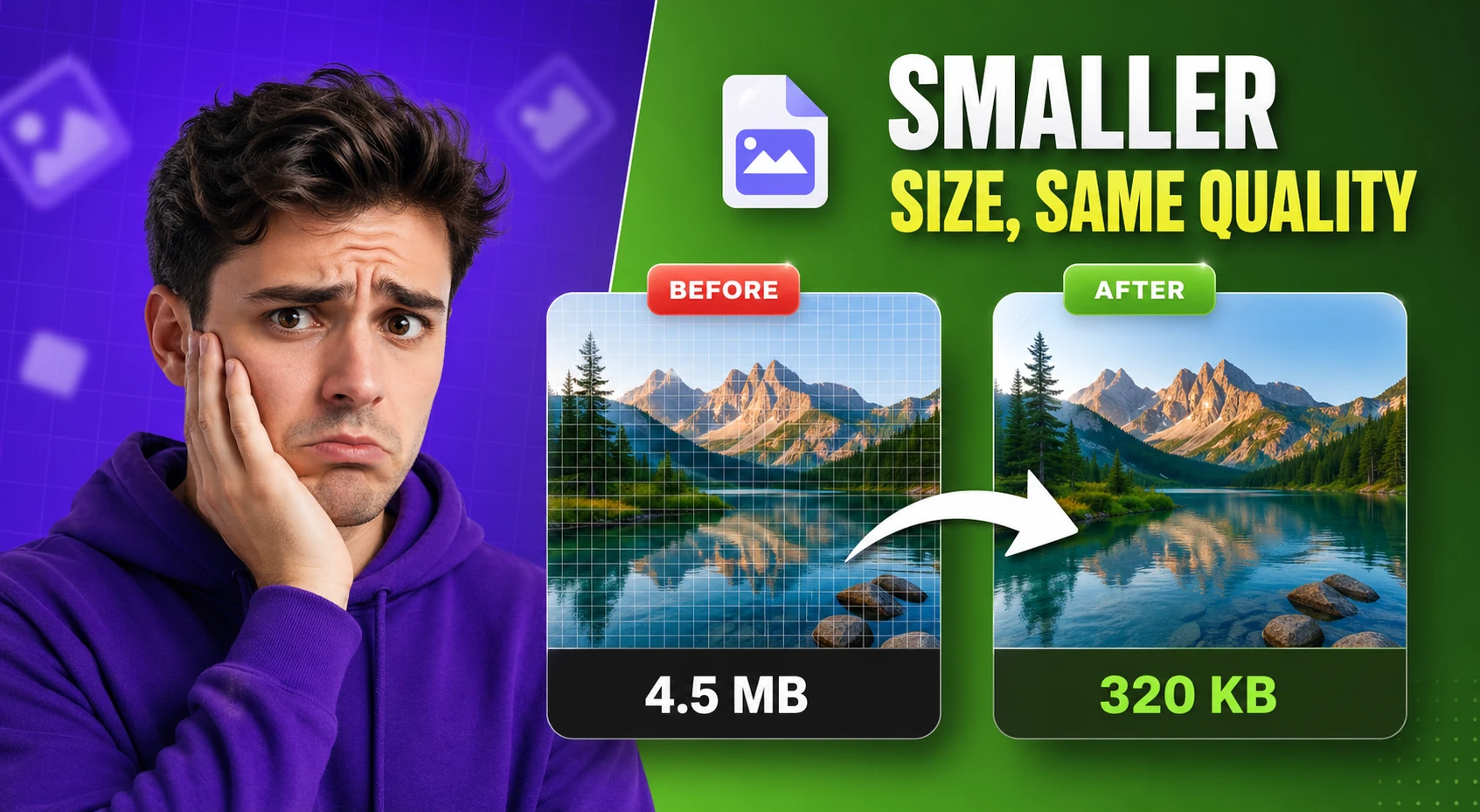
Compress and optimize images with adjustable quality and live preview — reduce file size for faster web performance.

Resize images to preset or custom dimensions — social media presets, pixel-perfect, and percentage-based scaling.
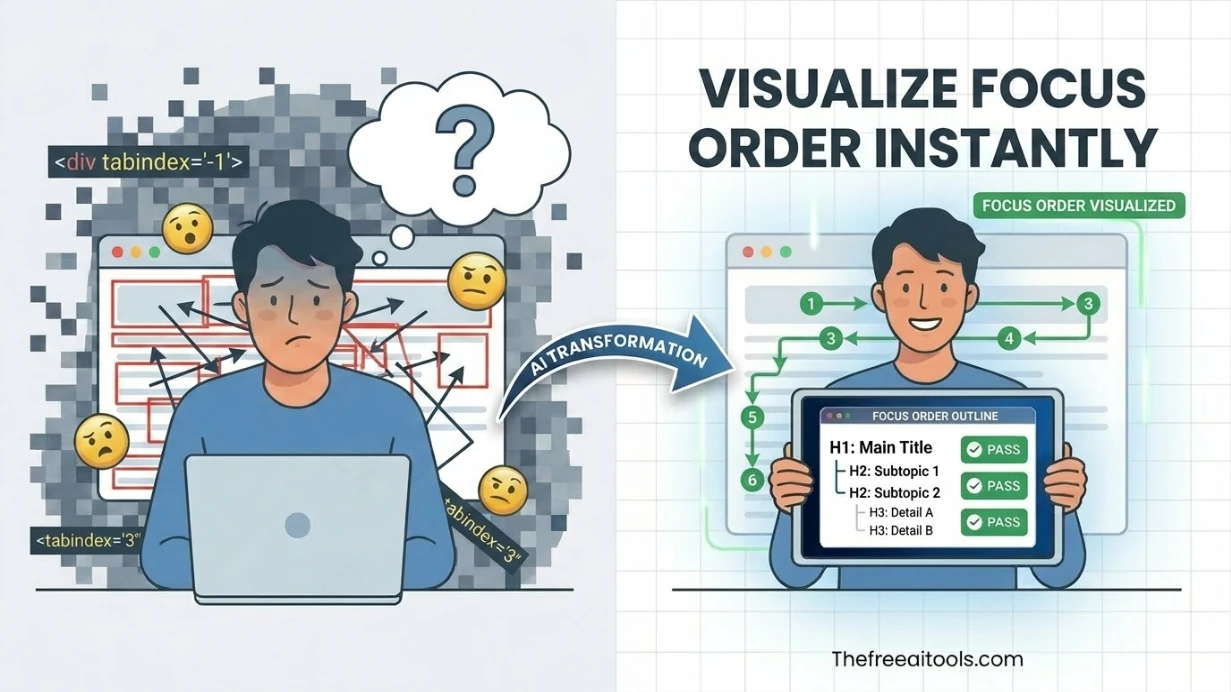
Review image alt text for length, clarity, duplication, and decorative-image handling. It helps content teams write accessible image descriptions without relying on AI or third-party APIs.

Preview how Open Graph titles, descriptions, and images appear when shared on social media — OG tag tester.
Turn page titles into clean, readable, SEO-friendly URL slugs — remove stop words and special characters.

Estimate Flesch-Kincaid readability and sentence complexity from text — optimize content grade level instantly.
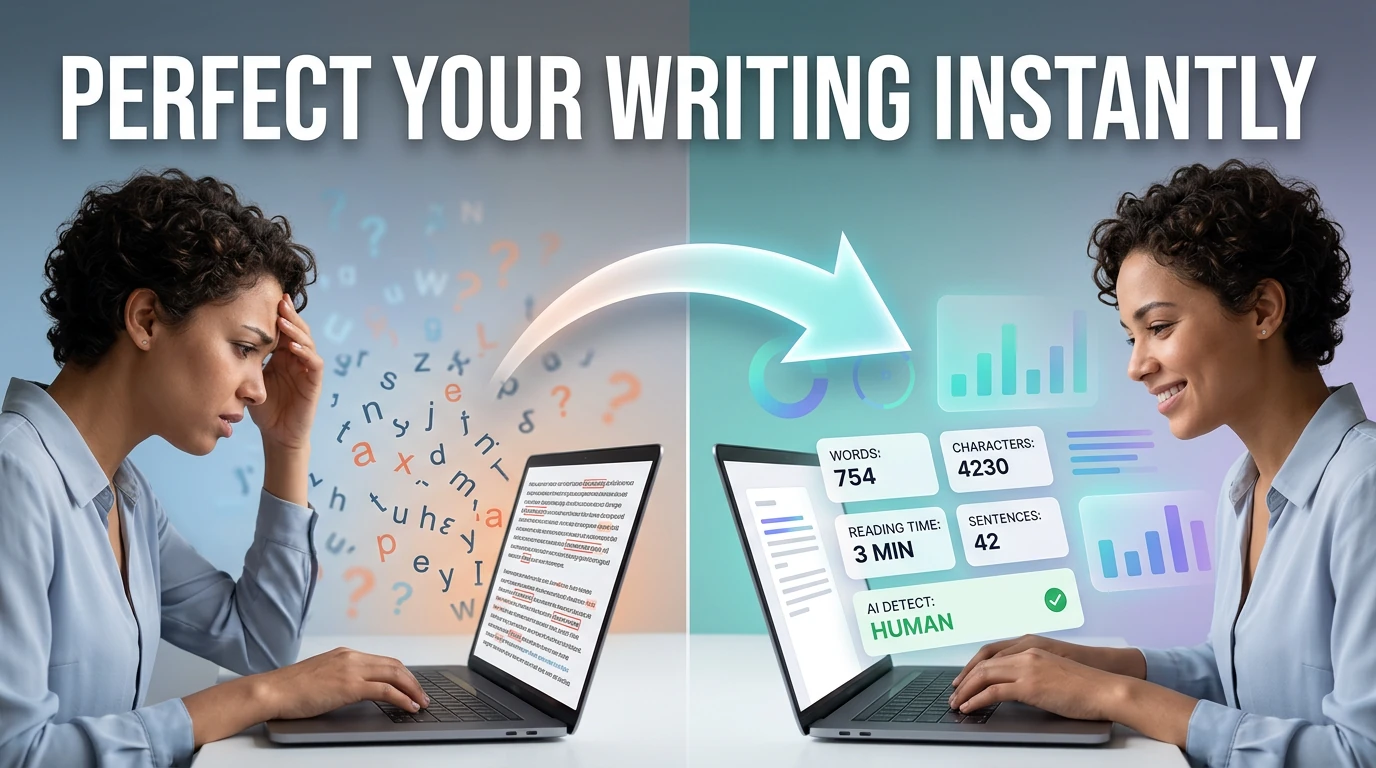
Count words, characters, sentences, and estimate reading time — with keyword density analysis.

Paraphrase and rewrite text using AI to sound natural, improve clarity, and bypass AI content detectors.
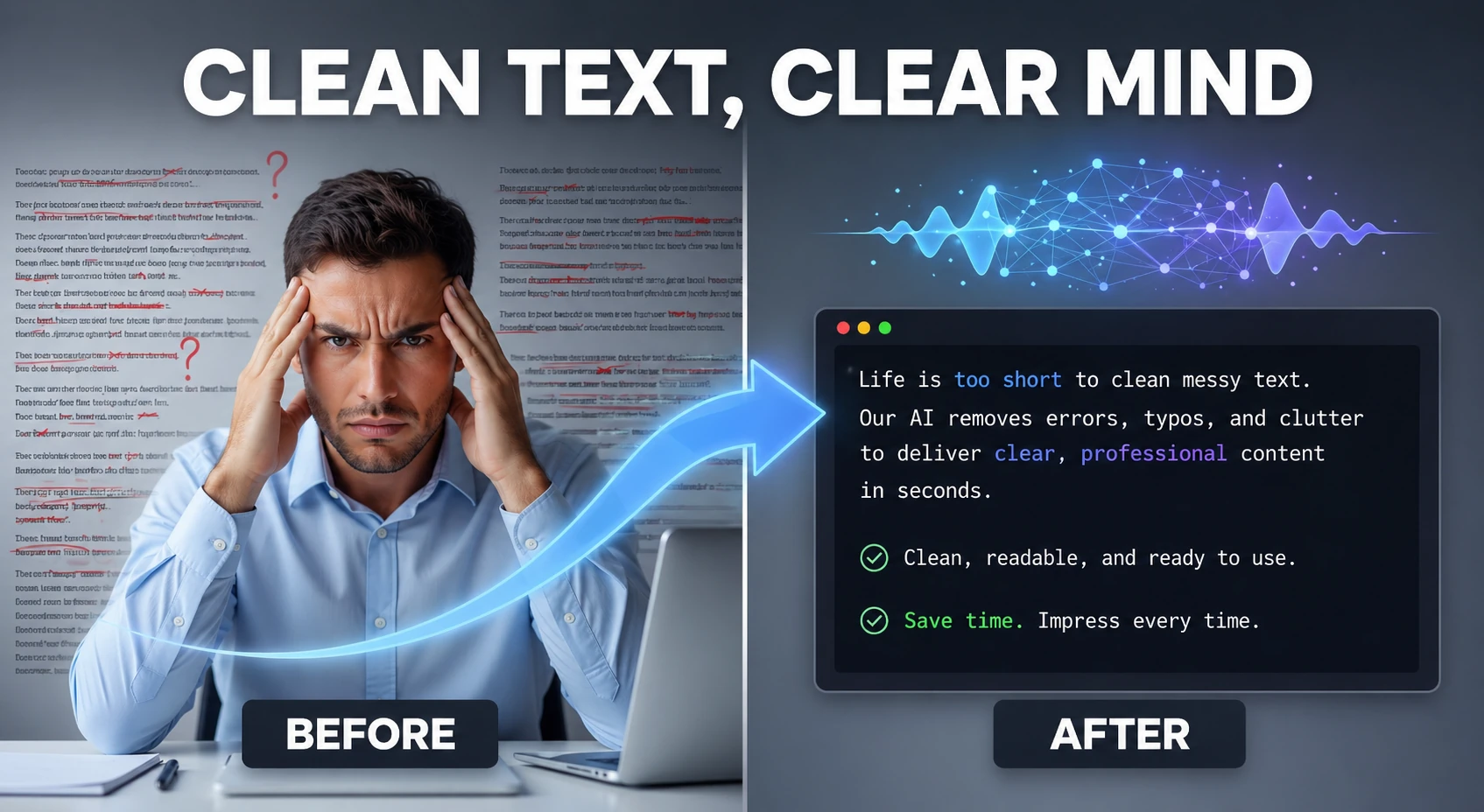
Clean and humanize AI-generated text to sound natural and help bypass AI detectors — powered by AI.
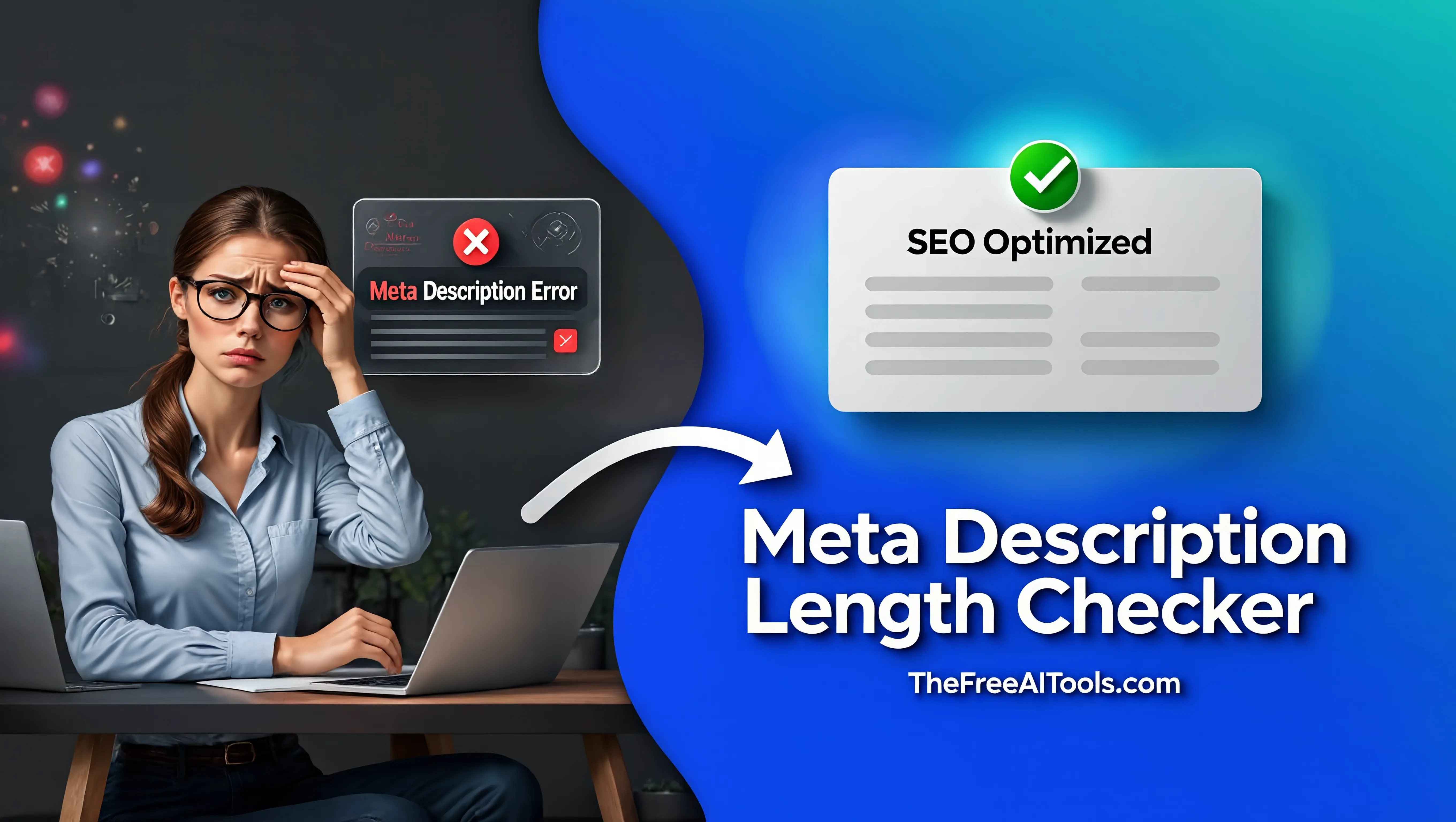
Review meta descriptions for character length and snippet-friendly ranges — bulk SEO meta audit tool.
Pick colors and convert between HEX, RGB, and HSL formats — with live preview and clipboard copy.
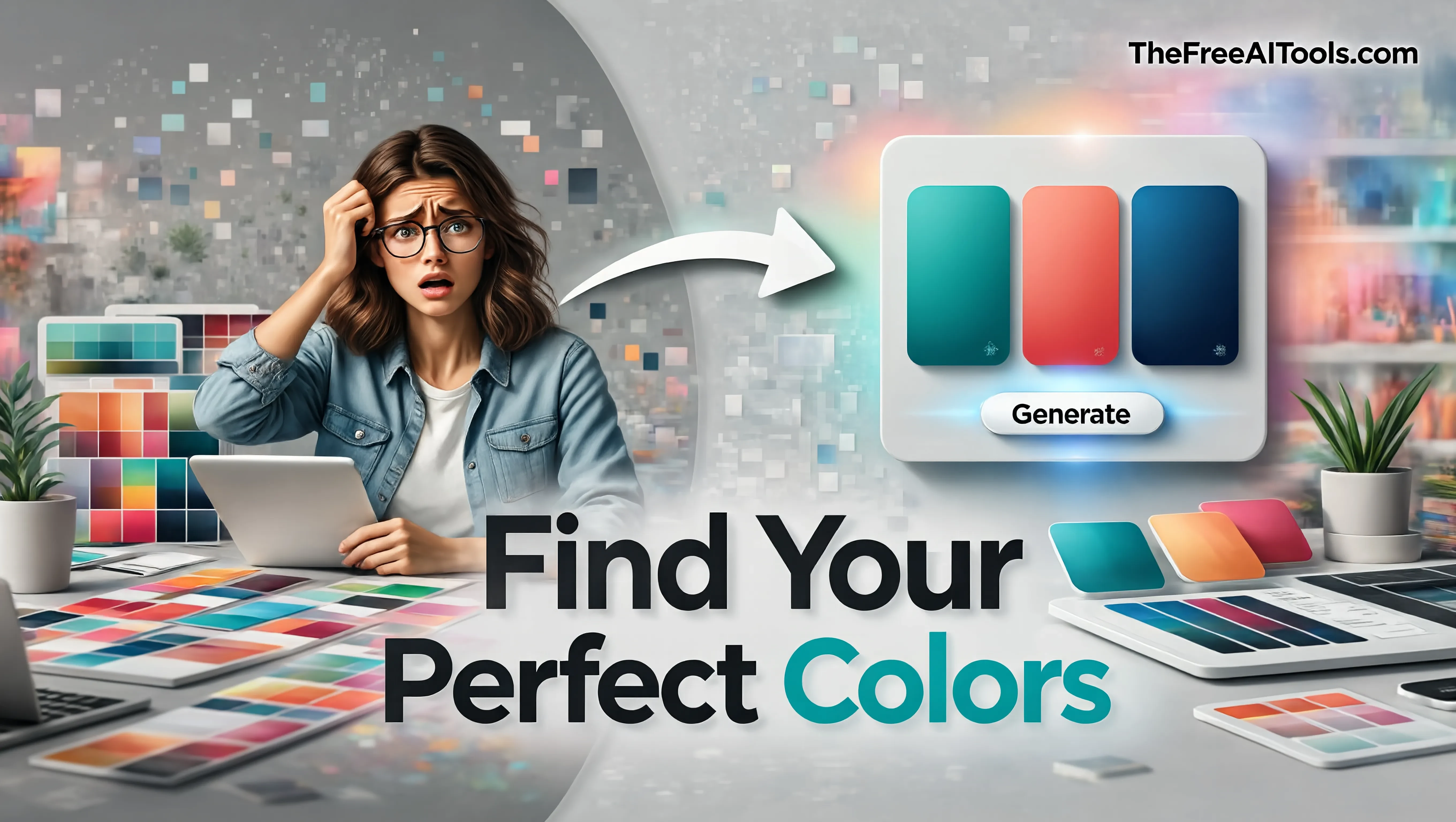
Extract a color palette from pasted CSS or HTML color values — build brand color systems instantly.
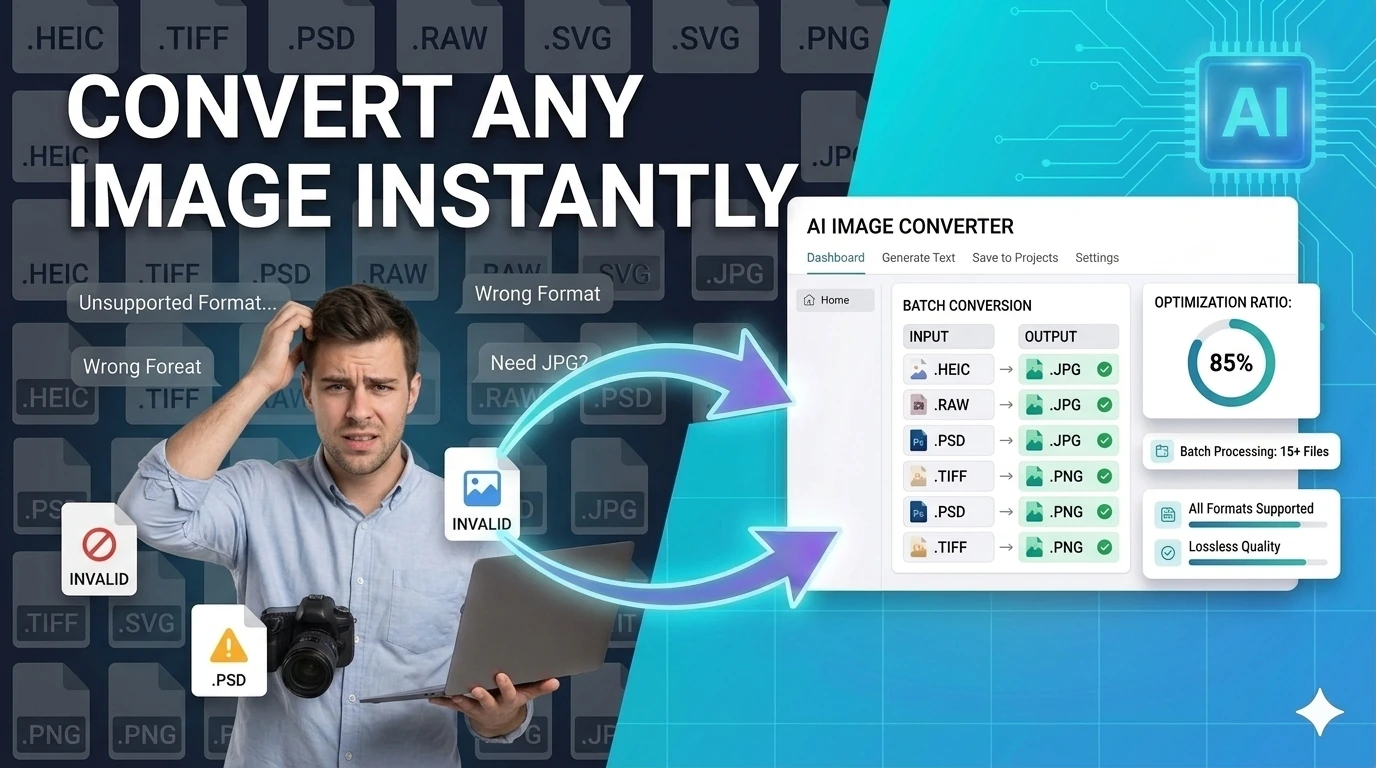
Convert images between JPG, PNG, WebP, ICO, and AVIF formats instantly in your browser — no upload required.
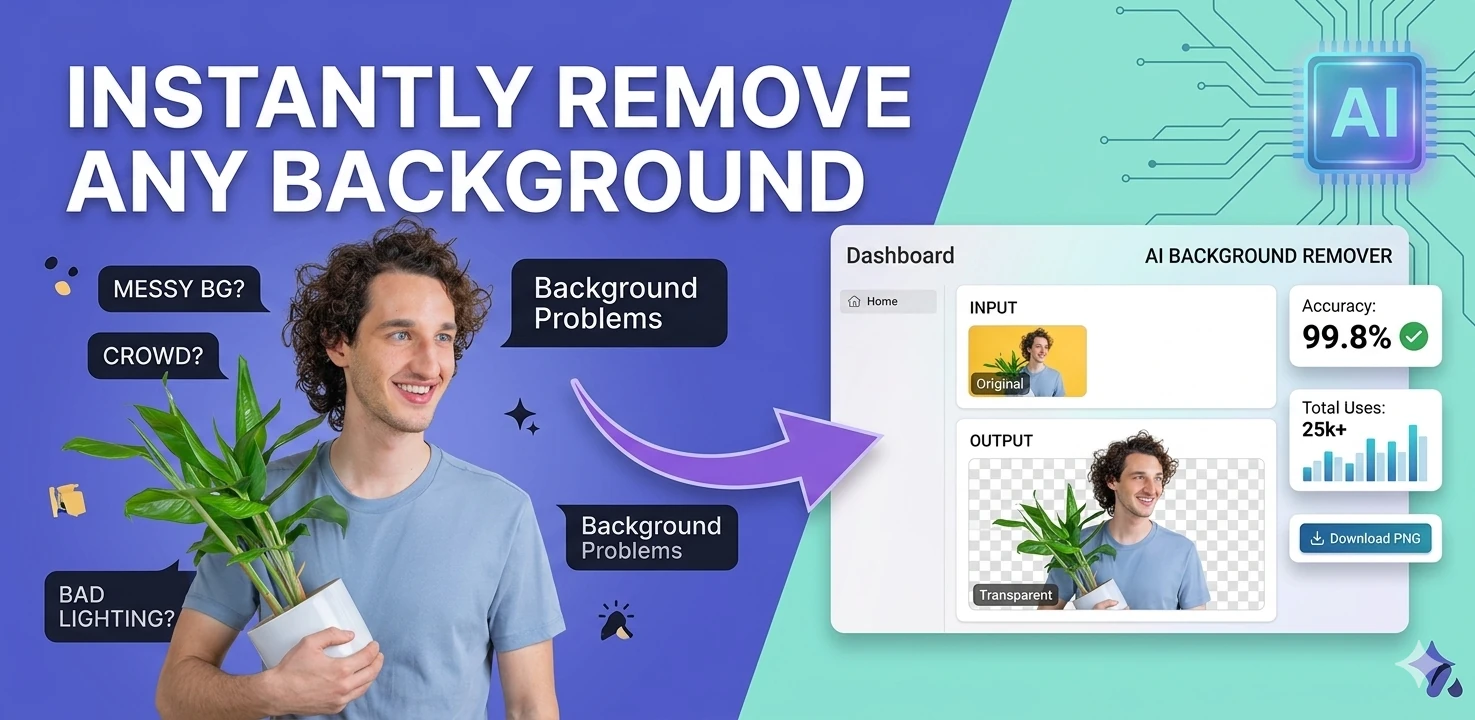
Remove image backgrounds in the browser with color picking, flood fill, and edge-aware controls — client-side, no upload.

Replace image backgrounds with a solid color, gradient, or uploaded image — browser-based compositing, no upload required.
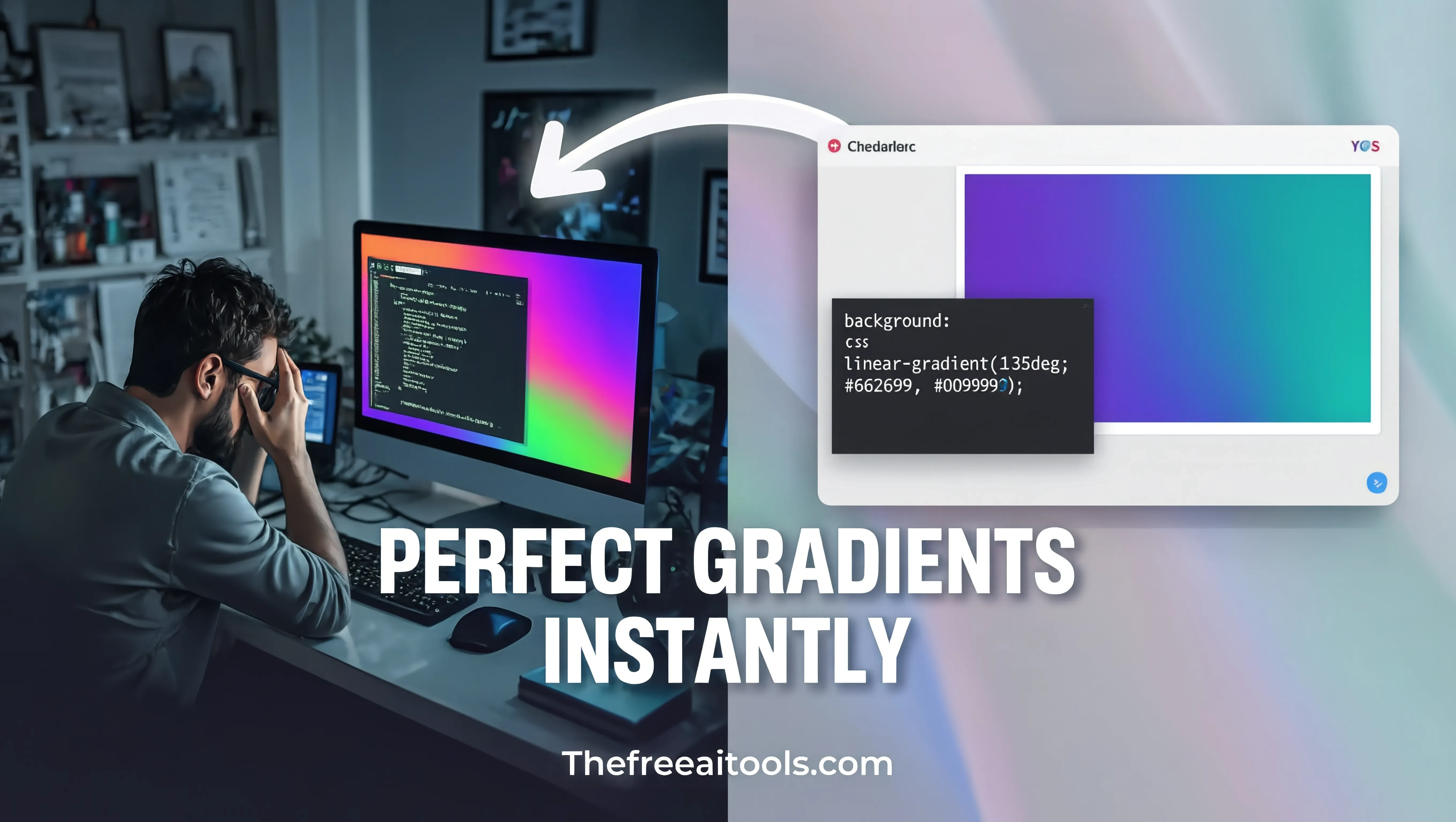
Create linear and radial gradients with multiple color stops — copy ready-to-use CSS background-image code.
Generate multi-size favicon assets from an uploaded source image — download ICO, PNG, and Apple touch icon formats.

Turn simple ideas into highly detailed, optimized prompts for Midjourney, ChatGPT, Stable Diffusion, Claude, and DALL-E using AI.
Create a visual SVG word cloud from any text input — great for content analysis, presentations, and data visualization.
Pinterest SEO in 2026 is one of the most underutilized traffic channels for content creators, bloggers, and e-commerce brands. While most digital marketers focus their SEO efforts entirely on Google, Pinterest operates as its own visual search engine with over 500 million monthly active users performing intentional discovery searches. A well-optimized Pinterest presence can drive consistent, compounding traffic to your website over months and years — unlike social media platforms where reach decays within hours of posting.
Image quality and dimensions are the Pinterest SEO foundation that all other optimizations build on. Pinterest is a visual platform — a low-quality, incorrectly sized, or poorly designed pin will not earn saves regardless of how well-optimized the description is. The image resizer ensures pins meet Pinterest's recommended 2:3 ratio, the image compressor reduces file size without visible quality loss, the background remover creates clean product shots, and the color palette extractor helps creators build a consistent visual brand that makes their pins instantly recognizable in the feed.
Pinterest keyword research and description optimization follow different rules from Google content optimization. Pinterest users search with discovery intent — they are looking for ideas, inspiration, and solutions rather than specific information. Descriptions should read naturally and convey value while weaving in keyword phrases that match how users search the platform. The keyword density checker confirms natural keyword integration, while the AI paraphrasing tool helps rewrite stiff, over-optimized descriptions into natural, engaging language that earns saves.
Link metadata is the connection between Pinterest and your website's SEO. When a pin links back to your website, the Open Graph tags on that destination page determine the pin's title and description when saved — and those metadata fields become part of Pinterest's keyword index for that pin. Verifying your Open Graph metadata is correctly configured using the open graph preview tool ensures that every pin saved from your site starts with accurate, keyword-relevant metadata rather than a blank or auto-generated title that does not match your content.
Quick answers about the workflow, privacy, and where this tool fits in a broader job.
Pinterest operates as a visual search engine. Its algorithm ranks pins based on keyword relevance in pin titles, descriptions, board names, and image alt text, combined with engagement signals like saves, clicks, and close-ups. Optimizing these text elements with relevant keywords is the primary Pinterest SEO lever.
Pinterest recommends a 2:3 aspect ratio with a minimum width of 1000 pixels — commonly 1000x1500px or 1200x1800px. Use the image resizer on this hub to produce pins at exactly these dimensions, and the image compressor to keep file size under 20MB.
Paste your pin description into the keyword density checker to confirm your primary keyword phrase appears naturally without over-stuffing. Pinterest descriptions up to 500 characters benefit from one to two keyword mentions in natural, readable prose.
Yes. When pins are saved from a website, Pinterest reads the image alt text as part of the pin's keyword data. Writing keyword-relevant alt text on your website images improves how Pinterest categorizes and surfaces your saved pins in search results.
Pinterest reads Open Graph metadata when users save content from your website. The og:image, og:title, and og:description tags determine what pin title and image are pre-populated when someone saves your page. The open graph preview tool verifies these tags are correctly set.
The complete toolkit
Every tool runs instantly in your browser — no account, no download, no cost. Across 13 categories for everyday tasks.