
Open Graph Preview Tool
Preview how Open Graph titles, descriptions, and images appear when shared on social media — OG tag tester.
This hub gathers the best free browser-based tools for Facebook SEO and content optimization in — covering open graph link previews, post readability, UTM tracking, image optimization, and AI-assisted post writing — all zero signup.
Updated · Reviewed by The Free AI Tools Editorial Team — Facebook SEO and social media tools review
Preview how Open Graph titles, descriptions, and images appear when shared on social media — OG tag tester.
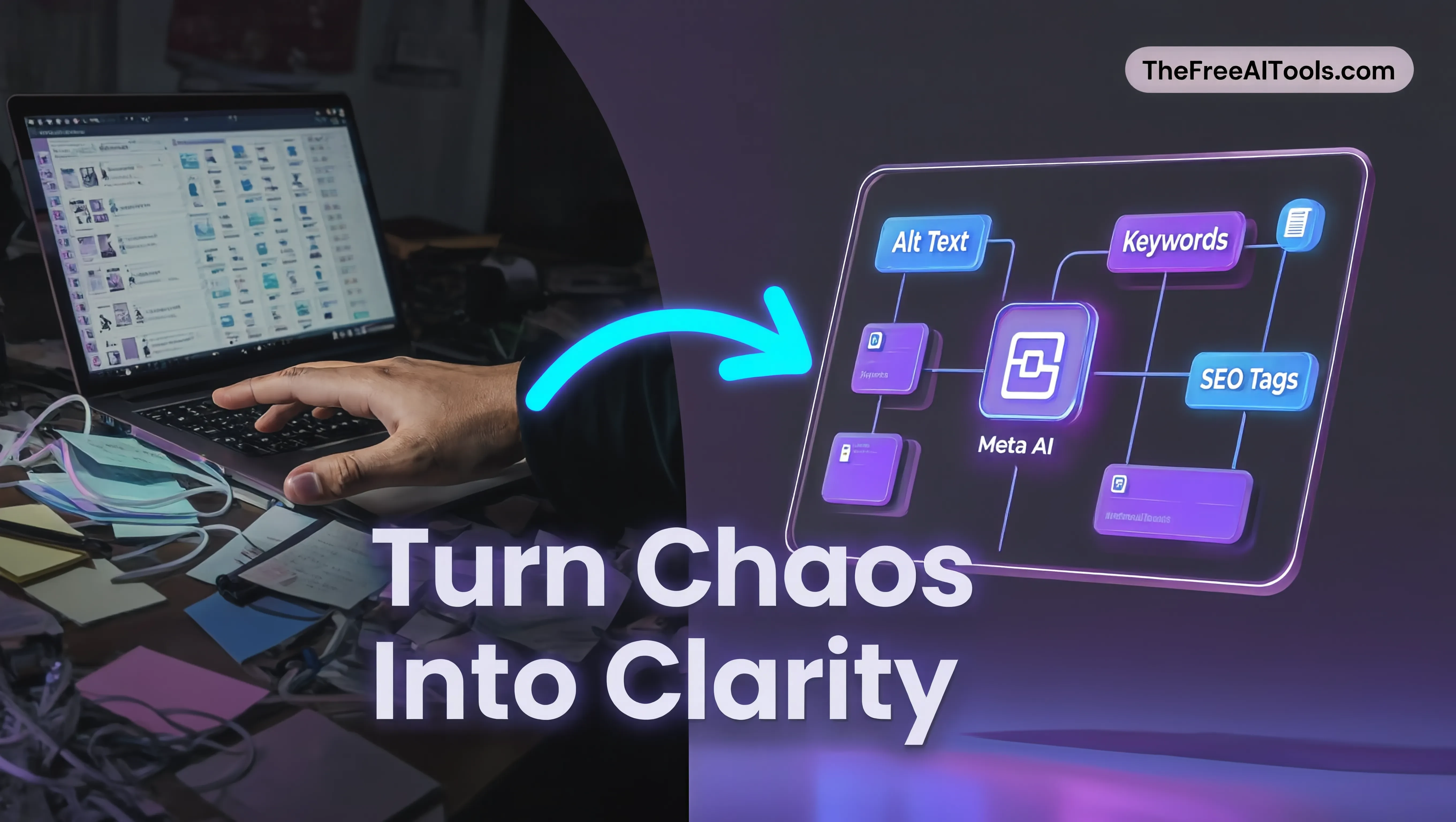
Generate SEO-friendly meta tags including Open Graph, Twitter Card, and canonical tags — copy-ready HTML with live preview.

Create consistent UTM URLs, validate naming conventions, and catch messy campaign tagging before links go live. It helps marketing teams keep analytics cleaner across channels and stakeholders.
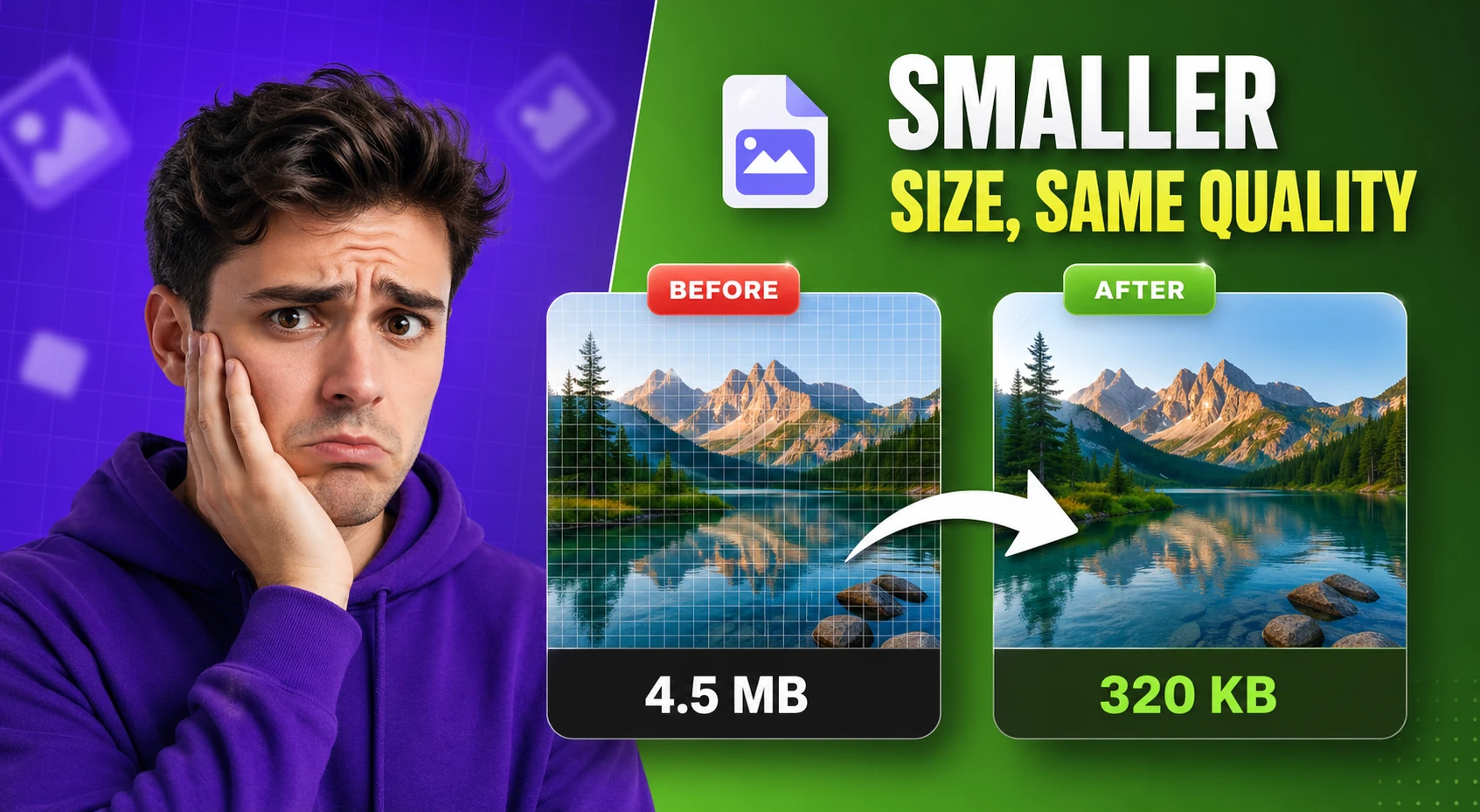
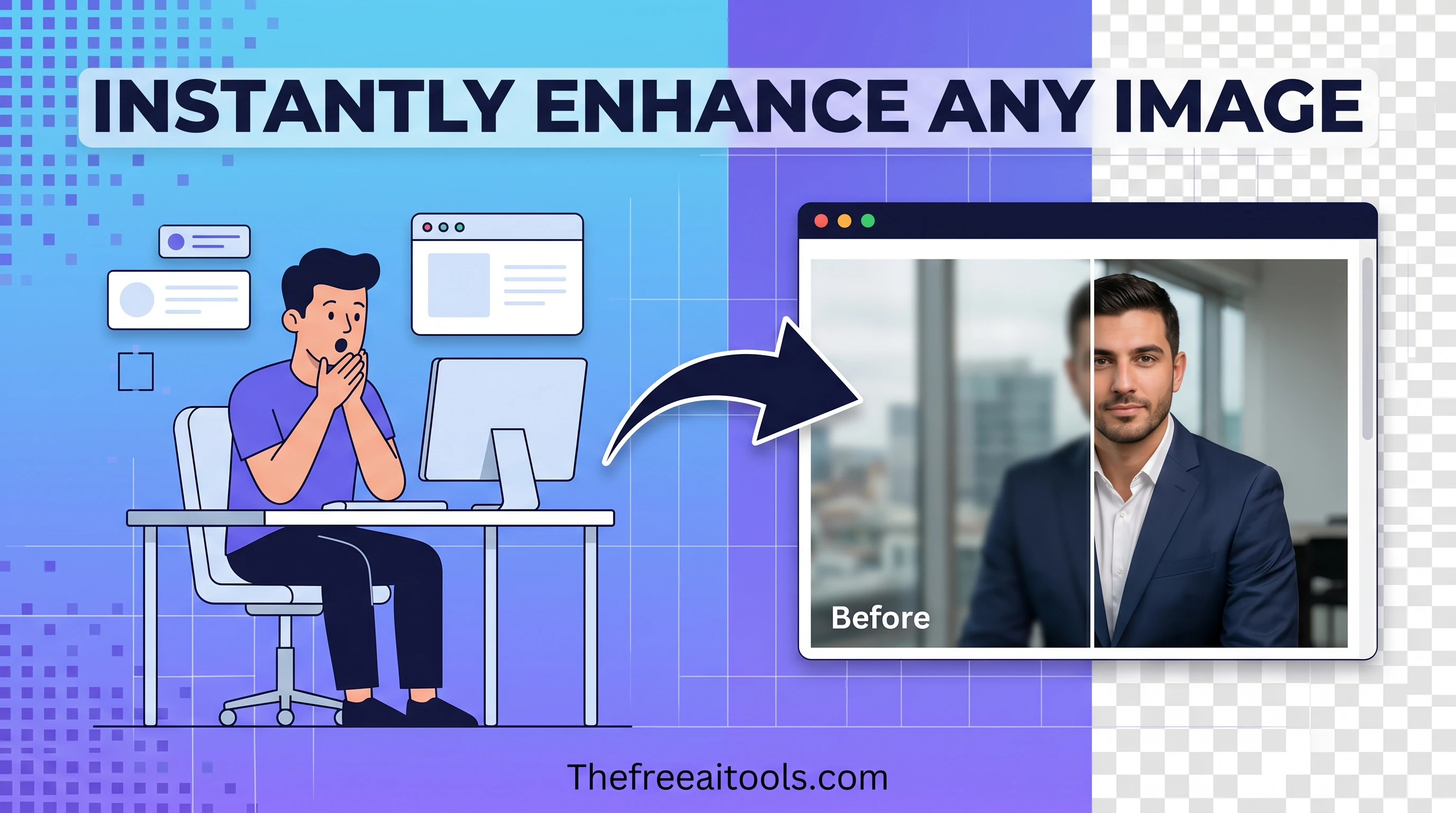
Compress and optimize images with adjustable quality and live preview — reduce file size for faster web performance.
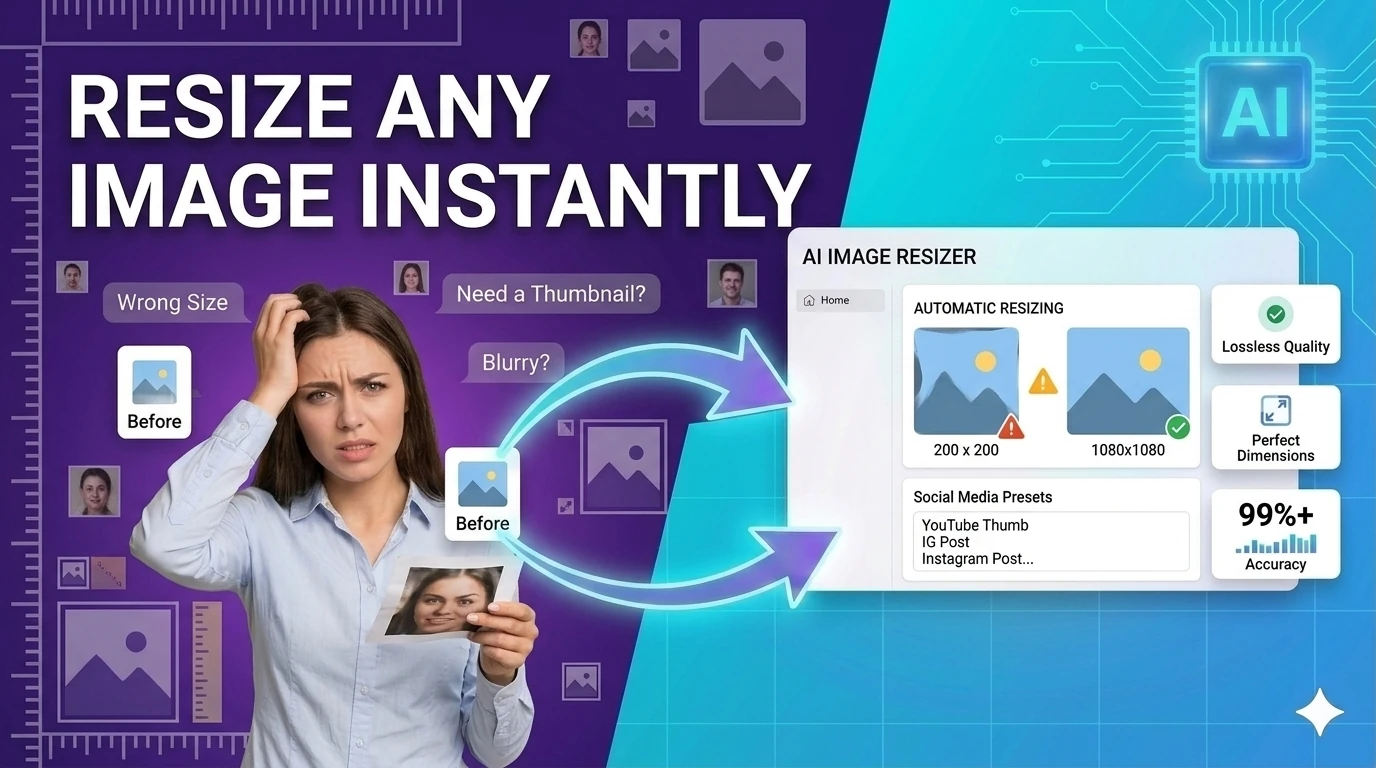
Resize images to preset or custom dimensions — social media presets, pixel-perfect, and percentage-based scaling.
Estimate Flesch-Kincaid readability and sentence complexity from text — optimize content grade level instantly.
Count words, characters, sentences, and estimate reading time — with keyword density analysis.

Paraphrase and rewrite text using AI to sound natural, improve clarity, and bypass AI content detectors.
Clean and humanize AI-generated text to sound natural and help bypass AI detectors — powered by AI.
Detect robotic writing patterns and rewrite AI-generated text into a more natural, human-sounding draft — runs entirely in your browser.

Analyze text and estimate the likelihood it was generated by AI — detects ChatGPT, Claude, Gemini, and more using AI.
Analyze repeated phrases and top keywords inside any text block — optimize content for search rankings.
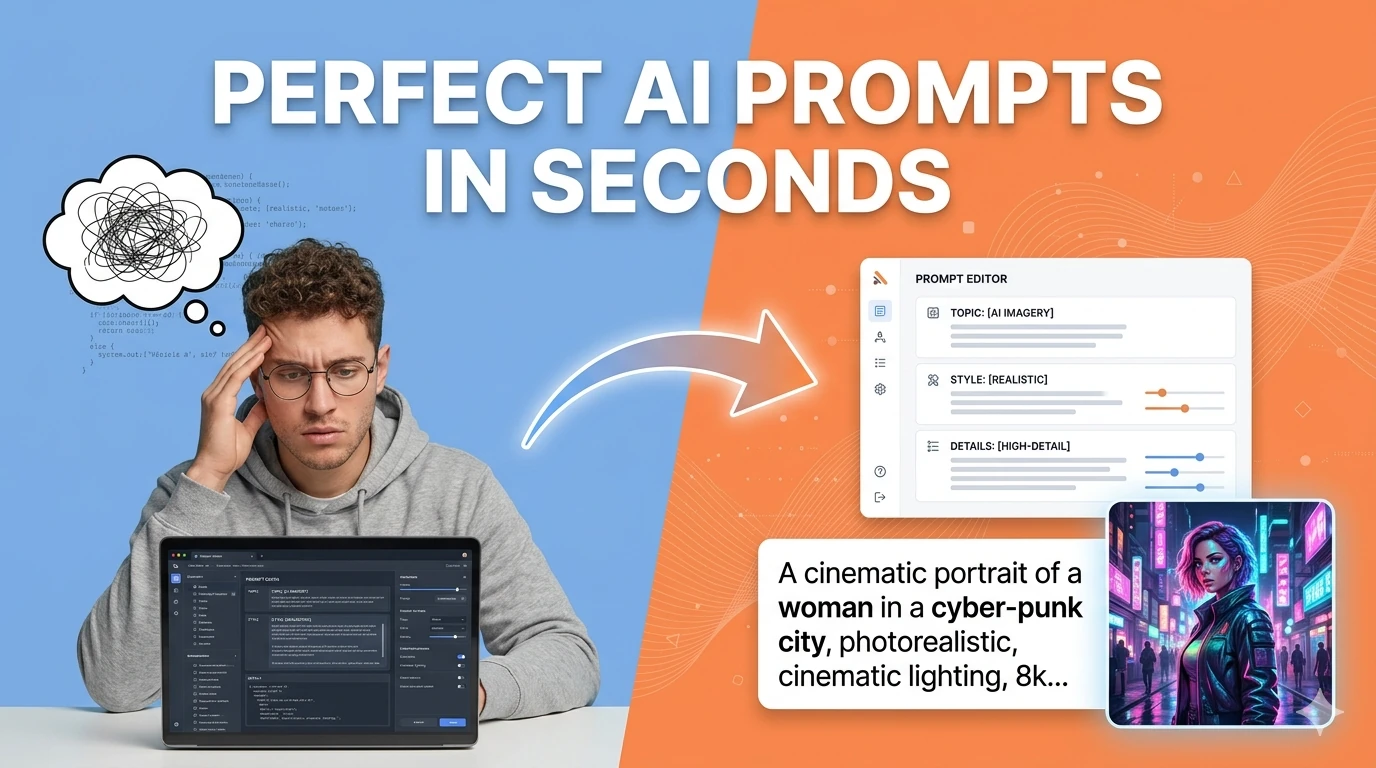
Turn simple ideas into highly detailed, optimized prompts for Midjourney, ChatGPT, Stable Diffusion, Claude, and DALL-E using AI.
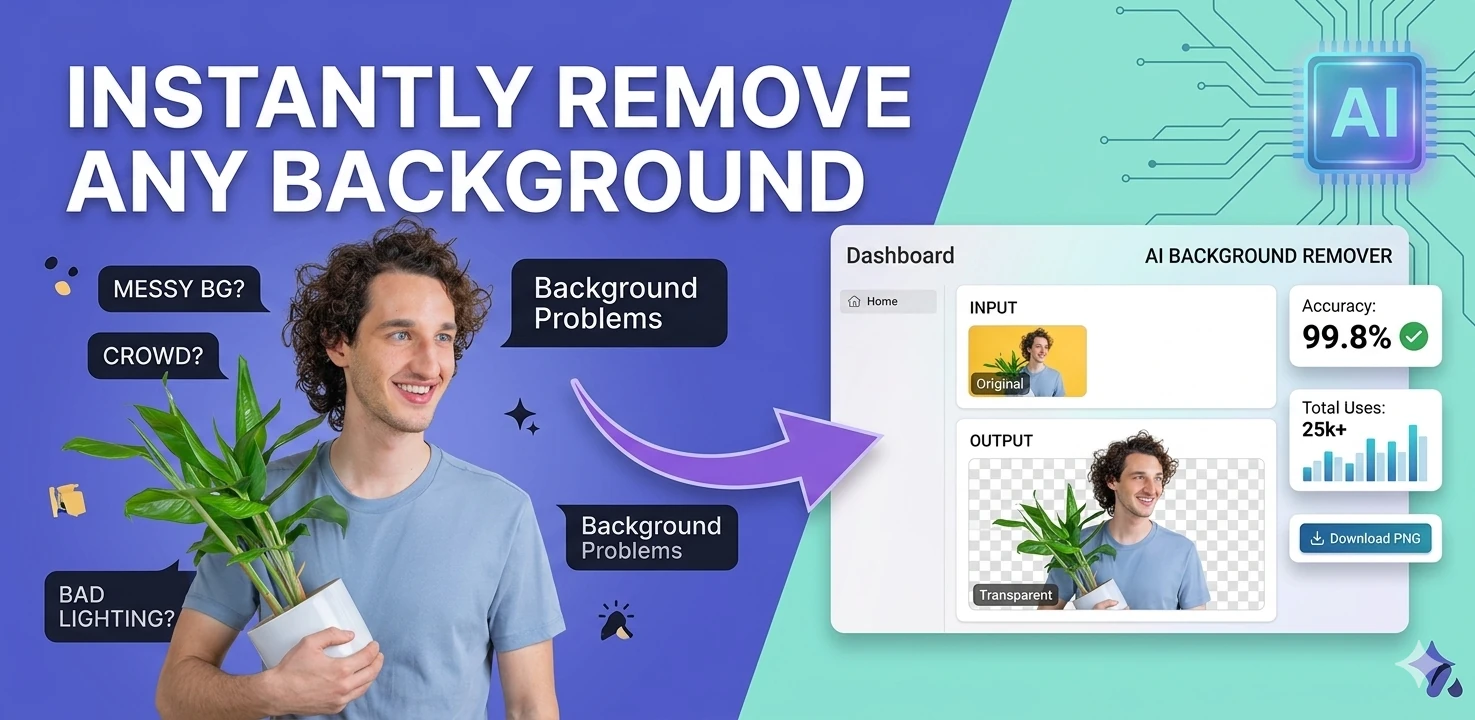
Remove image backgrounds in the browser with color picking, flood fill, and edge-aware controls — client-side, no upload.
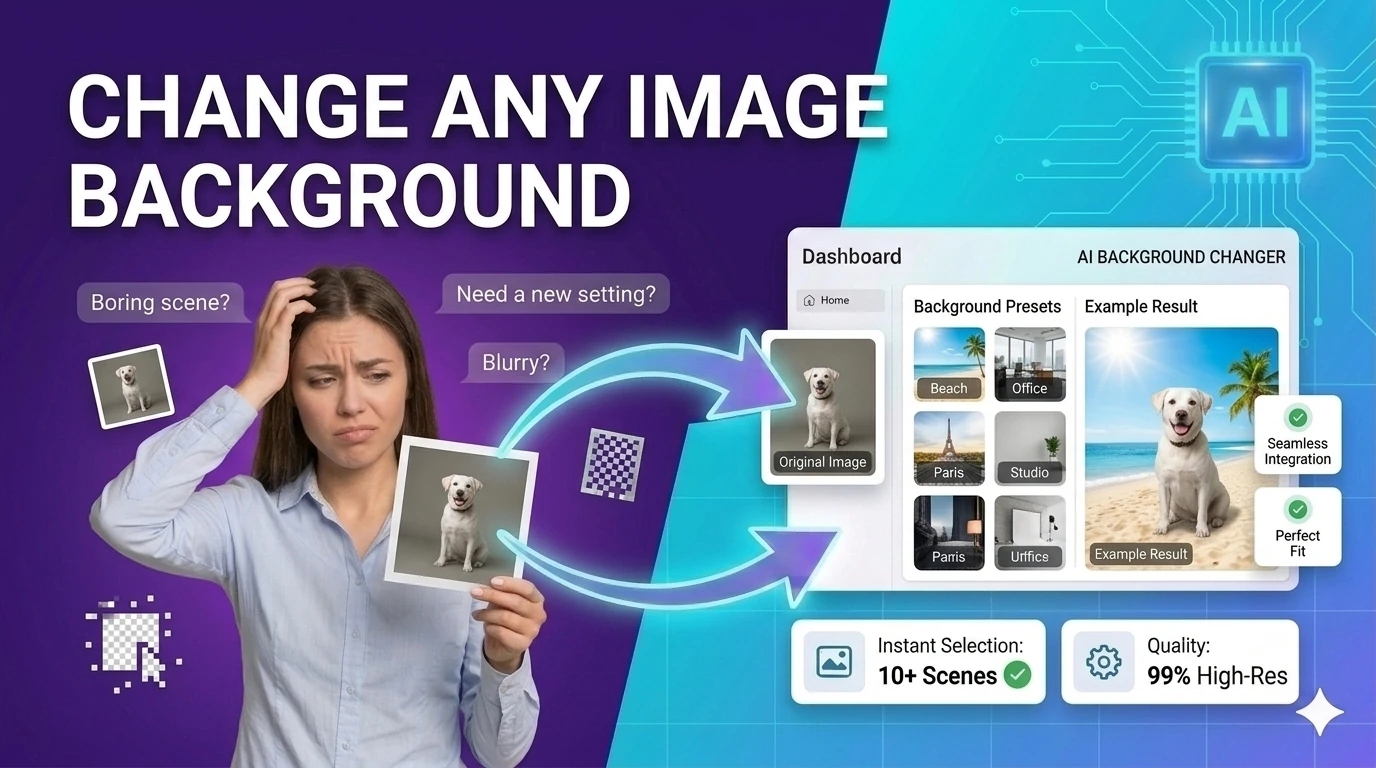
Replace image backgrounds with a solid color, gradient, or uploaded image — browser-based compositing, no upload required.
Pick colors and convert between HEX, RGB, and HSL formats — with live preview and clipboard copy.
Extract a color palette from pasted CSS or HTML color values — build brand color systems instantly.

Create QR codes for URLs, text, WiFi credentials, and email with one-click download — instantly in your browser.
Turn page titles into clean, readable, SEO-friendly URL slugs — remove stop words and special characters.
Review meta descriptions for character length and snippet-friendly ranges — bulk SEO meta audit tool.
Facebook SEO in 2026 operates on two levels: within-platform search that helps users discover Pages, Groups, and content via Facebook's internal search, and external search indexation by Google and Bing that makes Facebook Pages and posts discoverable from outside the platform. Both dimensions benefit from the same optimization practices: keyword-relevant page names and descriptions, consistent content topics, well-structured post text, and correctly configured link preview metadata. The tools in this hub address all of these areas directly.
Open Graph configuration is the most impactful single technical optimization for Facebook content marketers. Every link shared on Facebook generates a preview card from the destination page's Open Graph tags. A page with correctly configured og:title, og:description, and og:image generates a professional, clickable preview that drives measurably higher click-through rates than a page that renders a blank, broken, or generic preview. The open graph preview tool makes this check instantaneous for any URL, eliminating the frustrating experience of discovering a broken preview after a post has already been published.
UTM tracking is the backbone of Facebook advertising measurement for any business running paid or organic campaigns. Without correctly formatted UTM parameters on every link shared from Facebook — organic posts, paid ads, Stories, and bio links — the traffic arriving at your website is reported as direct or social with no campaign attribution. The UTM builder and validator on this hub generates properly formatted UTM strings and checks existing tagged URLs for parameter errors that would break analytics attribution.
Image optimization for Facebook is a two-step process that most marketers skip. The first step is resizing images to Facebook's recommended dimensions for each placement — 1200x630px for link shares, 1080x1080px for square posts, 1080x1920px for Stories. The second step is compressing the resized image to a size that Facebook can process and display without visible quality degradation. Skipping either step results in cropped, blurry, or pixelated images that reduce engagement and make content look unprofessional.
Quick answers about the workflow, privacy, and where this tool fits in a broader job.
Facebook pages and posts are indexed by Google. A well-optimized Facebook Page with consistent keyword usage in the page name, about section, and post content can rank for branded searches and local business queries in Google results.
When you share a URL on Facebook, the platform reads the Open Graph meta tags to generate the link preview card — image, title, and description. The open graph preview tool shows exactly how that card will appear before you post, so you can fix missing or incorrect preview data.
Posts between 40-80 characters earn the highest average engagement on Facebook. For link posts with descriptions, 100-250 characters perform best. Use the word counter to hit these targets consistently.
UTM parameters appended to Facebook ad and post URLs attribute traffic correctly in Google Analytics, allowing you to measure which Facebook campaigns, posts, and audiences are driving the most valuable website traffic.
Facebook recompresses uploaded images, and the quality of that recompression improves significantly when starting from an optimized file. The image compressor on this hub reduces file size while preserving visual quality, resulting in sharper images after Facebook's processing.
The complete toolkit
Every tool runs instantly in your browser — no account, no download, no cost. Across 13 categories for everyday tasks.