AI Paraphrasing Tool
Paraphrase and rewrite text using AI to sound natural, improve clarity, and bypass AI content detectors.
This hub gathers the best free AI-powered text summarization tools for students, researchers, professionals, and content teams in — covering article summarization, document condensing, bullet point extraction, key insight identification, and TL;DR generation — all browser-based with zero signup.
Updated · Reviewed by The Free AI Tools Editorial Team — AI summarization and text analysis tools review
Paraphrase and rewrite text using AI to sound natural, improve clarity, and bypass AI content detectors.
Clean and humanize AI-generated text to sound natural and help bypass AI detectors — powered by AI.
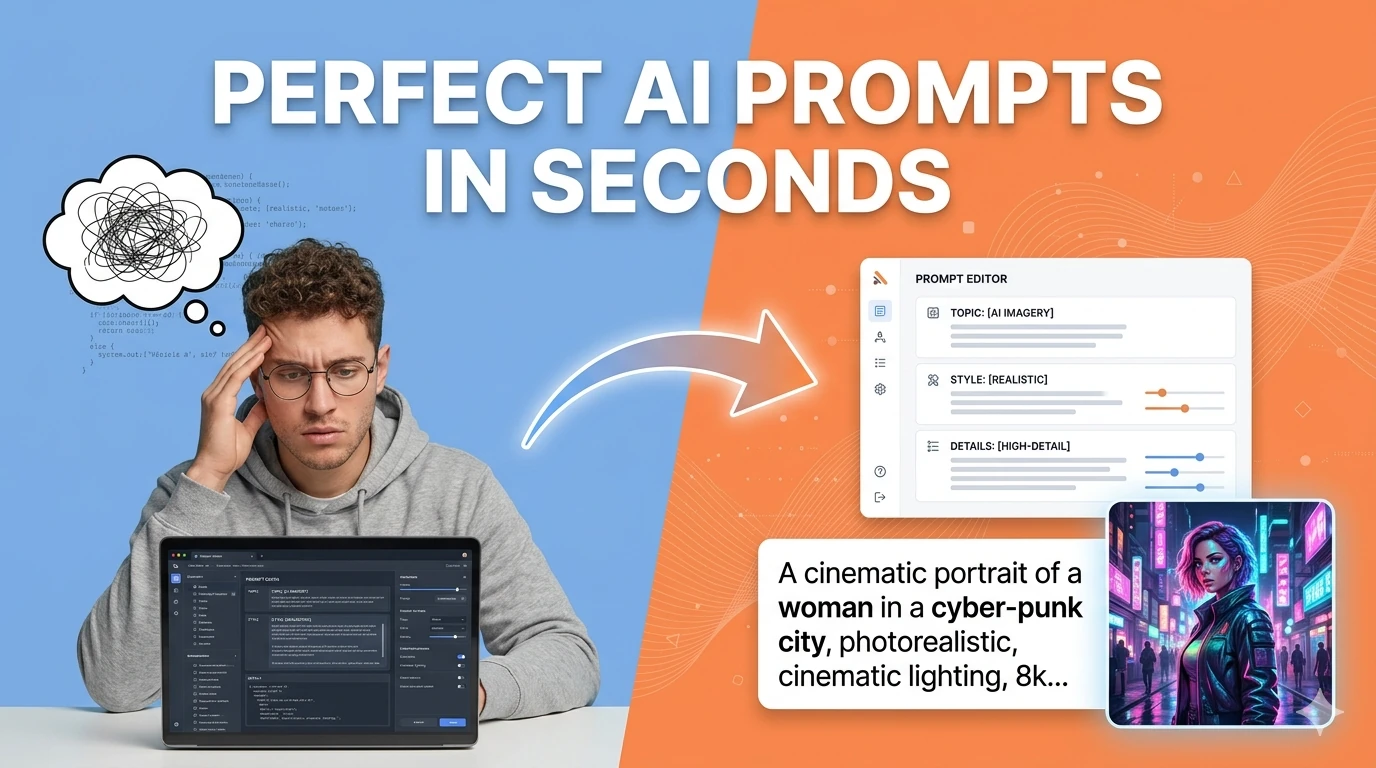
Turn simple ideas into highly detailed, optimized prompts for Midjourney, ChatGPT, Stable Diffusion, Claude, and DALL-E using AI.
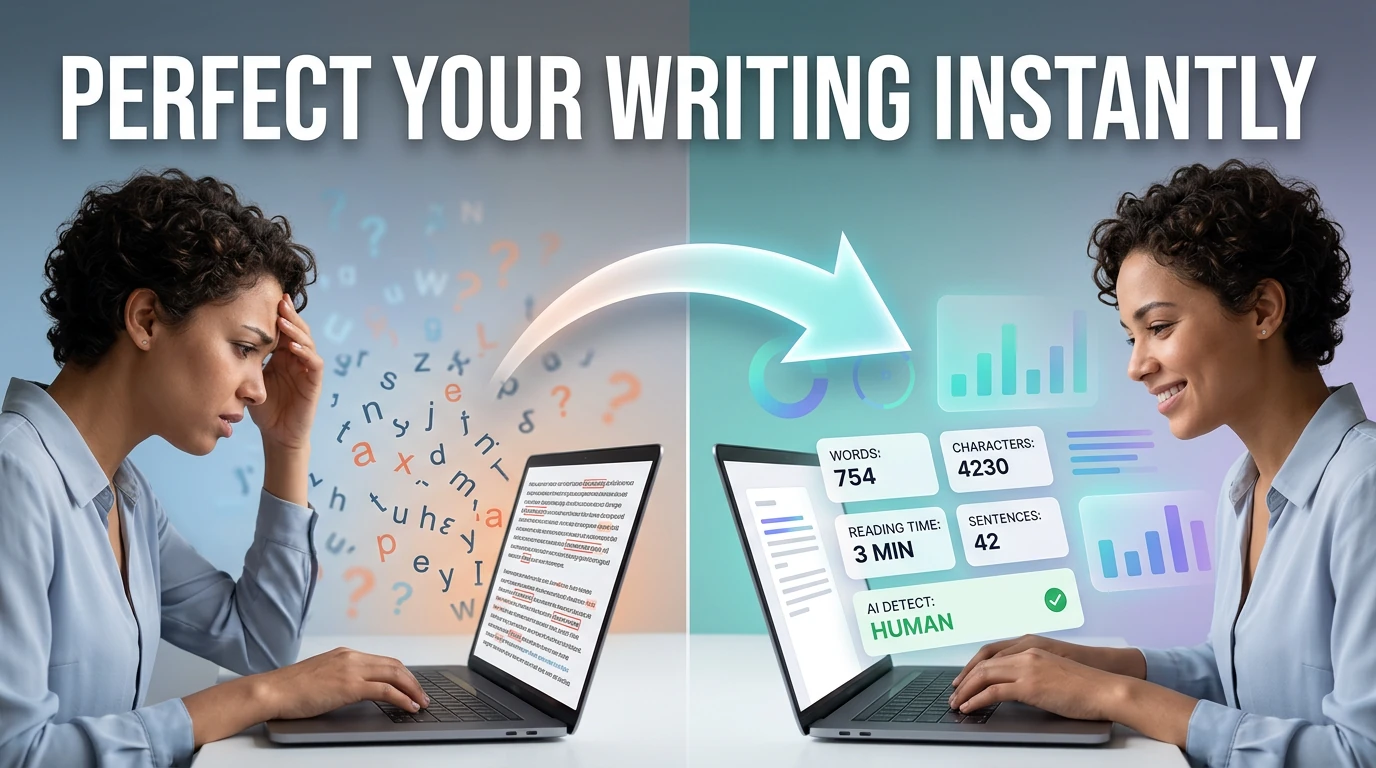
Count words, characters, sentences, and estimate reading time — with keyword density analysis.
Estimate Flesch-Kincaid readability and sentence complexity from text — optimize content grade level instantly.
Detect robotic writing patterns and rewrite AI-generated text into a more natural, human-sounding draft — runs entirely in your browser.

Analyze text and estimate the likelihood it was generated by AI — detects ChatGPT, Claude, Gemini, and more using AI.
Convert plain text to formatted PDF documents with customizable page size — free, no software required.
Generate Word documents (.docx) from plain text instantly — download ready-to-share documents in seconds.
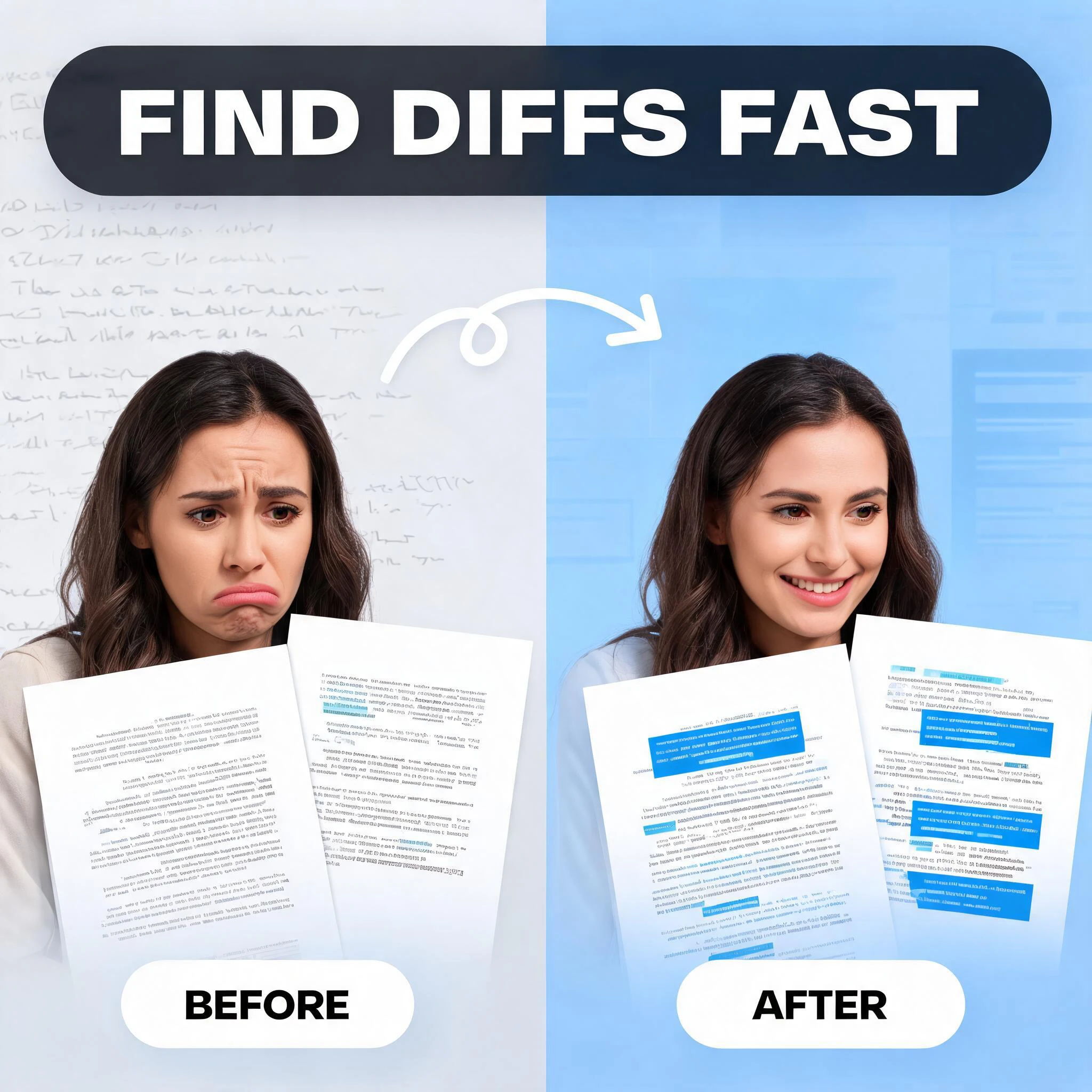
Compare two blocks of text and highlight additions and removals — visualize code and content changes instantly.
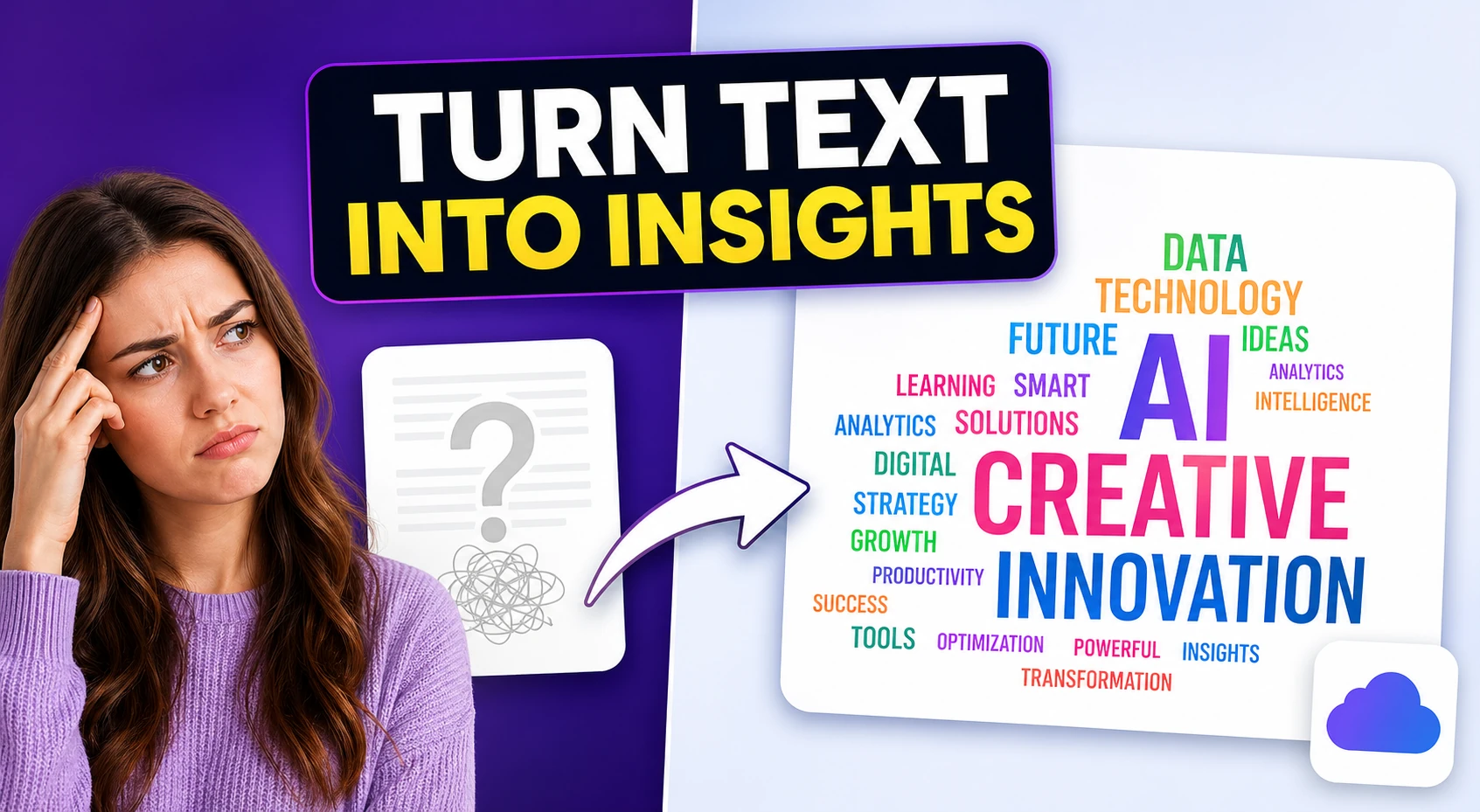
Create a visual SVG word cloud from any text input — great for content analysis, presentations, and data visualization.
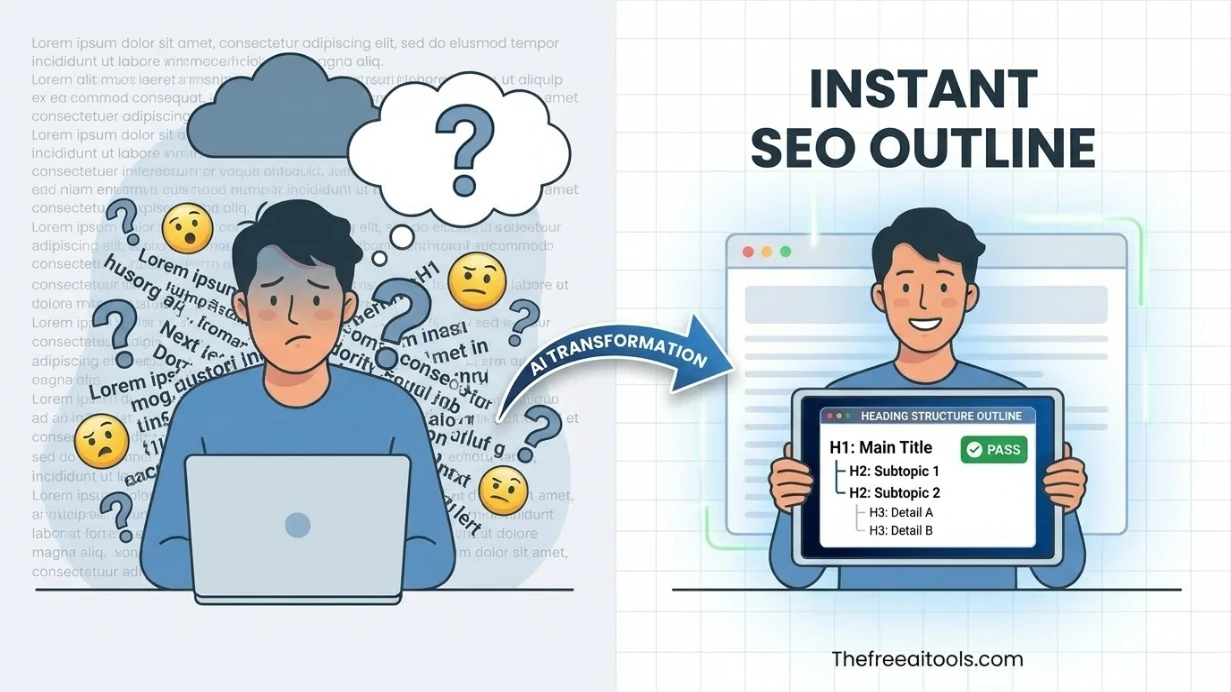
Audit pasted HTML for heading order, skipped levels, and document outline clarity — accessibility and SEO check.
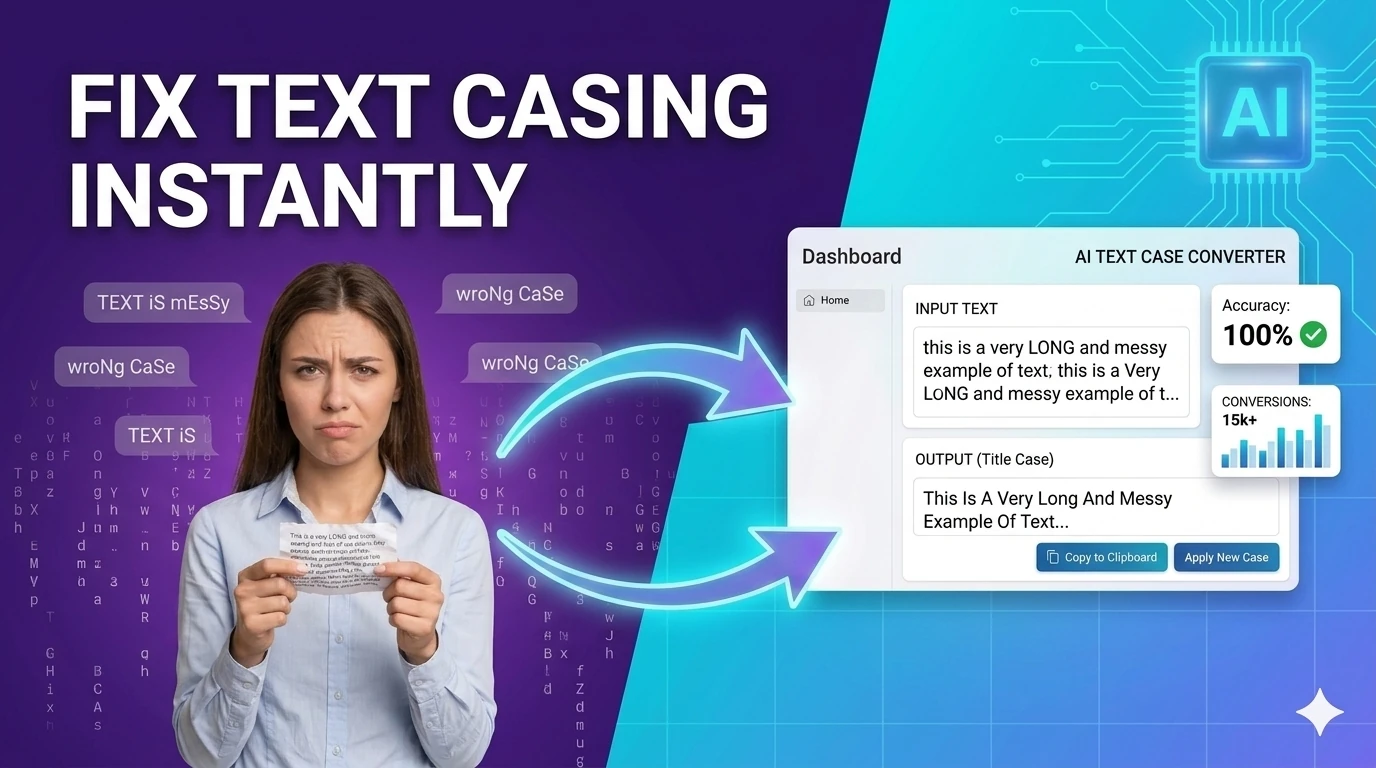
Convert text between upper, lower, title, camelCase, snake_case, and kebab-case — one-click text transformation.
Generate captivating short stories, novel chapters, and fanfiction using AI — choose genre and let AI write the rest.

Build focused Pomodoro-style study blocks with short and long breaks — student productivity tool.
Shuffle custom flashcard prompts for quick exam practice — spaced repetition study tool.
AI summarization is the information management skill that 2026 professionals need most urgently. The volume of written content produced daily — research papers, industry reports, news articles, meeting transcripts, email threads, documentation — has grown faster than any human's reading capacity. A knowledge worker who can accurately summarize a ten-page report into a five-bullet executive summary, distill a forty-five-minute meeting transcript into three action items, or condense a research paper into a one-paragraph abstract has a productivity advantage that compounds across every working day.
The quality of an AI summary depends almost entirely on the quality of the summarization prompt. A vague instruction like 'summarize this' produces a generic reduction that may preserve the wrong information. A specific instruction like 'summarize the three main arguments and the evidence supporting each in under 200 words' produces a targeted output that is immediately useful. The AI prompt generator on this hub helps users build specific, structured summarization instructions that produce consistently high-quality summary output regardless of the input text type.
Student use of AI summarizers has become one of the most educationally debated topics in 2026. The legitimate use case — using AI summarization to extract key insights from source material for research purposes, building comprehension before writing — is genuinely valuable and widely accepted in academic contexts. The problematic use — submitting AI-generated summaries of assigned readings without engaging with the source material — represents an academic integrity violation. The tools in this hub support the former use: understanding complex texts more quickly, not replacing the intellectual engagement that produces learning.
Content marketing teams use AI summarizers for a specific production workflow in 2026: converting long-form research content into multiple shorter formats. A 3,000-word pillar article can be summarized into a LinkedIn post, a Twitter thread, an email newsletter section, and a social media caption — each requiring a different summary length and format. The AI paraphrasing tool with specific prompt instructions for each format produces all four versions in under ten minutes, dramatically accelerating content repurposing workflows that previously consumed hours of copywriter time.
Quick answers about the workflow, privacy, and where this tool fits in a broader job.
AI summarizers use large language models to identify the most important sentences, key arguments, and core conclusions in a text, then condense them into a shorter output that preserves meaning. Paste your text into the AI paraphrasing tool with a summarization instruction in the prompt to generate a condensed version.
For long articles, use the AI paraphrasing tool with a specific summarization prompt — 'Summarize this in three bullet points' or 'Write a 100-word TL;DR of this text' — to produce targeted summary output. The word counter confirms the summary hits your target length.
Yes. For academic papers, structure your summary prompt around the specific sections: abstract, methodology, findings, and conclusions. The AI paraphrasing tool produces more useful academic summaries when given section-by-section input rather than the full paper at once.
Use the AI prompt generator to build a bullet-point summarization instruction — 'Extract the five most important points from this text as bullet points' — then run the instruction and your text through the AI paraphrasing tool. The output provides an immediate structured summary.
Yes — indirectly. Extract the transcript from the video or podcast, then paste it into the AI paraphrasing tool with a summarization prompt. The word cloud generator also provides a quick visual summary of the most frequently discussed topics in any transcript.
The complete toolkit
Every tool runs instantly in your browser — no account, no download, no cost. Across 13 categories for everyday tasks.