AI Story & Novel Generator
Generate captivating short stories, novel chapters, and fanfiction using AI — choose genre and let AI write the rest.
This hub collects the best free AI-powered essay writing tools for students, academics, and professionals in — covering essay generation, outline building, academic paraphrasing, humanization, AI detection, and readability optimization — all browser-based with zero signup.
Updated · Reviewed by The Free AI Tools Editorial Team — AI academic writing and student tools review
Generate captivating short stories, novel chapters, and fanfiction using AI — choose genre and let AI write the rest.
Paraphrase and rewrite text using AI to sound natural, improve clarity, and bypass AI content detectors.
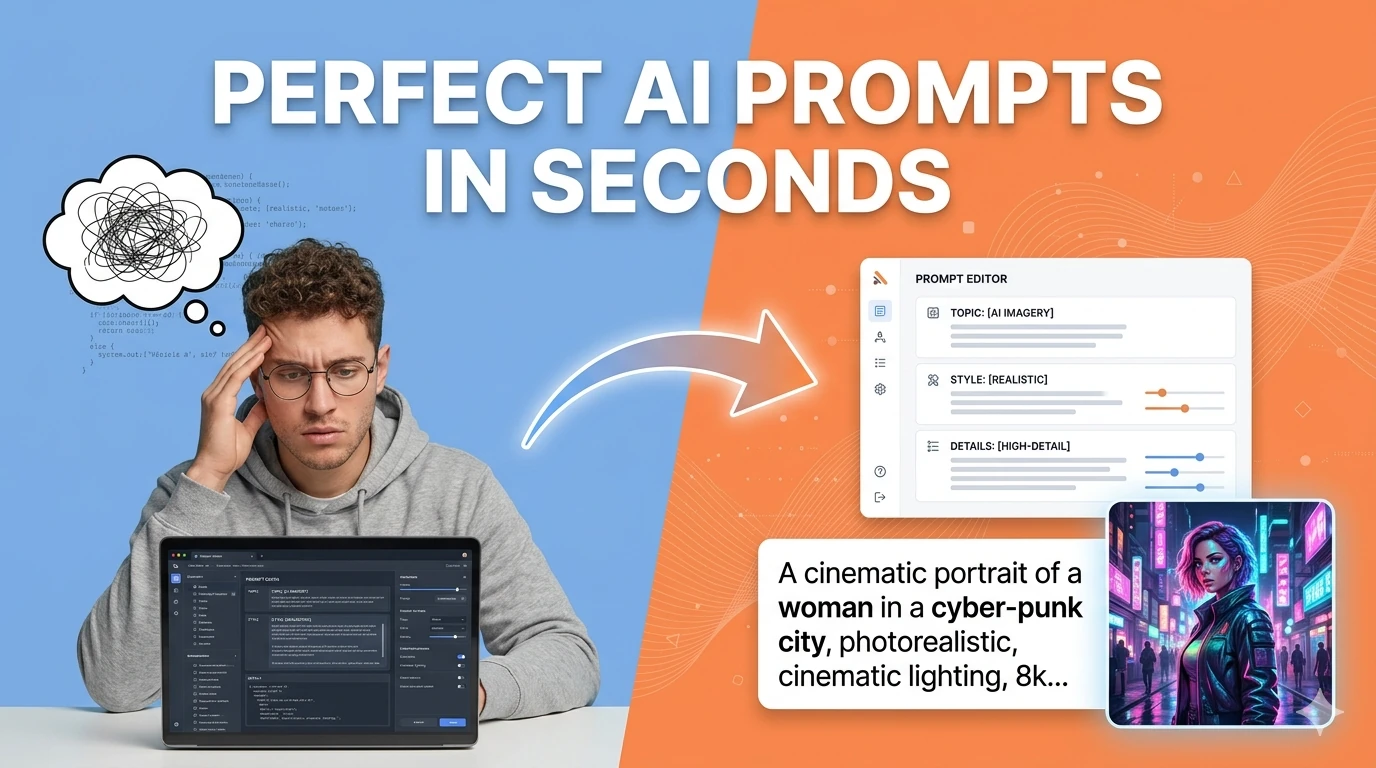
Turn simple ideas into highly detailed, optimized prompts for Midjourney, ChatGPT, Stable Diffusion, Claude, and DALL-E using AI.
Clean and humanize AI-generated text to sound natural and help bypass AI detectors — powered by AI.
Detect robotic writing patterns and rewrite AI-generated text into a more natural, human-sounding draft — runs entirely in your browser.

Analyze text and estimate the likelihood it was generated by AI — detects ChatGPT, Claude, Gemini, and more using AI.
Estimate Flesch-Kincaid readability and sentence complexity from text — optimize content grade level instantly.
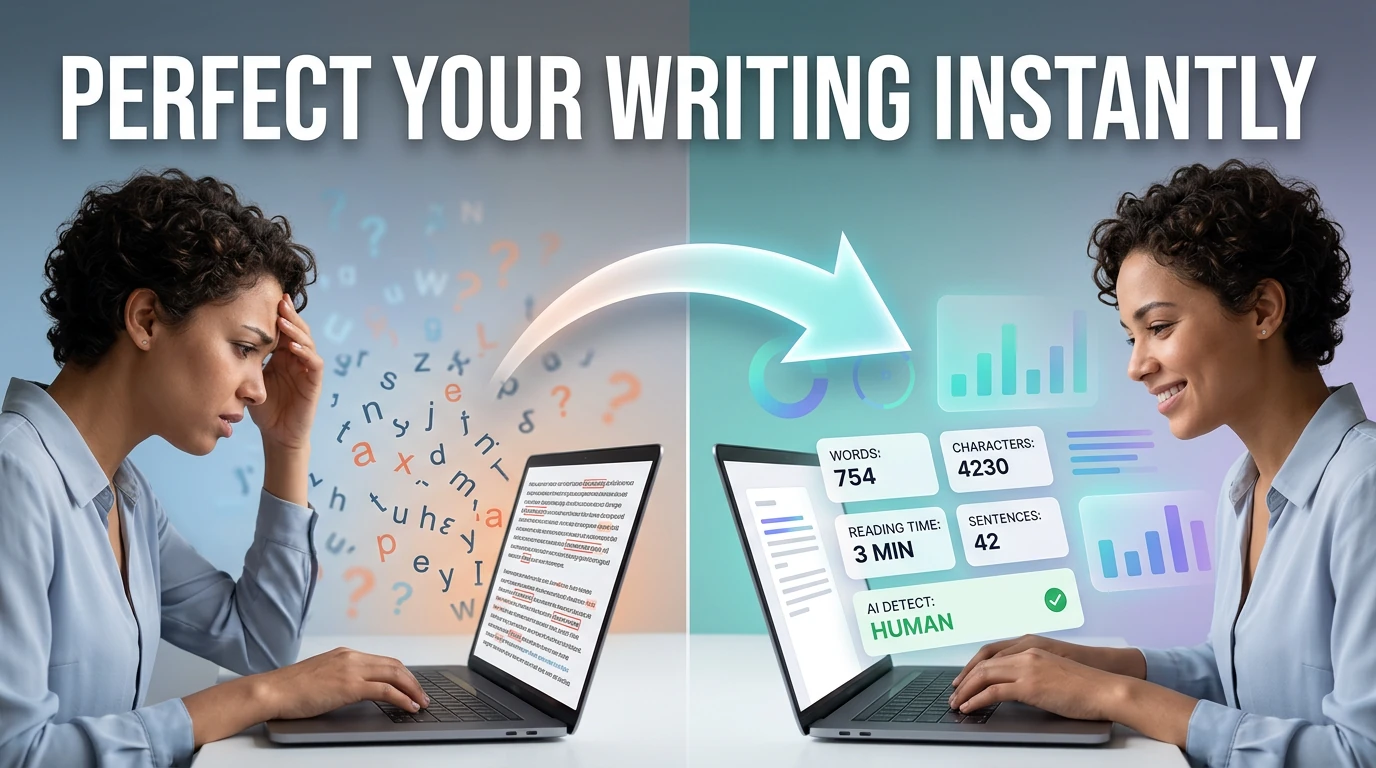
Count words, characters, sentences, and estimate reading time — with keyword density analysis.

Review meta descriptions for character length and snippet-friendly ranges — bulk SEO meta audit tool.
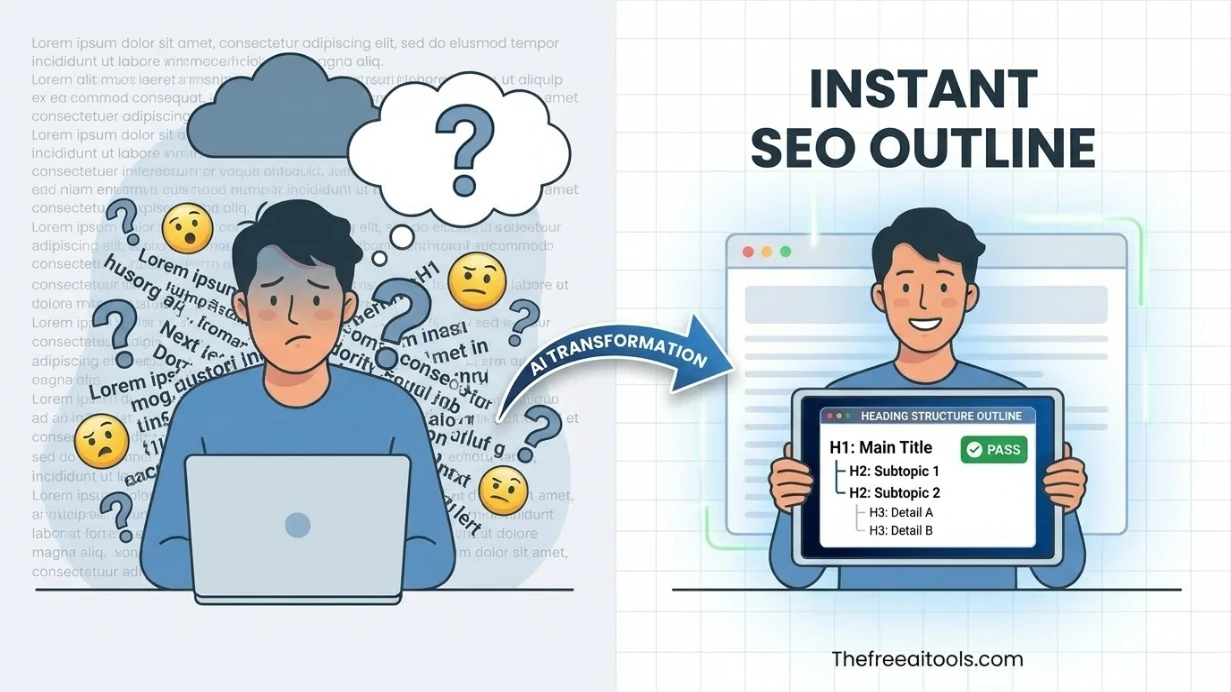
Audit pasted HTML for heading order, skipped levels, and document outline clarity — accessibility and SEO check.
Compare two blocks of text and highlight additions and removals — visualize code and content changes instantly.
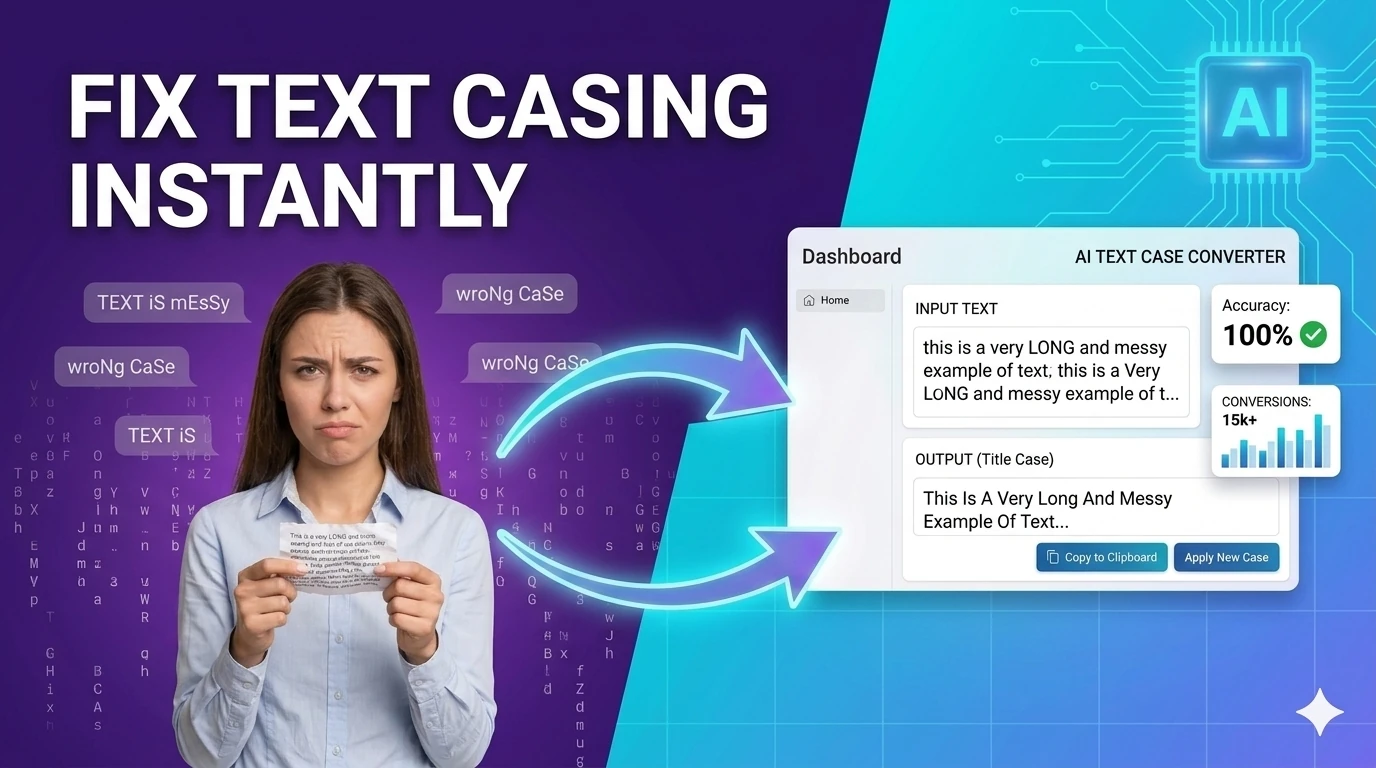
Convert text between upper, lower, title, camelCase, snake_case, and kebab-case — one-click text transformation.
Convert plain text to formatted PDF documents with customizable page size — free, no software required.
Generate Word documents (.docx) from plain text instantly — download ready-to-share documents in seconds.
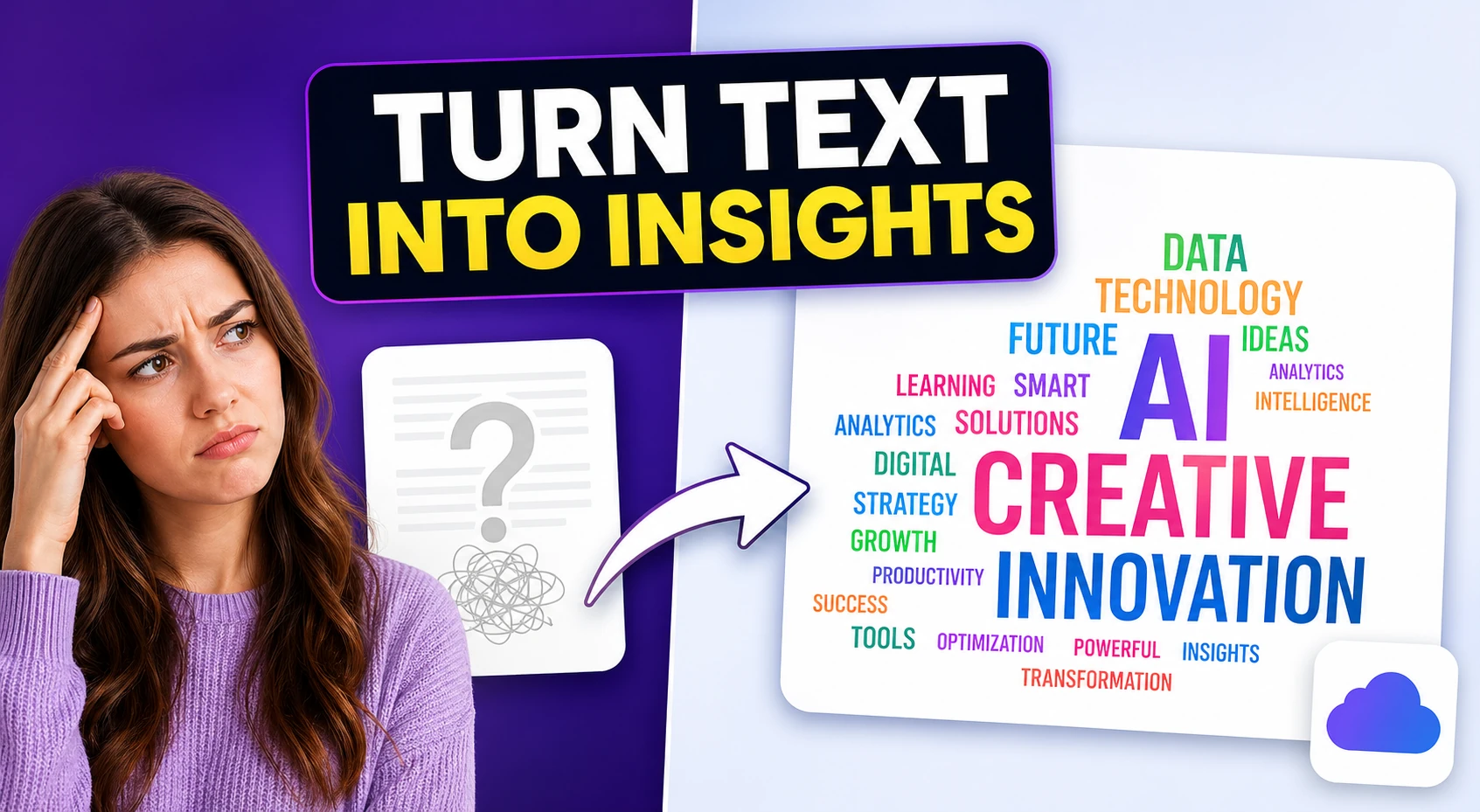
Create a visual SVG word cloud from any text input — great for content analysis, presentations, and data visualization.

Generate placeholder text in paragraphs, sentences, or words — perfect for mockups and UI design prototyping.
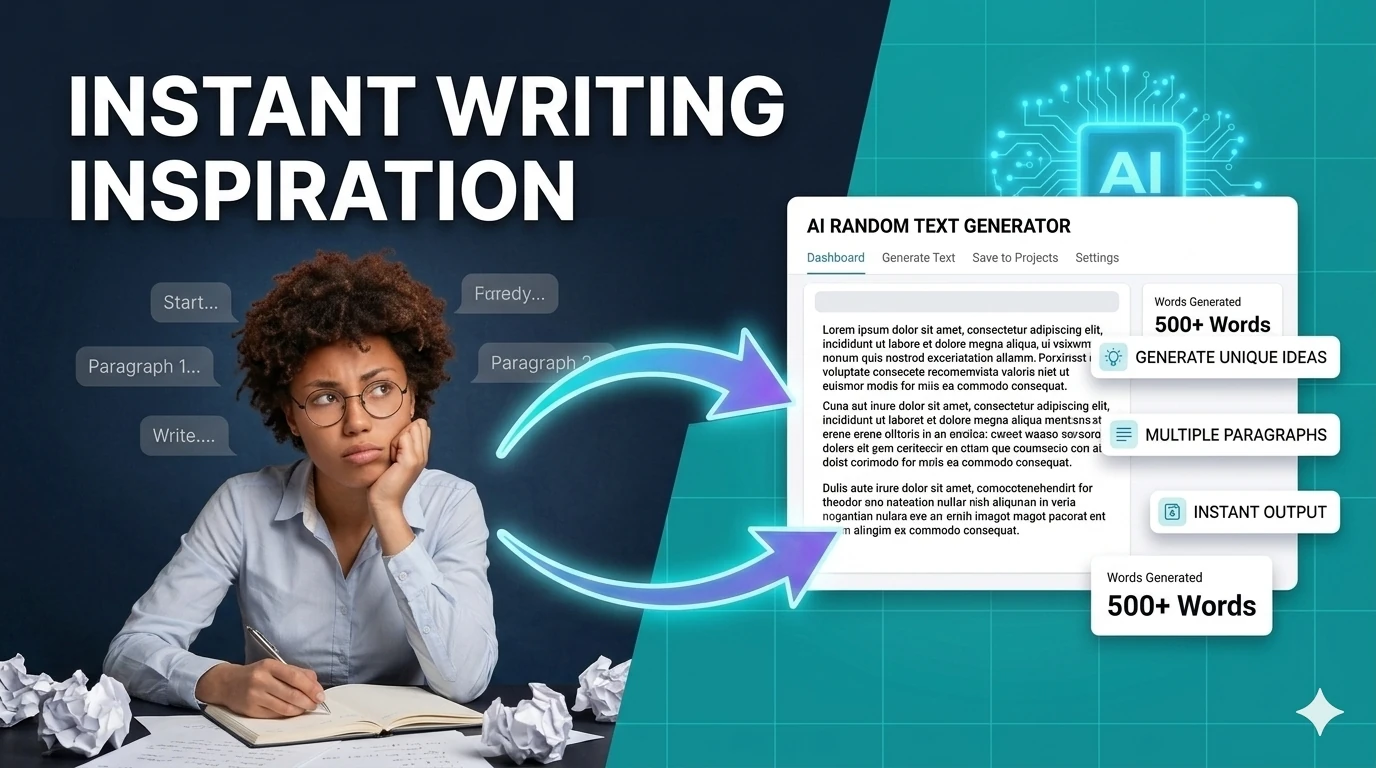
Generate placeholder copy in multiple lengths and writing tones — more expressive than standard lorem ipsum.
Build focused Pomodoro-style study blocks with short and long breaks — student productivity tool.
Shuffle custom flashcard prompts for quick exam practice — spaced repetition study tool.
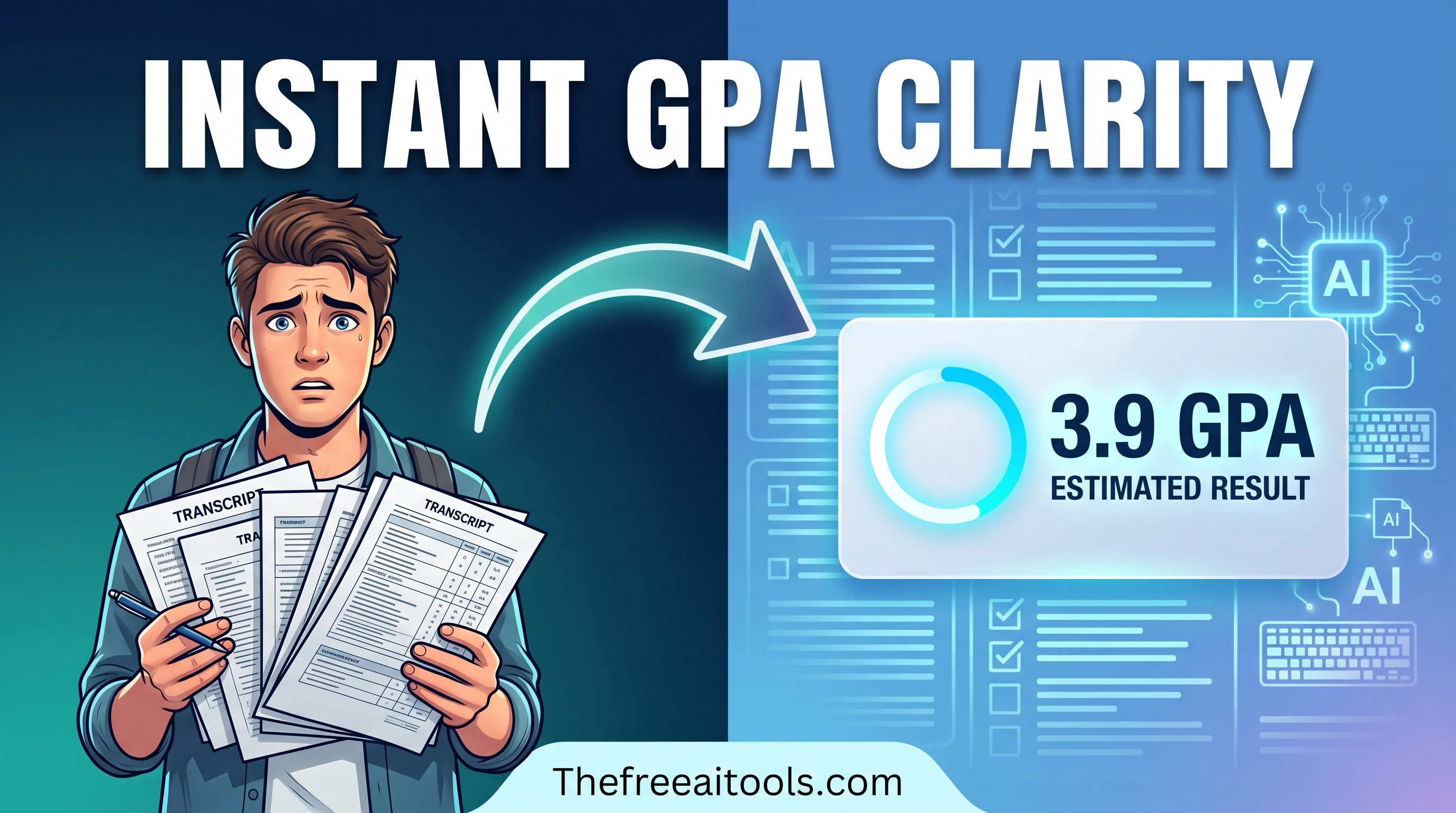
Estimate GPA from course grades and credit hours — supports 4.0 and weighted grading systems.
Free AI essay writers in 2026 have become the most searched student tool category on the internet — surpassing plagiarism checkers, citation generators, and grammar tools combined. The reason is simple: blank page paralysis is universal, and an AI that can produce a structured 1,000-word draft on any academic topic in thirty seconds solves the most painful moment in academic writing. The tools in this hub address the full essay workflow from that blank page to a polished, submission-ready document — generation, paraphrasing, humanization, detection, and export.
The academic essay workflow in 2026 has three distinct AI-assisted phases that require different tools. The generation phase uses the AI prompt generator and AI story generator to produce a structured draft with an introduction, body paragraphs addressing key points, and a conclusion. The refinement phase uses the paraphrasing tool to vary language and the text cleaner to remove filler and redundant phrasing. The quality control phase uses the text humanizer to strip AI writing patterns, the readability checker to verify the grade level matches the assignment, and the AI detector to confirm the output score before submission.
Academic integrity is the critical context for all AI essay tool usage in 2026. The appropriate use of AI writing tools in academic work — using AI to help draft, structure, and improve essays that represent the student's own ideas and argument — is increasingly accepted at institutions that have updated their policies. The inappropriate use — submitting AI-generated content as wholly original work without disclosure — violates academic integrity policies at virtually every institution. The tools in this hub support the legitimate use case: accelerating the drafting and polishing process while the student provides the intellectual direction.
Readability optimization is the essay quality dimension most improved by the combination of AI generation and the readability checker tool. AI-generated academic text tends toward consistent sentence length and formal vocabulary — which paradoxically produces lower readability scores than the varied, naturally flowing prose of a strong human writer. The readability score calculator identifies which sentences are pushing the complexity score above target levels and suggests structural simplifications. Running every AI-generated essay section through this check produces academic writing that is both appropriately formal and genuinely readable.
Quick answers about the workflow, privacy, and where this tool fits in a broader job.
Yes. The AI story and text generation tools on this hub can produce structured essay drafts from a topic description or outline prompt. For best results, provide a specific thesis, target word count, and academic tone instruction in your prompt using the AI prompt generator.
Run the AI draft through the text humanizer to remove statistical AI writing patterns, then through the paraphrasing tool to vary sentence structure and vocabulary. Finally, check the output with the AI detector to verify the detection score has dropped before submission.
The most effective workflow is: generate an outline with the AI prompt generator, expand each section with the AI story generator, paraphrase for originality and variation, humanize to remove AI patterns, check readability against your target grade level, verify with the AI detector, and export to PDF or Word for submission.
AI tools generate strong structural drafts and fluent paragraphs, but college-level essays require original analysis, cited sources, and personal argument development that AI cannot authentically provide. Use AI tools for drafting, structure, and language polishing while adding your own academic argument and citations.
Browser-based AI tools work best for essays between 500 and 2,000 words. For longer essays, generate and optimize section by section for the most consistent and readable output.
The complete toolkit
Every tool runs instantly in your browser — no account, no download, no cost. Across 13 categories for everyday tasks.