
Keyword Density Checker
Analyze repeated phrases and top keywords inside any text block — optimize content for search rankings.
This hub gathers the most useful free SEO tools specifically for bloggers in — from keyword optimization and readability checks to metadata generation, SERP preview, and AI-assisted content improvement — all browser-based with zero signup.
Updated · Reviewed by The Free AI Tools Editorial Team — Blogging and content SEO tools review
Analyze repeated phrases and top keywords inside any text block — optimize content for search rankings.

Estimate Flesch-Kincaid readability and sentence complexity from text — optimize content grade level instantly.

Generate SEO-friendly meta tags including Open Graph, Twitter Card, and canonical tags — copy-ready HTML with live preview.

Preview title tags, URLs, and meta descriptions in a Google-style search result layout — SEO snippet tool.
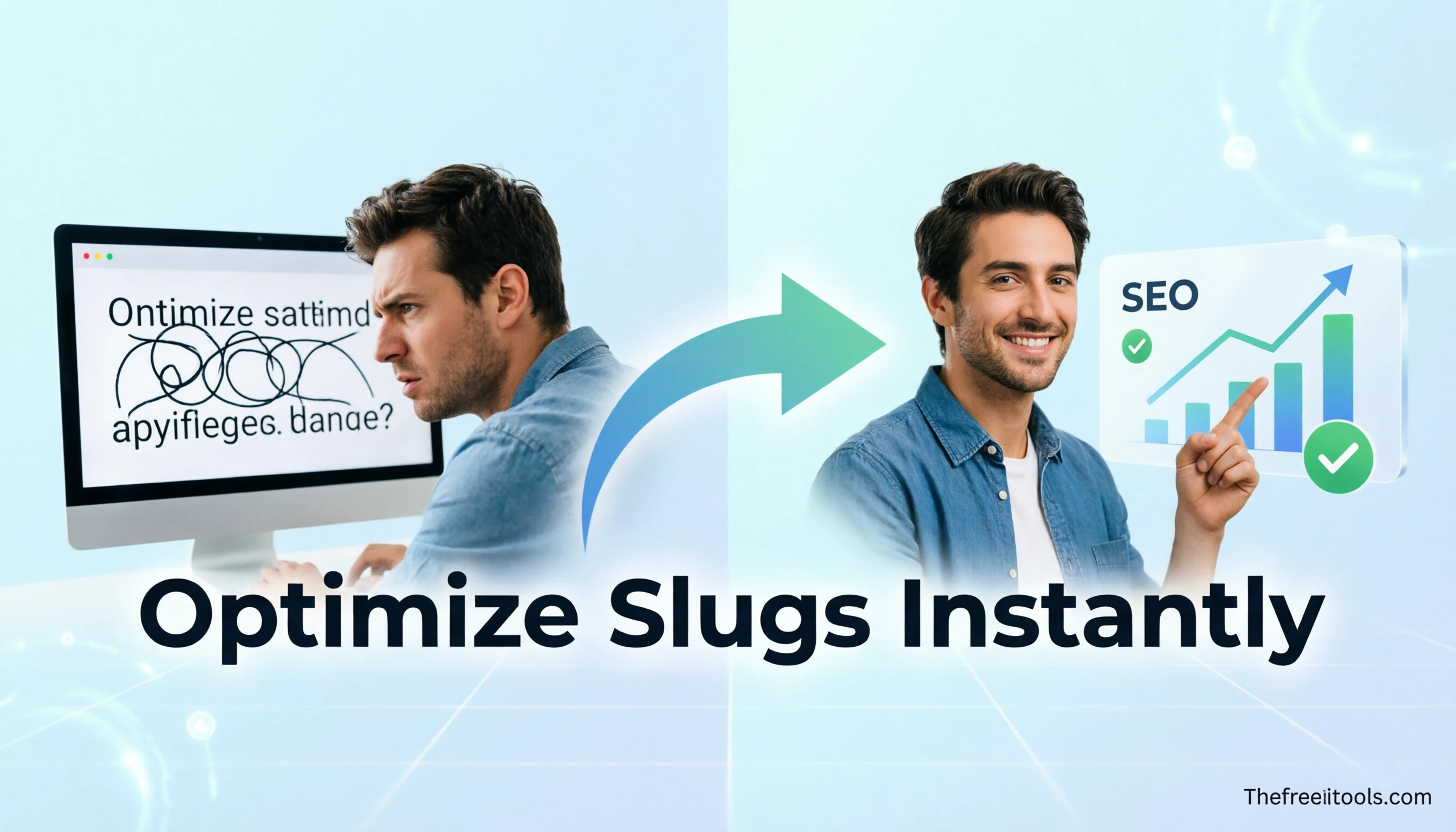
Turn page titles into clean, readable, SEO-friendly URL slugs — remove stop words and special characters.
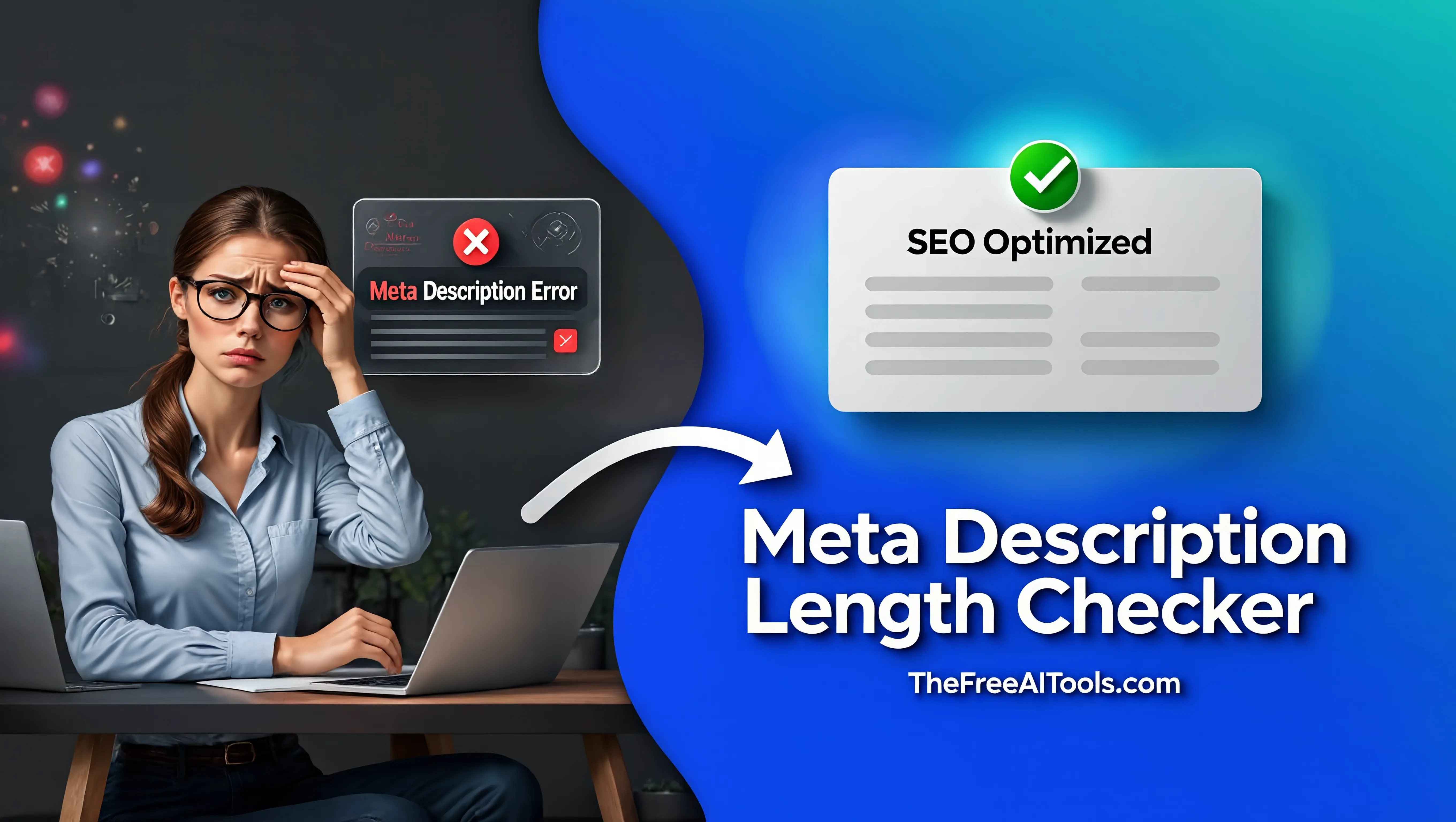
Review meta descriptions for character length and snippet-friendly ranges — bulk SEO meta audit tool.

Preview how Open Graph titles, descriptions, and images appear when shared on social media — OG tag tester.

Validate Twitter Card meta tags and preview card-style output — test X/Twitter link sharing appearance.

Count words, characters, sentences, and estimate reading time — with keyword density analysis.
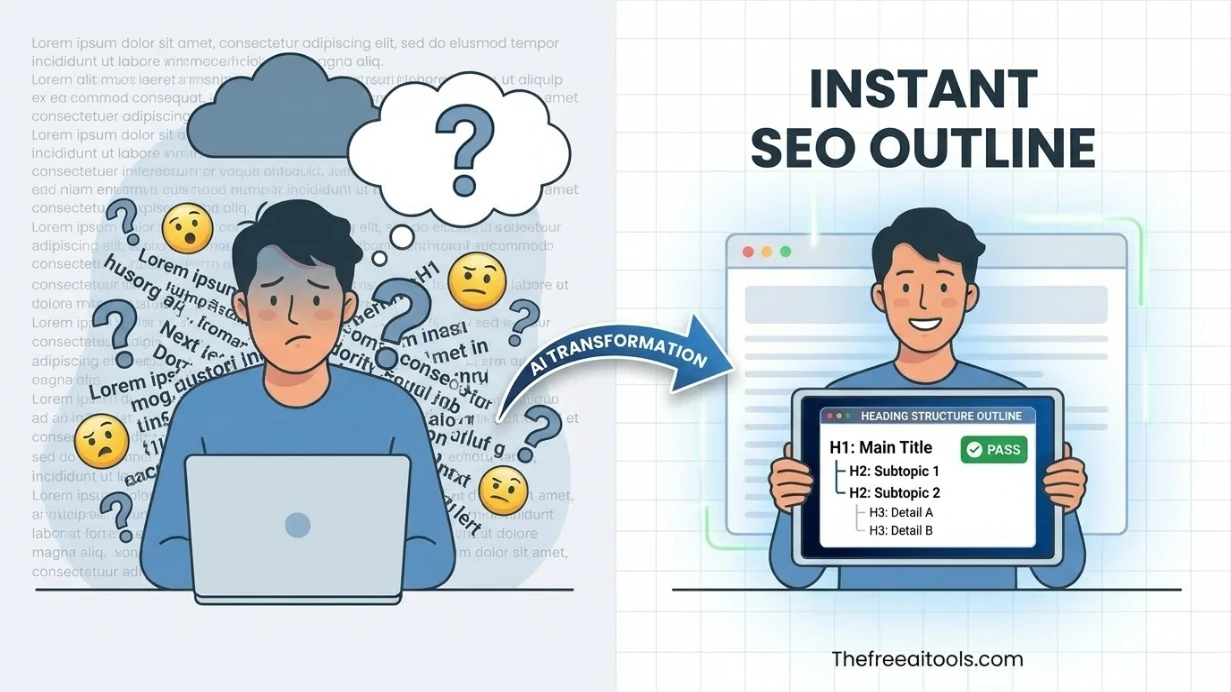
Audit pasted HTML for heading order, skipped levels, and document outline clarity — accessibility and SEO check.
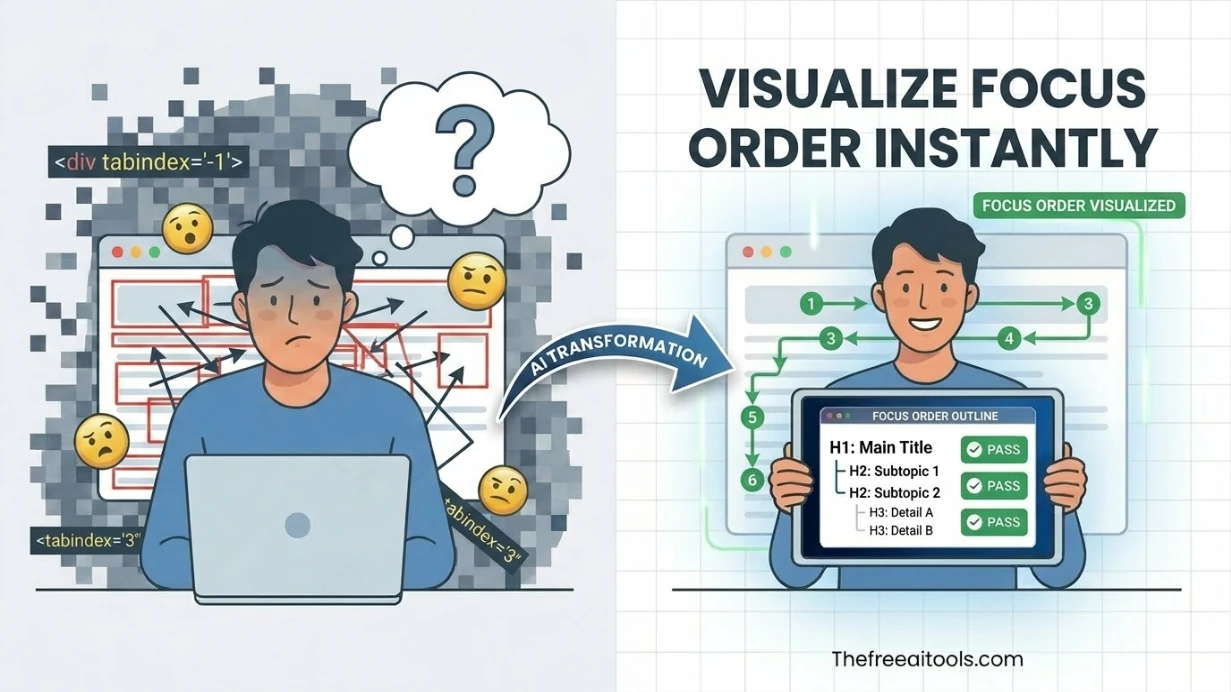
Review image alt text for length, clarity, duplication, and decorative-image handling. It helps content teams write accessible image descriptions without relying on AI or third-party APIs.

Generate valid JSON-LD for articles, organizations, products, FAQs, and local businesses with instant preview and rule checks. It helps SEO teams ship structured data faster without copy-pasting uncertain snippets.
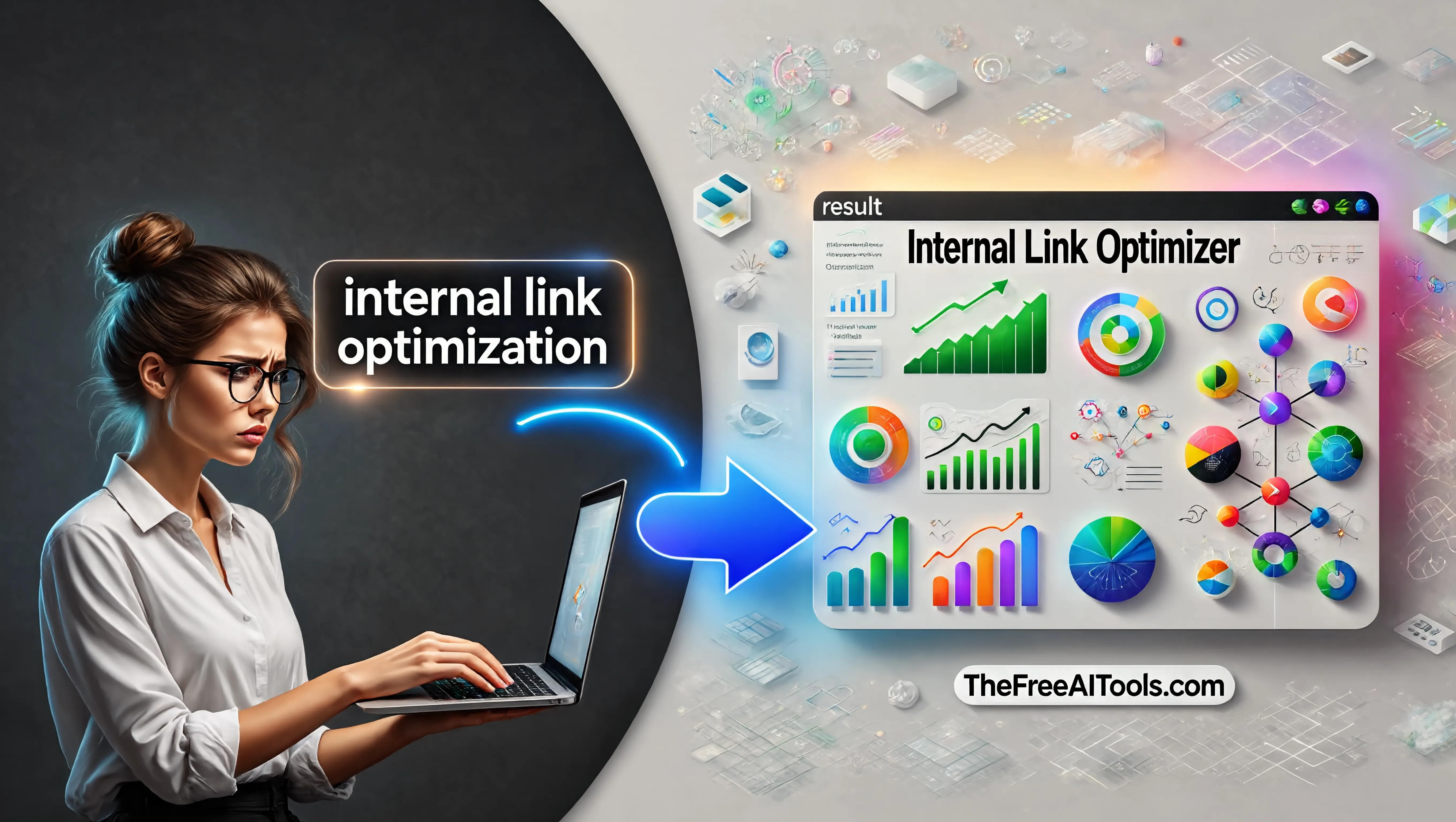
Turn pasted URL and link-export data into a visual internal-link graph to spot orphaned pages, weak clusters, and overlinked nodes. It helps SEO teams plan site structure without sending crawl exports to an outside tool.

Generate XML sitemaps from a list of URLs — set priorities, change frequencies, and download instantly.

Create robots.txt files for your website — control search engine crawlers, disallow paths, and set sitemaps.

Create canonical link tags for pages, product variants, and paginated URLs — prevent duplicate content issues.

Paraphrase and rewrite text using AI to sound natural, improve clarity, and bypass AI content detectors.

Clean and humanize AI-generated text to sound natural and help bypass AI detectors — powered by AI.
Detect robotic writing patterns and rewrite AI-generated text into a more natural, human-sounding draft — runs entirely in your browser.

Analyze text and estimate the likelihood it was generated by AI — detects ChatGPT, Claude, Gemini, and more using AI.

Create a visual SVG word cloud from any text input — great for content analysis, presentations, and data visualization.

Convert plain text to formatted PDF documents with customizable page size — free, no software required.

Create consistent UTM URLs, validate naming conventions, and catch messy campaign tagging before links go live. It helps marketing teams keep analytics cleaner across channels and stakeholders.

Check a list of URLs and mark timeout or fetch failures — find and fix 404 errors on your website.
Blogging remains one of the most powerful organic traffic channels in 2026, but the competitive landscape has shifted dramatically. AI-generated content has flooded every niche, which means that technical SEO correctness — metadata accuracy, readability optimization, heading structure, keyword distribution, and social preview quality — now separates blogs that rank from blogs that get buried. Bloggers who treat SEO as an afterthought are losing to bloggers who run a consistent pre-publish checklist on every post. The free tools in this hub are that checklist.
Keyword density is the on-page signal that most bloggers either ignore or mismanage. Publishing a 2,000-word post targeting a competitive keyword without checking whether that keyword actually appears at the right frequency is a common and easily avoidable mistake. The keyword density checker takes thirty seconds: paste the post content, confirm the primary keyword appears at 1-2%, check that semantically related terms are distributed naturally, and verify no competitor terms are accidentally dominating the density score. That check has a direct impact on how Google interprets what a post is about.
Social sharing is the distribution channel that generates backlinks, which remain the most powerful off-page ranking signal in 2026. A blog post with a compelling, correctly configured open graph image and title earns more social shares than one that displays a broken preview. The open graph preview and Twitter card validator on this hub take under a minute to check and fix — yet most bloggers skip them entirely. The difference in downstream sharing and linking behavior between a post with a good social preview and a broken one is measurable in referral traffic over weeks and months.
Internal linking is the highest-impact SEO improvement available to established blogs that requires no new content creation. Existing posts that are underperforming are frequently underperforming because they receive no internal link equity from other posts on the site. The internal link graph visualizer identifies exactly which posts are orphaned, which posts already have strong link equity that could be passed to weaker posts, and where topical clusters are incomplete. Fixing internal link structure takes an afternoon of editing and often produces ranking improvements within two to four weeks.
Quick answers about the workflow, privacy, and where this tool fits in a broader job.
The most-used free SEO tools among bloggers are keyword density checkers, SERP snippet previewers, readability analyzers, meta tag generators, and social preview tools. Together they cover the complete pre-publish SEO checklist for every blog post.
Run through this checklist using the tools on this hub: check keyword density is 1-2%, verify the title and meta description fit within display limits in the SERP preview, confirm heading structure is logical with one H1, check all images have appropriate alt text, and preview how the post will appear when shared on social media.
The readability score calculator is the best free option for bloggers because it scores content against multiple readability formulas simultaneously and highlights specific sentences that are reducing the score — so you know exactly what to fix.
Yes, but with a clear workflow. Use AI tools for drafting and structure, then run the output through the text cleaner, humanizer, and AI detector before publishing. Pair with the keyword density checker and readability tool to confirm the content meets technical SEO standards.
The internal link visualizer shows which blog posts link to which other posts, revealing orphan articles that receive no internal links and therefore struggle to rank. Adding internal links from high-performing posts to orphan posts is one of the fastest SEO improvements available to established blogs.
The complete toolkit
Every tool runs instantly in your browser — no account, no download, no cost. Across 13 categories for everyday tasks.