
Meta Tags Generator
Generate SEO-friendly meta tags including Open Graph, Twitter Card, and canonical tags — copy-ready HTML with live preview.
This hub gathers the best free browser-based on-page SEO tools for writers, editors, and SEO specialists in — covering metadata, keyword optimization, readability, heading structure, SERP appearance, and social preview — all no-signup, no install.
Updated · Reviewed by The Free AI Tools Editorial Team — On-page SEO optimization tools review
Generate SEO-friendly meta tags including Open Graph, Twitter Card, and canonical tags — copy-ready HTML with live preview.
Review meta descriptions for character length and snippet-friendly ranges — bulk SEO meta audit tool.

Preview title tags, URLs, and meta descriptions in a Google-style search result layout — SEO snippet tool.
Turn page titles into clean, readable, SEO-friendly URL slugs — remove stop words and special characters.
Analyze repeated phrases and top keywords inside any text block — optimize content for search rankings.

Estimate Flesch-Kincaid readability and sentence complexity from text — optimize content grade level instantly.
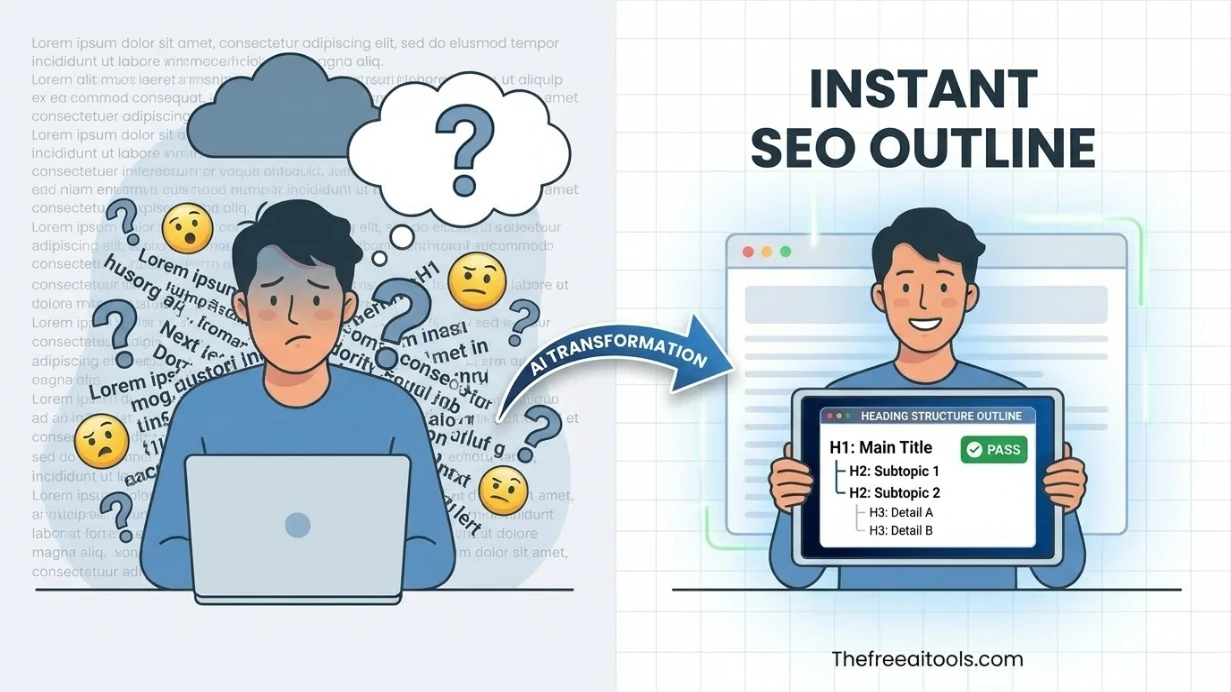
Audit pasted HTML for heading order, skipped levels, and document outline clarity — accessibility and SEO check.

Preview how Open Graph titles, descriptions, and images appear when shared on social media — OG tag tester.
Validate Twitter Card meta tags and preview card-style output — test X/Twitter link sharing appearance.

Generate valid JSON-LD for articles, organizations, products, FAQs, and local businesses with instant preview and rule checks. It helps SEO teams ship structured data faster without copy-pasting uncertain snippets.

Create canonical link tags for pages, product variants, and paginated URLs — prevent duplicate content issues.
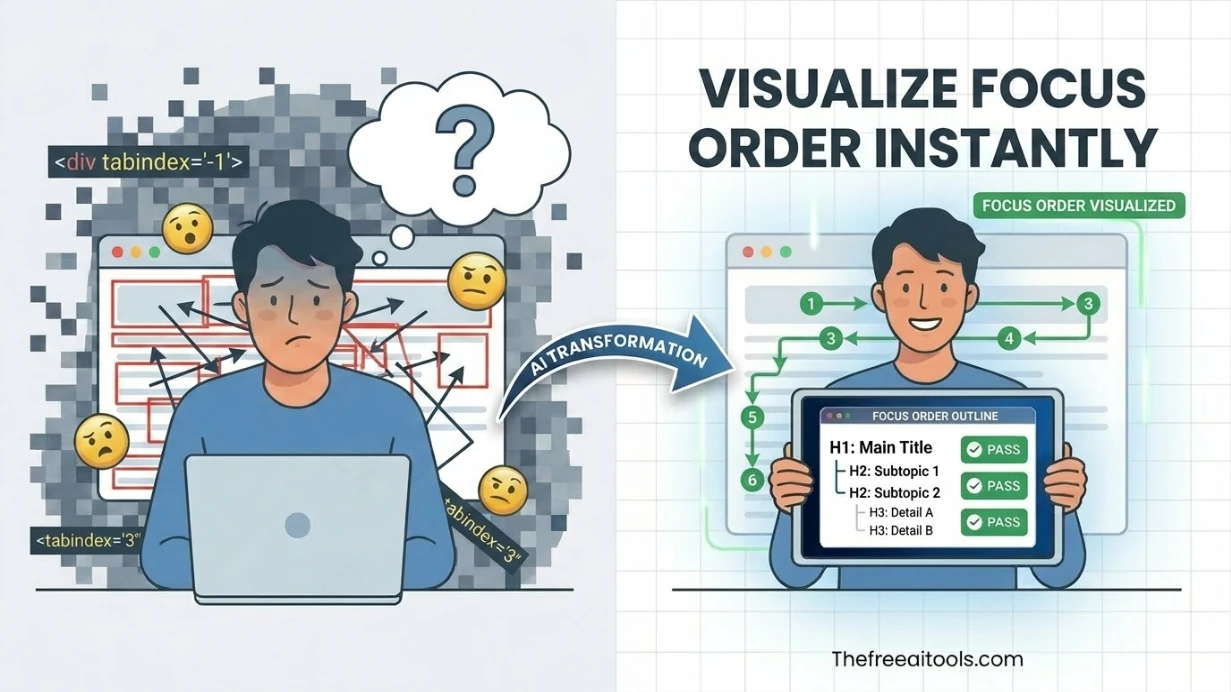
Review image alt text for length, clarity, duplication, and decorative-image handling. It helps content teams write accessible image descriptions without relying on AI or third-party APIs.

Count words, characters, sentences, and estimate reading time — with keyword density analysis.

Inspect pasted HTML for title, description, canonical, and social tags — audit any page's SEO meta structure.
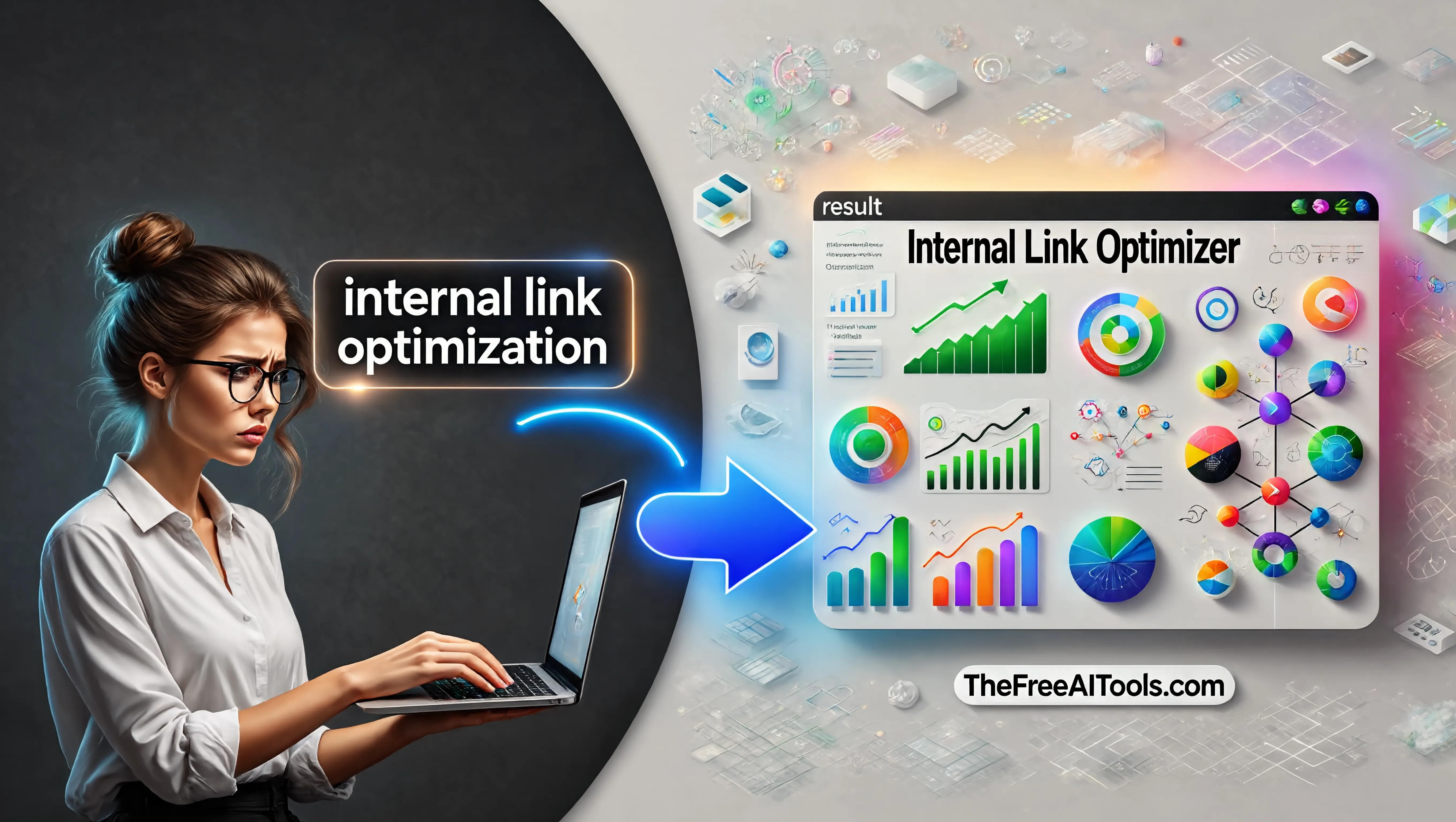
Turn pasted URL and link-export data into a visual internal-link graph to spot orphaned pages, weak clusters, and overlinked nodes. It helps SEO teams plan site structure without sending crawl exports to an outside tool.

Create consistent UTM URLs, validate naming conventions, and catch messy campaign tagging before links go live. It helps marketing teams keep analytics cleaner across channels and stakeholders.

Clean and humanize AI-generated text to sound natural and help bypass AI detectors — powered by AI.

Paraphrase and rewrite text using AI to sound natural, improve clarity, and bypass AI content detectors.
Detect robotic writing patterns and rewrite AI-generated text into a more natural, human-sounding draft — runs entirely in your browser.

Create a visual SVG word cloud from any text input — great for content analysis, presentations, and data visualization.

Extract a color palette from pasted CSS or HTML color values — build brand color systems instantly.
On-page SEO is the optimization layer that every piece of published content passes through before it earns rankings. It is the difference between a well-written article that Google understands perfectly and ranks consistently, and an equally well-written article that Google misclassifies, undervalues, or simply ignores. The free tools in this hub cover every on-page checkpoint systematically: from the title tag down to the alt text on the last image, every element that affects how a search engine reads and ranks a page.
Metadata quality remains the highest-leverage on-page SEO investment per minute spent. A title tag that accurately reflects content, contains the primary keyword near the front, and fits within Google's display limit drives more organic traffic than almost any other single optimization. Yet most published pages have title tags written in sixty seconds and never reviewed again. The meta description length checker and SERP snippet preview together make it fast to get metadata right — not just technically correct, but compelling enough to earn the click when it appears in search results.
Readability is increasingly a direct ranking factor in 2026 rather than just a user experience consideration. Google's quality rater guidelines specifically evaluate content comprehension and expertise, and content that is difficult to read scores lower on both dimensions. The readability score calculator identifies the specific sentences pushing grade level above target thresholds — usually overly long compound sentences or unnecessary technical vocabulary — so writers can fix the exact problem rather than guessing at improvements.
Social preview optimization is the on-page SEO task most consistently skipped by content teams in 2026. Open Graph and Twitter Card tags control how your content appears when shared on social platforms — the image, title, and description that users see in their feeds before clicking. A page with correct social preview tags gets shared more effectively, which generates more backlinks and social signals, which feeds back into search rankings. The open graph preview and Twitter card validator on this hub make this check a two-minute task at the end of every publishing workflow.
Quick answers about the workflow, privacy, and where this tool fits in a broader job.
On-page SEO covers all the optimizations made directly on a webpage to improve its search ranking: title tags, meta descriptions, heading structure, keyword placement, content readability, image alt text, internal linking, canonical tags, schema markup, and social sharing previews.
Google typically displays 50-60 characters before truncating a title tag in search results. The meta description length checker and SERP snippet preview on this hub show exactly where truncation occurs for your specific title so you can adjust before publishing.
The slug optimizer removes stop words, suggests keyword-focused alternatives, and enforces URL best practices — lowercase letters, hyphens instead of underscores, no special characters. A clean keyword-rich slug is a direct on-page ranking signal.
Heading tags (H1-H6) communicate content hierarchy to both users and search engines. A single H1 per page, logical H2-H3 nesting, and keyword-relevant headings improve both crawlability and user experience. The heading structure analyzer visualizes this hierarchy so you can fix issues before publishing.
Use the keyword density checker to confirm your primary keyword appears at 1-2% density and that semantically related terms are distributed throughout the content. Over-optimization above 3% can trigger keyword stuffing penalties.
The complete toolkit
Every tool runs instantly in your browser — no account, no download, no cost. Across 13 categories for everyday tasks.