Keyword Density Checker
Analyze repeated phrases and top keywords inside any text block — optimize content for search rankings.
This hub collects the best free browser-based keyword research and analysis tools in — covering keyword density analysis, SERP appearance for target keywords, content optimization for keyword relevance, and AI-assisted keyword targeting — all zero signup.
Updated · Reviewed by The Free AI Tools Editorial Team — Keyword research and content optimization tools review
Analyze repeated phrases and top keywords inside any text block — optimize content for search rankings.

Preview title tags, URLs, and meta descriptions in a Google-style search result layout — SEO snippet tool.
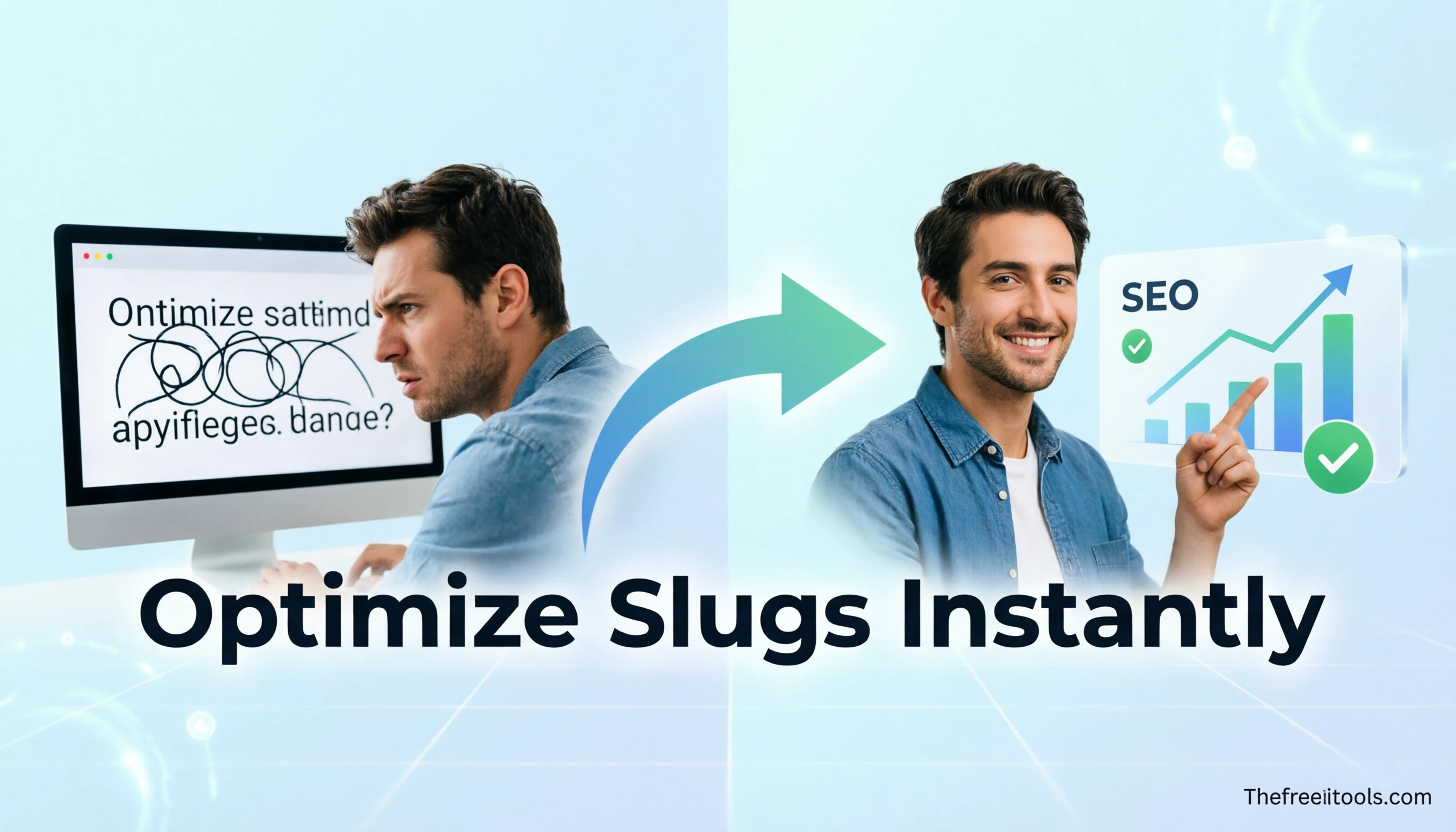
Turn page titles into clean, readable, SEO-friendly URL slugs — remove stop words and special characters.

Generate SEO-friendly meta tags including Open Graph, Twitter Card, and canonical tags — copy-ready HTML with live preview.
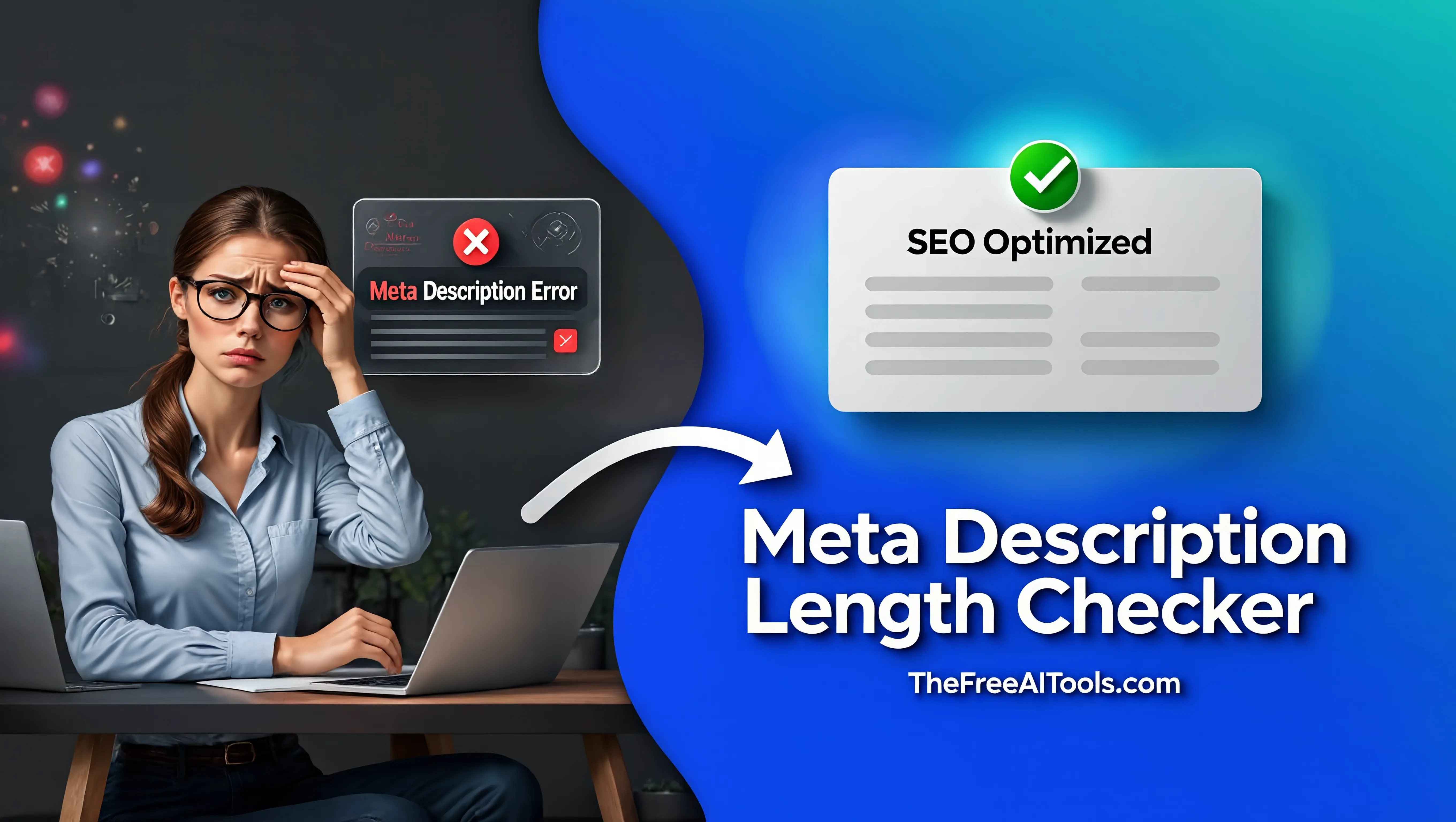
Review meta descriptions for character length and snippet-friendly ranges — bulk SEO meta audit tool.

Estimate Flesch-Kincaid readability and sentence complexity from text — optimize content grade level instantly.

Create a visual SVG word cloud from any text input — great for content analysis, presentations, and data visualization.

Count words, characters, sentences, and estimate reading time — with keyword density analysis.
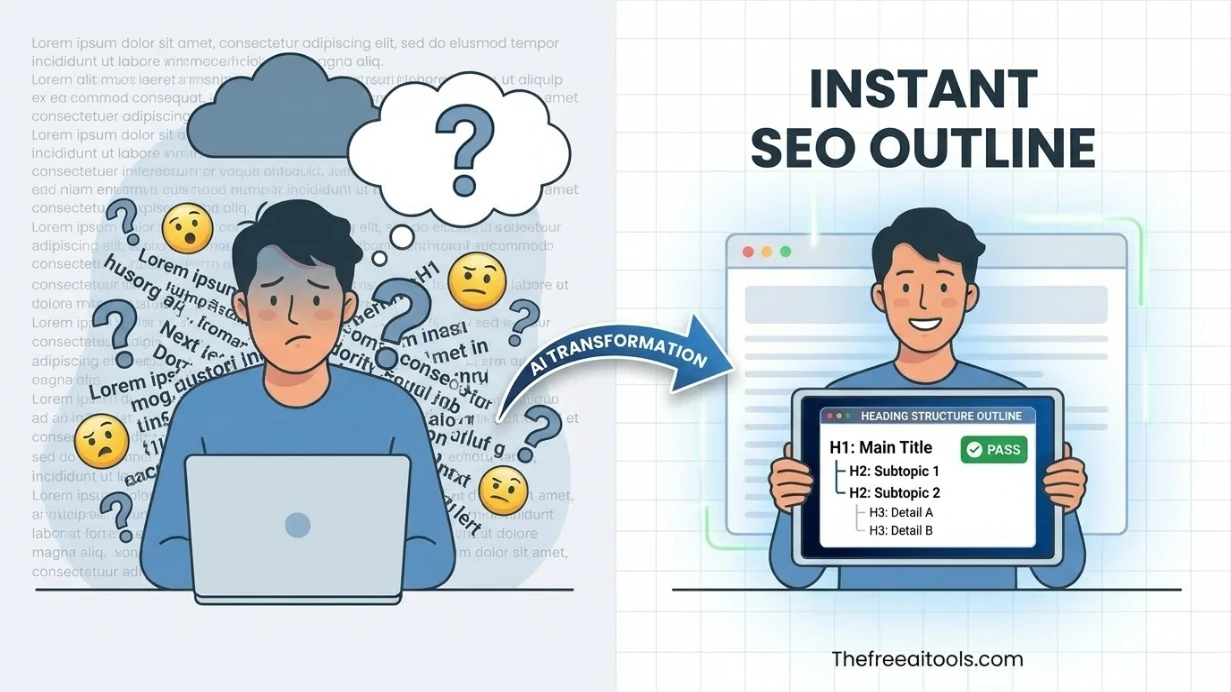
Audit pasted HTML for heading order, skipped levels, and document outline clarity — accessibility and SEO check.

Inspect pasted HTML for title, description, canonical, and social tags — audit any page's SEO meta structure.

Generate valid JSON-LD for articles, organizations, products, FAQs, and local businesses with instant preview and rule checks. It helps SEO teams ship structured data faster without copy-pasting uncertain snippets.

Preview how Open Graph titles, descriptions, and images appear when shared on social media — OG tag tester.
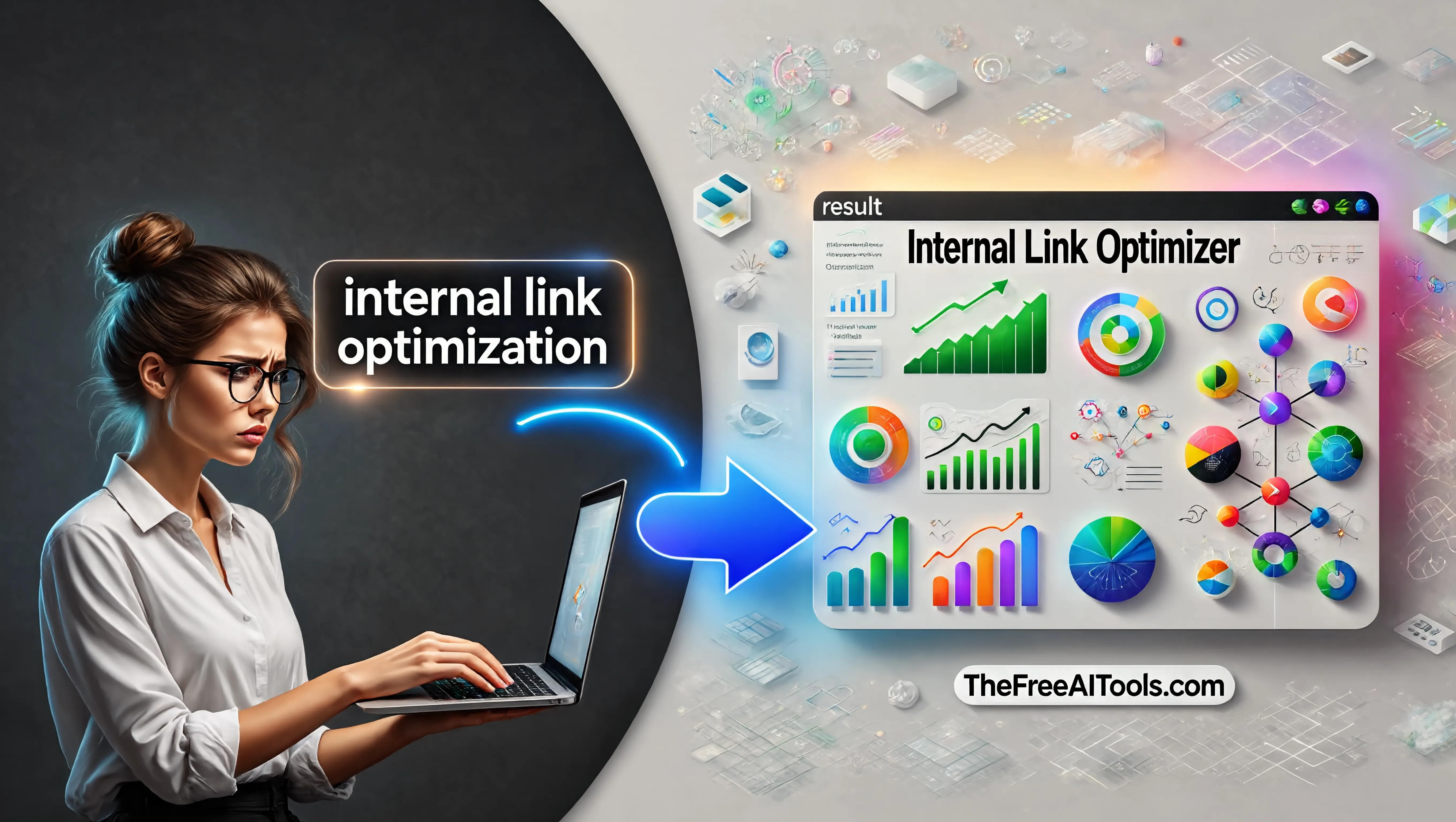
Turn pasted URL and link-export data into a visual internal-link graph to spot orphaned pages, weak clusters, and overlinked nodes. It helps SEO teams plan site structure without sending crawl exports to an outside tool.

Assign sitemap priorities and change frequencies to a URL inventory — generate XML sitemap attributes.

Create canonical link tags for pages, product variants, and paginated URLs — prevent duplicate content issues.

Paraphrase and rewrite text using AI to sound natural, improve clarity, and bypass AI content detectors.
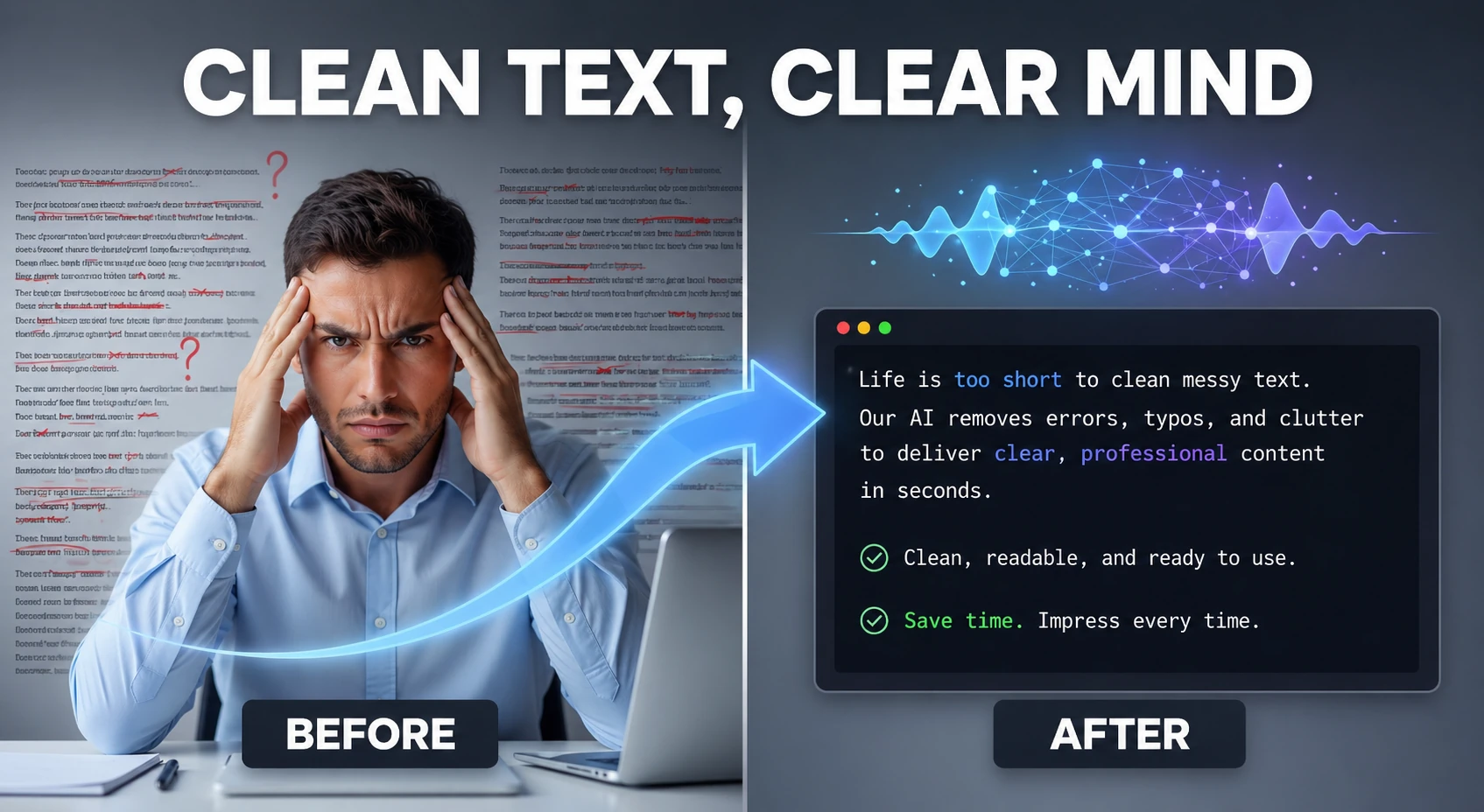
Clean and humanize AI-generated text to sound natural and help bypass AI detectors — powered by AI.

Detect robotic writing patterns and rewrite AI-generated text into a more natural, human-sounding draft — runs entirely in your browser.

Turn simple ideas into highly detailed, optimized prompts for Midjourney, ChatGPT, Stable Diffusion, Claude, and DALL-E using AI.
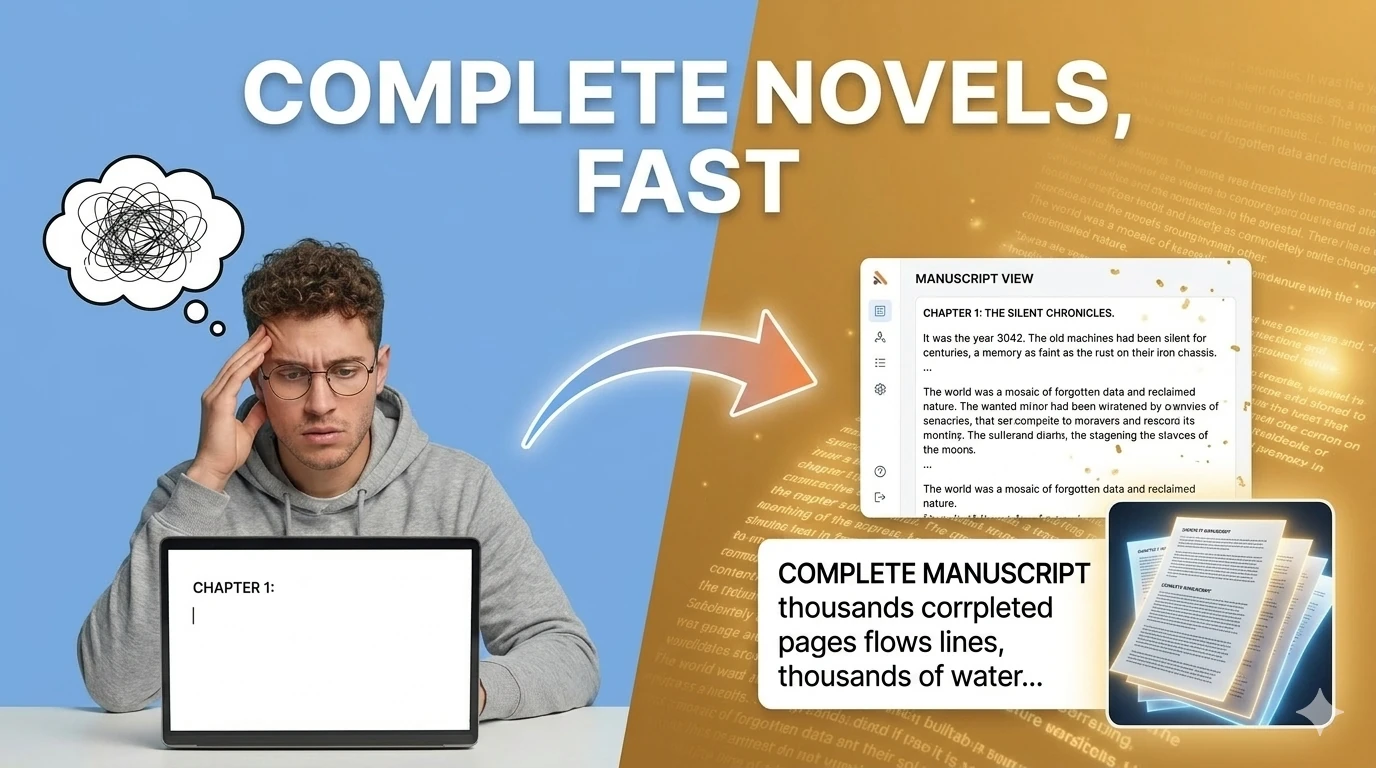
Generate captivating short stories, novel chapters, and fanfiction using AI — choose genre and let AI write the rest.

Analyze text and estimate the likelihood it was generated by AI — detects ChatGPT, Claude, Gemini, and more using AI.
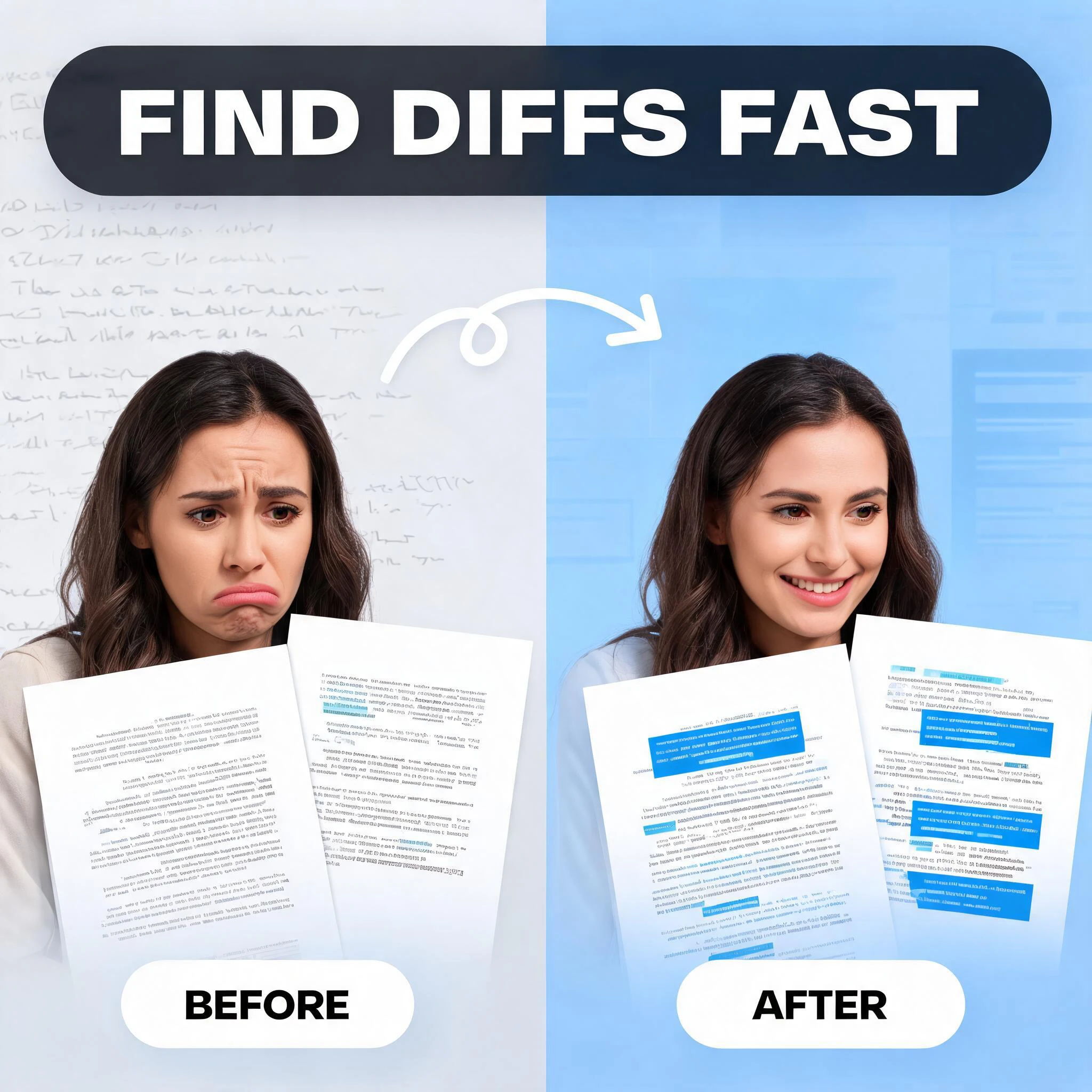
Compare two blocks of text and highlight additions and removals — visualize code and content changes instantly.

Create consistent UTM URLs, validate naming conventions, and catch messy campaign tagging before links go live. It helps marketing teams keep analytics cleaner across channels and stakeholders.

Create robots.txt files for your website — control search engine crawlers, disallow paths, and set sitemaps.

Generate XML sitemaps from a list of URLs — set priorities, change frequencies, and download instantly.
Keyword research in 2026 has split into two distinct disciplines: keyword discovery (finding which terms to target, using volume and competition data) and keyword optimization (ensuring your content correctly signals relevance for the terms you have chosen). Expensive keyword platforms like Ahrefs and Semrush excel at discovery. The free tools in this hub address optimization — the implementation side of keyword strategy that transforms keyword research into actual rankings. Both disciplines are necessary; this hub fills the gap that free tools have historically left unaddressed.
Keyword density analysis is the most actionable keyword optimization tool available without a paid subscription. A page that targets 'best email marketing tools' but mentions that phrase only once in 2,000 words is sending a weak topical relevance signal to Google. A page that mentions it fifteen times is sending an over-optimization signal. The keyword density checker identifies which keywords appear at what frequencies across your content, enabling precise optimization adjustments before publishing — a five-minute check that directly affects how Google classifies and ranks the page.
SERP snippet preview is the keyword tool that most content creators overlook. Before publishing a page targeting a specific keyword, confirming that the keyword appears in the title tag and meta description — and that both fit within Google's display limits — is a critical optimization step. A title truncated before the target keyword loses the primary click-through rate benefit of correct keyword placement. The SERP snippet preview shows exactly how your keyword-optimized title will display in Google search results before the page is ever indexed.
The word cloud generator provides a visual keyword analysis technique that is particularly useful for content gap identification. By pasting top-ranking competitor content into the word cloud generator, you can immediately see which related terms and concepts appear prominently in high-ranking pages that may be absent from your own content. A word cloud that shows 'email automation', 'drip campaigns', and 'segmentation' dominating a top-ranking page for 'email marketing tools' signals that your content needs to cover these related topics to compete for the same keyword cluster.
Quick answers about the workflow, privacy, and where this tool fits in a broader job.
The keyword tools in this hub focus on on-page keyword analysis rather than search volume databases. The keyword density checker shows which terms dominate existing content, the word cloud generator visualizes keyword distribution, the SERP snippet preview shows how a keyword-optimized title appears in Google, and the slug optimizer ensures URLs reflect target keywords correctly.
Paste your full article text into the keyword density checker, identify your target keyword in the results, and confirm it appears at 1-2% density. If it is below 1%, add the keyword naturally to headings, the introduction, and body paragraphs. If it is above 3%, remove redundant occurrences to avoid over-optimization penalties.
Yes. Pasting a competitor's top-ranking page content into the word cloud generator reveals the keywords and topics that dominate their content — showing you which terms a high-ranking page is built around, which you can incorporate into your own content strategy.
Paid keyword tools provide search volume data, competition scores, and trend history. The free tools in this hub provide on-page keyword optimization — checking whether your content correctly targets the keywords you have chosen. Both are useful: use paid tools for keyword discovery, then use these free tools to implement and optimize for your chosen terms.
The AI paraphrasing tool naturally varies keyword expression throughout content — a critical technique for avoiding over-optimization while maintaining topical relevance. The AI prompt generator produces keyword-specific content briefs. The text cleaner removes over-optimized patterns that can trigger keyword stuffing penalties.
The complete toolkit
Every tool runs instantly in your browser — no account, no download, no cost. Across 13 categories for everyday tasks.